
Action
Adventure
Animation
Comedy
Crime
Documentary
Drama
Family
Fantasy
History
Horror
Music
Mystery
Romance
Science Fiction
Thriller
War
Western
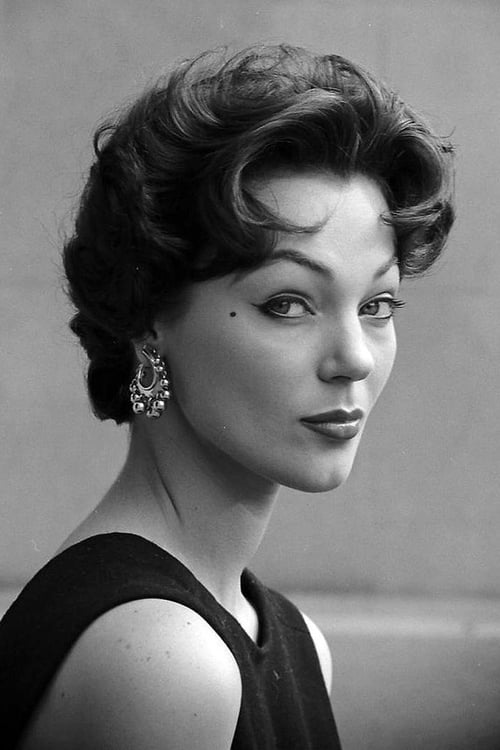
Ivy Nicholson was born Irene Nicholson in Queens, New York to working class Irish Catholic parents. She started modeling at the age of 16, and became very successful, gracing the covers of Vogue and Elle. In those days there was not much in the way of work for older models, so when she turned 30, Ivy sought out acting roles, eventually landing in Andy Warhol's Factory.
Explore all movies appearances
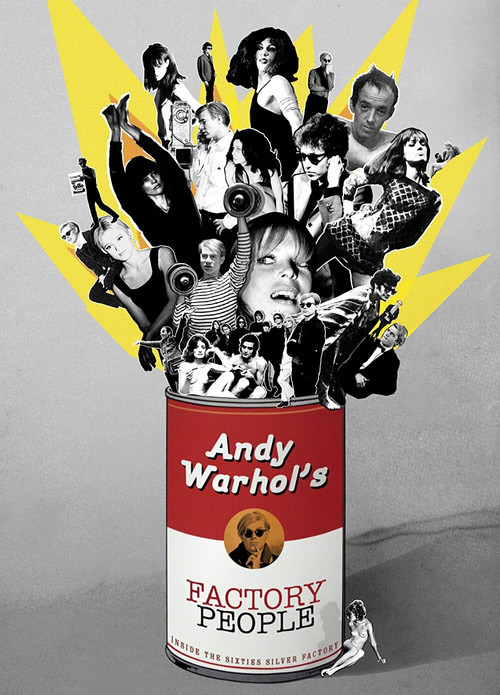
Takes an in-depth look at the lives and times of the people who hung out with Andy Warhol and "worked" at the Silver Factory during the Sixties, making it all click as a new counter-culture arose and began to exert its influence throughout the arts.
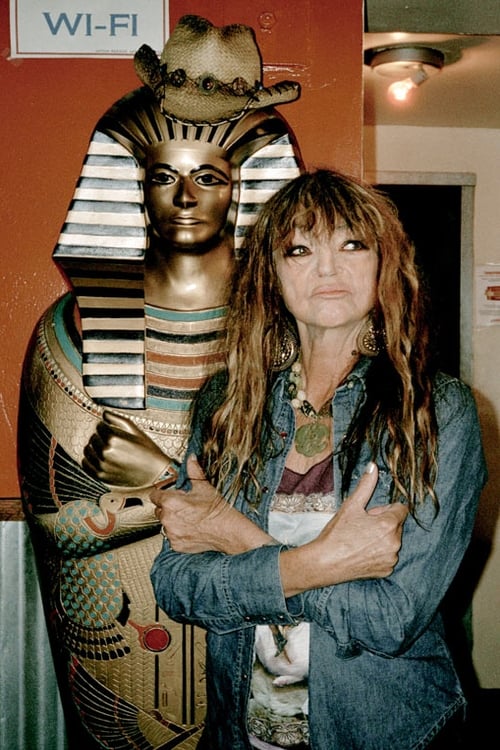
Former Andy Warhol star Ivy Nicholson make an exclusive statement about life on stage and in the gutter.
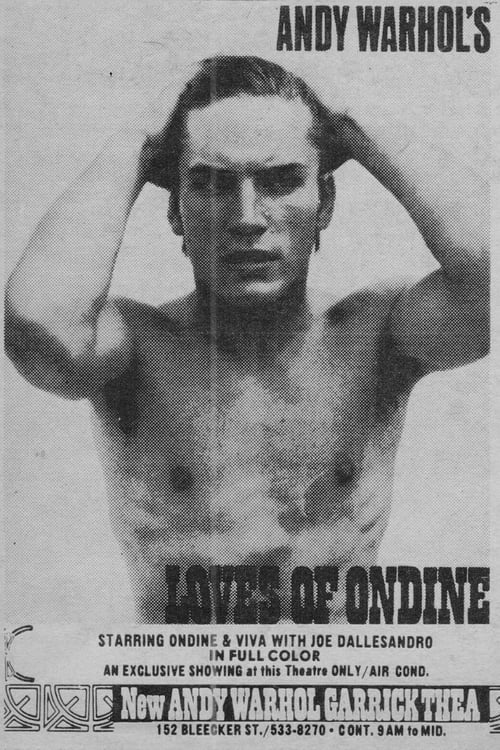
Ondine is a gay man attempting to re-adjust his sexuality via various encounters with different women. After trying his luck with three women, Ondine becomes a background character in a sequence in which a group of Latin American men, calling themselves The Bananas, engage in a food fight. Ondine then engages in a wrestling match with Joe Dallesandro, who is married to Brigid Berlin.

Morrissey and Warhol's commercial take on the Swedish film I, A Woman. Somebody suggested to Warhol that they wanted a sexploitation film in the vein of I, A Woman, and so he and Morrissey concocted I, A Man. They created the story of this male hustler who talks with and sleeps with a series of women over the course of the film. The women are: a young woman who worries about parental acceptance of her sexuality, a woman who is on a couch, a woman with whom he does a seance, a woman who speaks French, a lesbian, and a married woman.
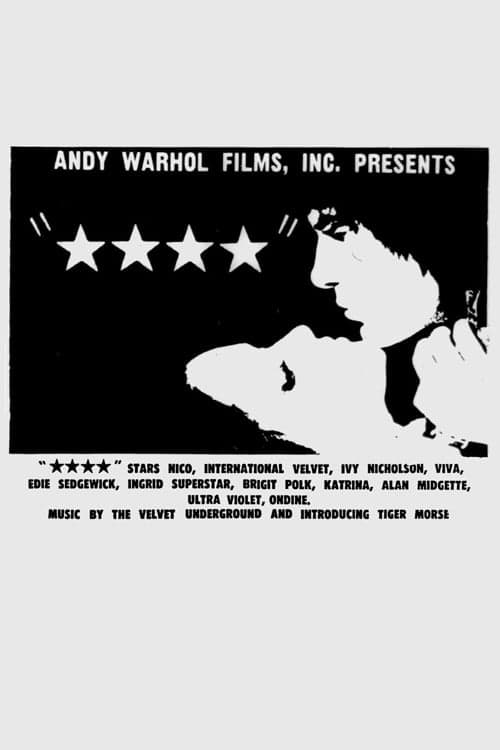
Photographed entirely in color, Four Stars was projected in its complete length of nearly 25 hours (allowing for projection overlap of the 35-minute reels) only once, at the Film-Makers' Cinematheque in New York City. The imagery in the film is dense, wearying and beautiful, but ultimately hard to decipher, for, in contrast to his earlier, and more famous film Chelsea Girls, made in 1966, Warhol insisted that two reels be screened simultaneously on top of each other on a single screen, rather than side-by-side. The film's title is a pun on the rating system used by critics to rank films, with "four stars" being the highest rating. From Wikipedia.

In 1964 Film Culture magazine chose Andy Warhol for its annual Independent Film award. The plan was to show some of Andy's films and have Andy come on stage and hand him the award. Andy said, no, he didn't want a public presentation.

The films were made between 1964 and 1966 at Warhol's Factory studio in New York City. Subjects were captured in stark relief by a strong key light, and filmed by Warhol with his stationary 16mm Bolex camera on silent, black and white, 100-foot rolls of film at 24 frames per second. The resulting two-and-a-half-minute film reels were then screened in 'slow motion' at 16 frames per second.
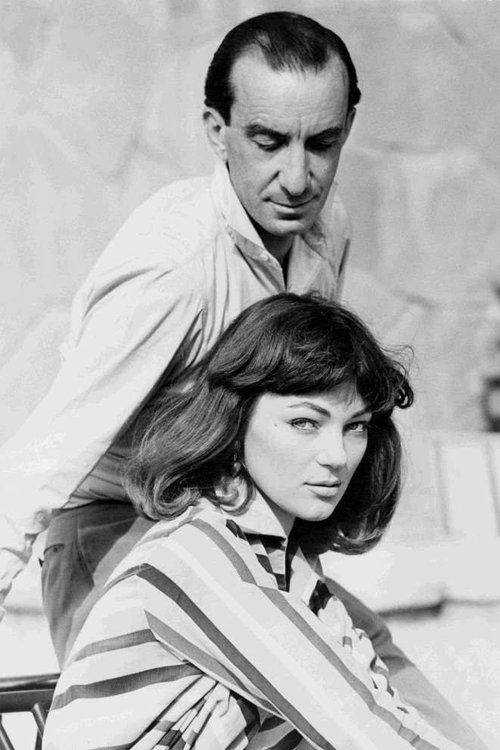
A stationary shot of John Palmer and Ivy Nicholson in this tiny apartment.
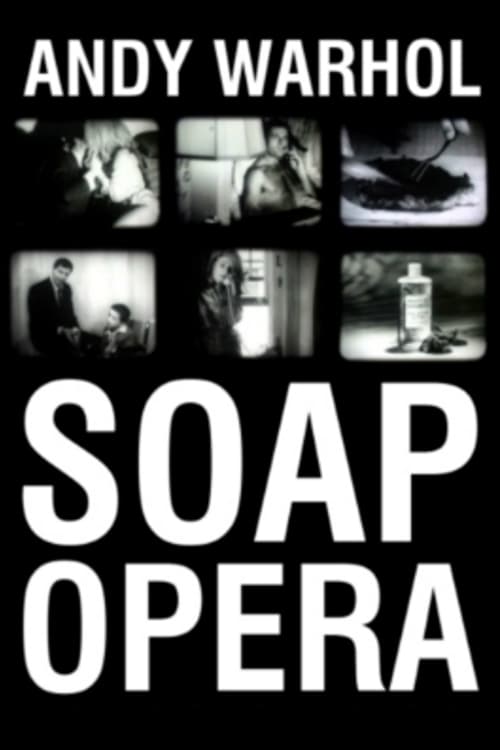
Soap Opera, starring Baby Jane Holzer and Lester Persky, among Factory regulars, intercuts television commercials of its day with silent domestic scenes shot by Warhol.
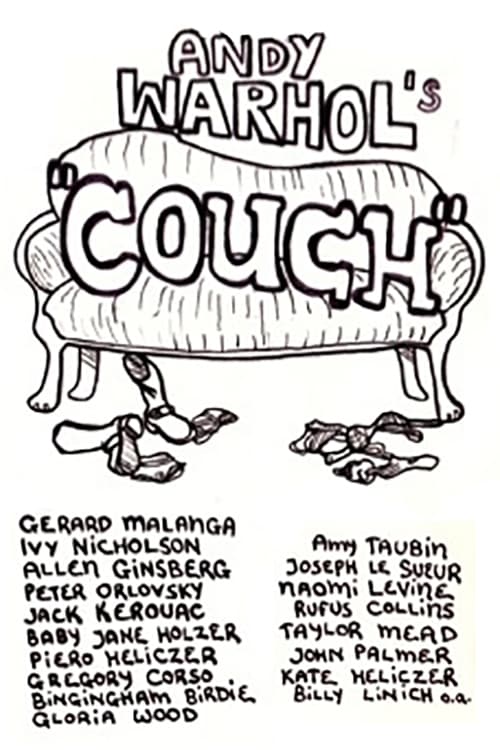
The couch at Andy Warhol's Factory was as famous in its own right as any of his Superstars. In Couch, visitors to the Factory were invited to "perform" on camera, seated on the old couch. Their many acts-both lascivious and mundane-are documented in a film that has come to be regarded as one of the most notorious of Warhol's early works. Across the course of the film we encounter such figures as poets Allen Ginsberg and Gregory Corso, the writer Jack Kerouac, and perennial New York figure Taylor Mead.
Subscribe for exclusive insights on movies, TV shows, and games! Get top picks, fascinating facts, in-depth analysis, and more delivered straight to your inbox.