
Action
Adventure
Animation
Comedy
Crime
Documentary
Drama
Family
Fantasy
History
Horror
Music
Mystery
Romance
Science Fiction
Thriller
War
Western
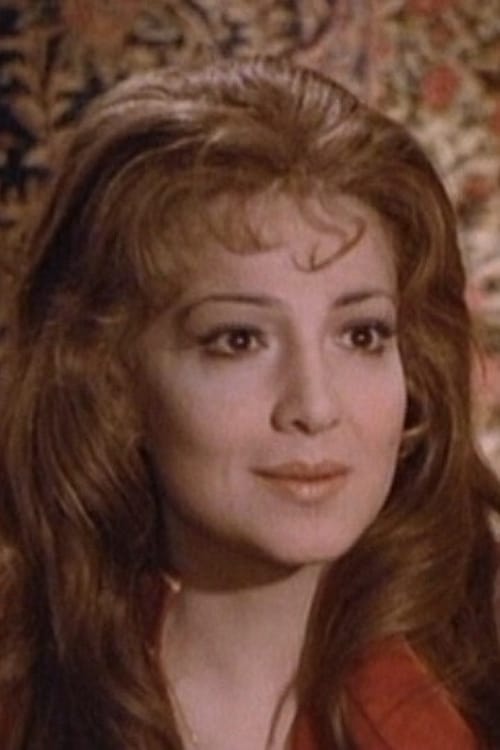
Teresa Stratas, born in Toronto's Cabbagetown, started her musical journey singing Greek songs in her parents' restaurant. Her talent led to radio performances and a Royal Conservatory scholarship. At 20, she debuted in La Bohème at the Toronto Opera Festival and became a renowned figure at the Metropolitan Opera, captivating audiences globally. Notably, she made history performing dual lead sopra...
Explore all movies appearances
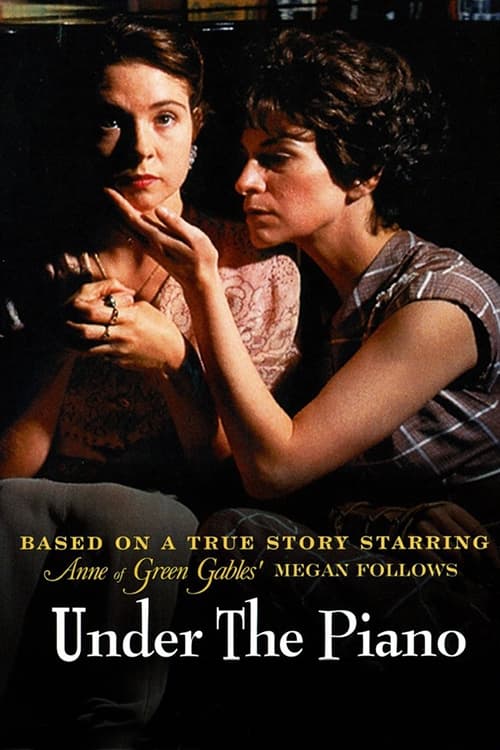
An autistic child growing up in the 1940's and 50's with a mother who is bitter because her fear of success has denied to herself a possible career in opera. This anger translates into an over-protectiveness of her mentally ill daughter, even into the child's adulthood. But a loving sister, herself having an arm that is paralyzed, is a bastion against the limitations imposed by the mother and finally helps her sister to live a more full life.
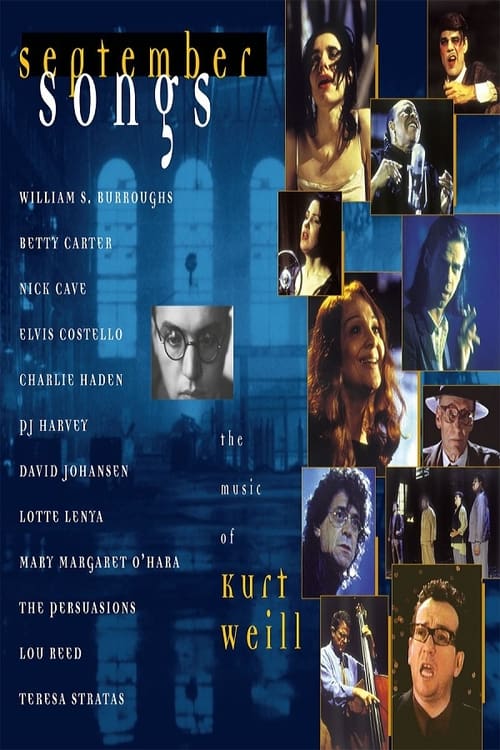
Filmmaker Larry Weinstein stages a wide range of performances in tribute to the compositions of Kurt Weill.

Puccini's Il Tabarro & Leoncavallo's Pagliacci; Pavarotti and Domingo star in MET 1994-1995 season opener.
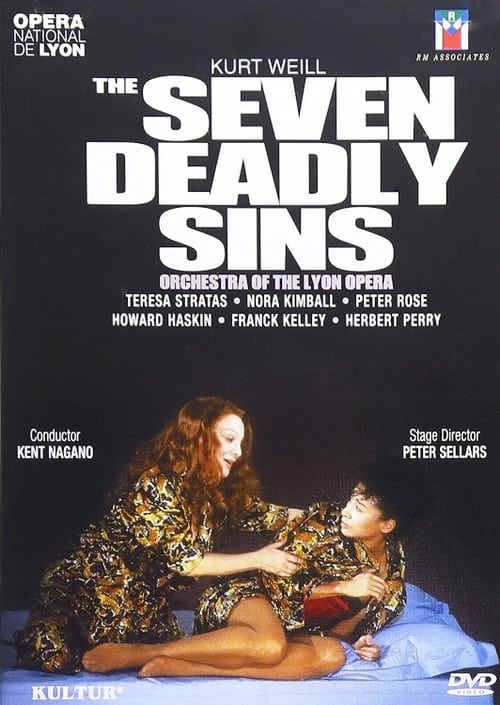
No plot available for this movie.
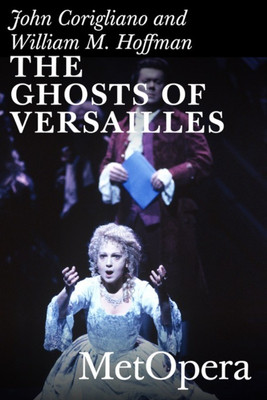
What happened to Figaro and his friends after the events told in Rossini’s and Mozart’s operas? One possible sequel is told in John Corigliano’s “grand opera buffa” The Ghosts of Versailles—an uproariously funny and deeply moving work inspired by Beaumarchais’s third Figaro play, La Mère Coupable, and commissioned by the Met to celebrate its 100th anniversary. This telecast captures its world premiere run, conducted by James Levine. Håkan Hagegård is Beaumarchais, Figaro’s creator, who is deeply in love with Marie Antoinette (Teresa Stratas in a heart-searing performance) and determined to rewrite history and save her from the guillotine. A young Renée Fleming, at the beginning of her international career, sings the unfaithful Rosina. Gino Quilico is the wily Figaro who tries to take matters in his own hands, and Marilyn Horne stops the show as the exotic entertainer Samira.
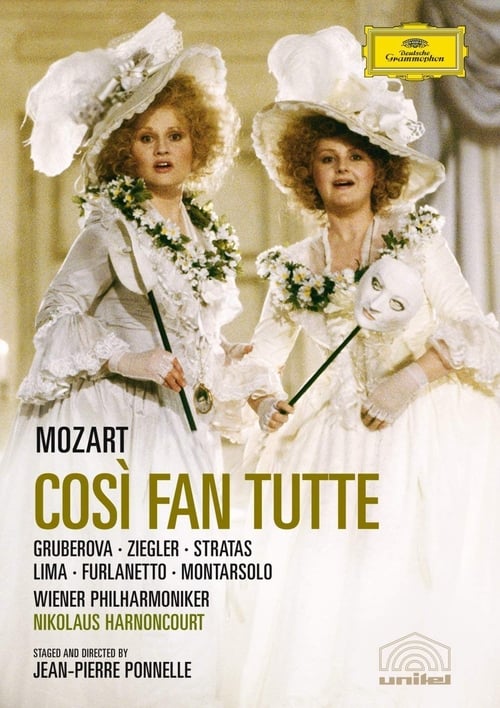
Nikolaus Harnoncourt conducts the Wiener Philharmoniker in this filmed studio performance of Mozart's opera recorded in 1988.

The story is set in southern Italy and recounts the tragedy of Canio, the lead clown (or pagliaccio in Italian) in a commedia dell'arte troupe, his wife Nedda, and her lover, Silvio. When Nedda spurns the advances of Tonio, another player in the troupe, he tells Canio about Nedda's betrayal. In a jealous rage Canio murders both Nedda and Silvio. Although Leoncavallo's opera was originally set in the late 1860's, Zeffirelli's production is updated to the period between World War I and World War II.
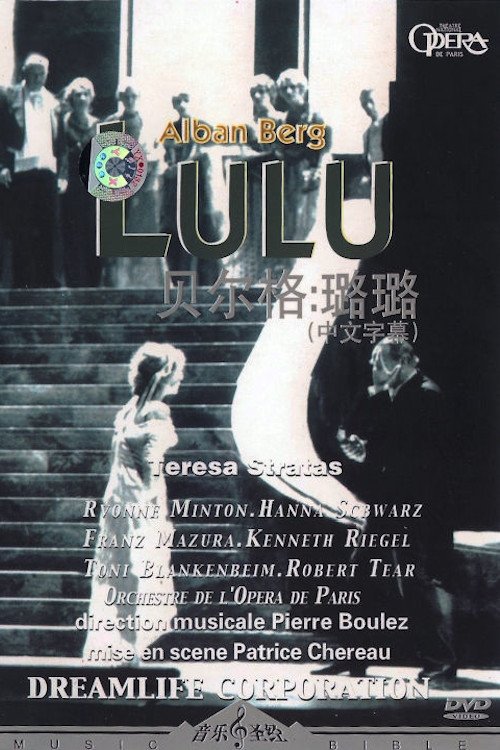
No plot available for this movie.
Documentary about the life of opera singer Teresa Stratas
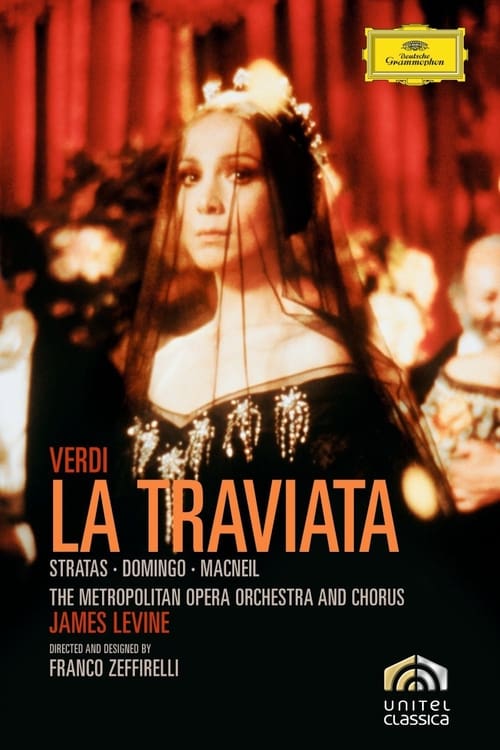
This “Traviata” became one of the most succesful of all opera films, especially in France, where 800,000 Parisian cinemagoers flocked to it in the first six week. It was nominated for two Oscars (for production and costume design) and won BAFTAs in those two categories, as well as receiving BAFTA and Golden Globe nominations as 1983’s Best Foreign-Language Film.
Subscribe for exclusive insights on movies, TV shows, and games! Get top picks, fascinating facts, in-depth analysis, and more delivered straight to your inbox.