
Action
Adventure
Animation
Comedy
Crime
Documentary
Drama
Family
Fantasy
History
Horror
Music
Mystery
Romance
Science Fiction
Thriller
War
Western
Explore all movies appearances
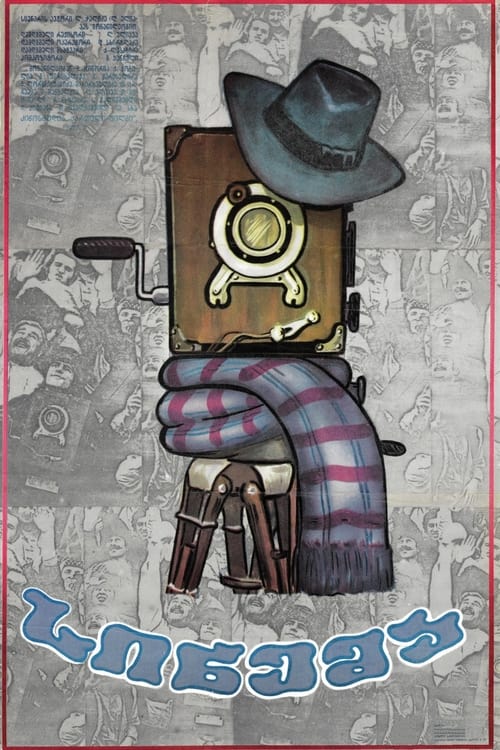
At the end of the 20th century, the son of a distinguished family, Sosiko Cholokashvili, became interested in cinematography, a field unknown to the public. Despite his inexperience, financial difficulties, and disappointment, one of the first enthusiasts of Georgian cinema recorded many shots depicting the appearance and existence of old Tbilisi on tape.

Loosely based on Aleksandr Kuprin's short story "The White Poodle".
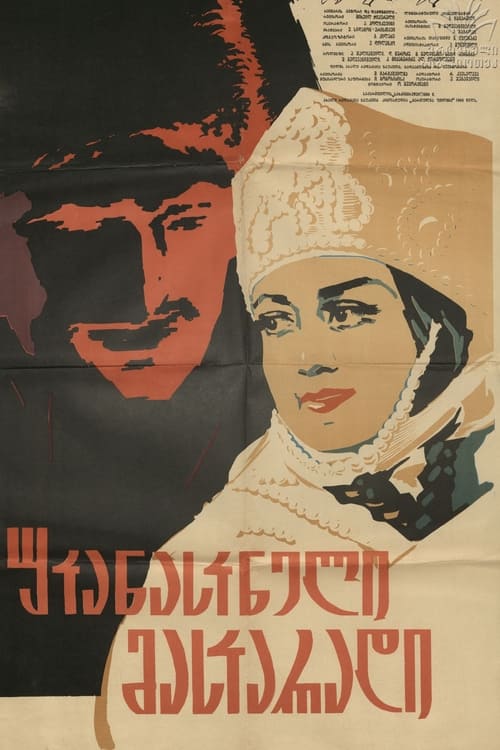
The revolutionary struggle of the Georgian proletariat is the central theme of this story. The narrative follows the life and fate of a young revolutionary named Mito. After the Mensheviks disrupt a railway strike, Mito is sentenced to three years in prison, and his father is executed. During his time in prison, Mito shares a cell with an old Bolshevik, which transforms the hot-headed and unstable young man into a conscious Bolshevik. Soon, World War I begins, and Mito, who has just been released from prison, is sent to war.
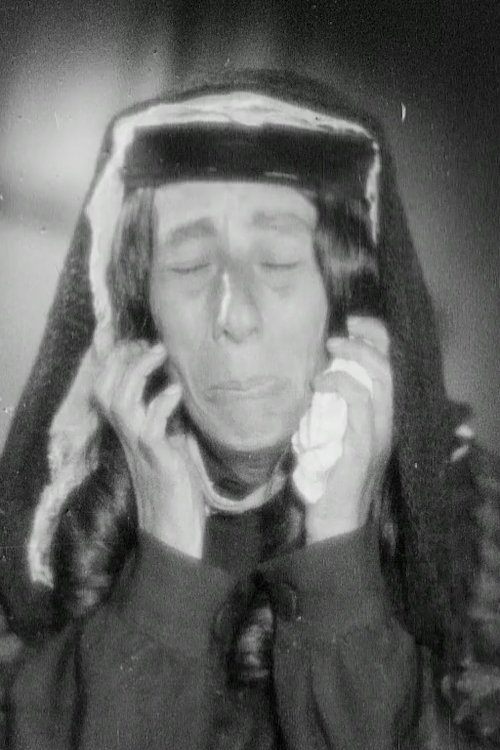
When the communists decide to renovate the city and try to demolish a badly positioned church, the religious citizens decide to fight for what is holy to them.

Banned in the Soviet Union for its "negative" content and never released, Kalatozov was forced to retreat from filmmaking for seven years because of this film. The film sets out to illustrate the old adage, "For want of a nail, the battle was lost," showing how the inferior quality of something so trivial as a nail in a soldier's boot leads inexorably to the capture of an armored train. Kalatozov had intended to demonstrate the crucial and universal importance of efficiency in Soviet industry, but the government decided that his fable gave a negative impression of the Red Army's capabilities.

The film is dedicated to eradicating illiteracy in rural areas. Urban pioneers teach rural people to read and write.

Agricultural machinery is being unloaded from a ship at the Batumi port. The chairman of the collective farm asks the loaders to unload them first, due to the need to carry out work in the countryside on time. The loaders demand additional pay. Angered by the behavior of their senior comrades, the Komsomol members, led by Beso, unload the machinery themselves. After that, the old loader, Sergo, becomes angry with Beso. His daughter Kato marries Beso against her father's will. But Beso, like Sergo, forbids Kato from getting involved in public life. He only wants his wife as a domestic servant. Kato returns to his father with his son. Meanwhile, there are changes at the port. Due to mechanization, the loaders' work is significantly lighter. Sergo reconciles with Beso. The young people also reconcile. Kato starts working at a public canteen.
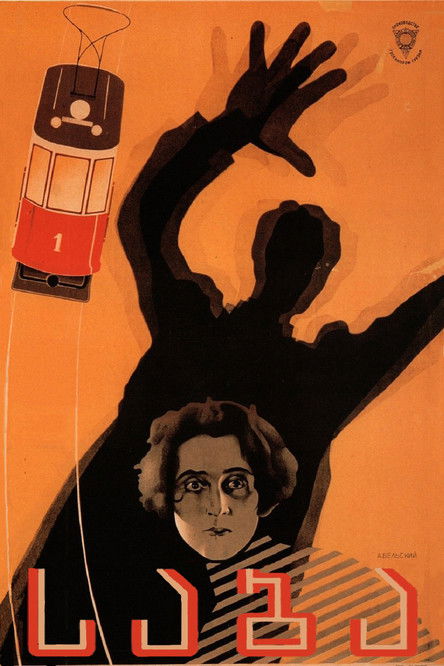
A rework of Boris Sigal's play The Trial of Stepan Korolev. Set in Tbilisi rather than Leningrad is a morality tale about the hazards of alcohol consumption that is nonetheless not without humor.

1918 year. One of the southern cities is captured by the Whites. An underground Bolshevik committee is preparing an armed uprising in the city.

The film deals with the problems of the newly established collective farm. The foreign tractor “Holtze” sent from the city to the village is in great demand.
Subscribe for exclusive insights on movies, TV shows, and games! Get top picks, fascinating facts, in-depth analysis, and more delivered straight to your inbox.