
Action
Adventure
Animation
Comedy
Crime
Documentary
Drama
Family
Fantasy
History
Horror
Music
Mystery
Romance
Science Fiction
Thriller
War
Western
Explore all movies appearances
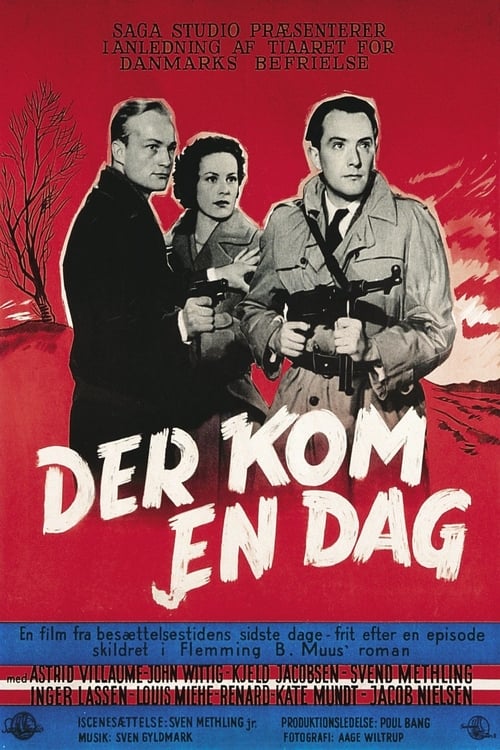
This film is based on a true story, depicted in the novel of the same name, "Der kom en dag" (The Day Came), written by Flemming B. Muus. Quote: On April 9, 1940, we surrendered, under protest, to an army that broke all treaties, attacked our borders, occupied our country, and seized all executive power. But soon, the will to resist was born. Groups of people came together in a common desire to help win the war and liberate our country.
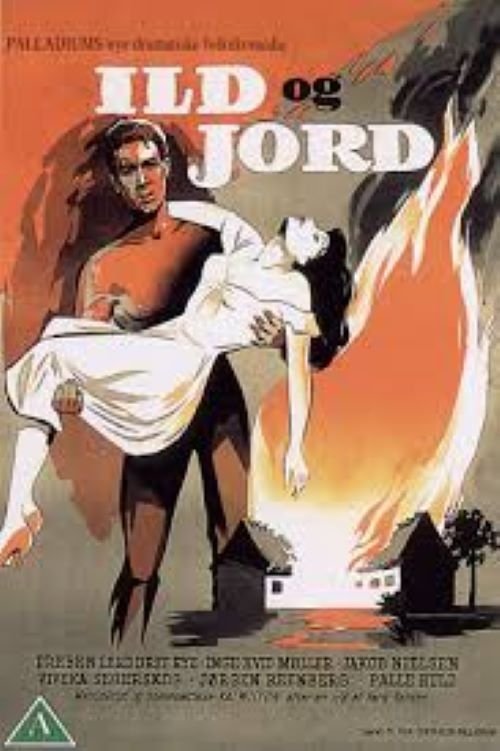
As a young man, Martin married the daughter of the farm, removed his grandfather from the board of directors, and, with his energy and willingness to work, turned the farm around so that it is now the largest and best-maintained farm in the entire region. No one likes being around Martin. Ruthlessness and stubbornness are fundamental elements of his character. He cannot tolerate anyone else around him. His grandfather and wife have long since resigned themselves to the situation, but now something must be done.
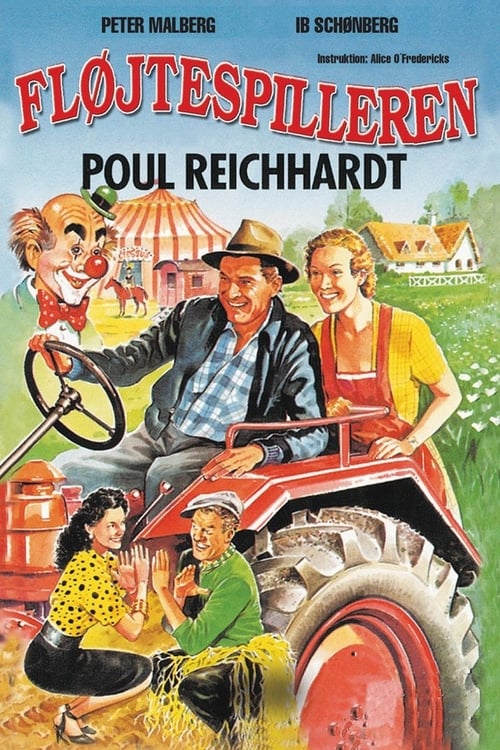
A bunch of wagons are crossing the border. It's the Karla Circus, which, after a rough season in Germany, is gonna try its luck in Denmark. Mrs. Karla, the beloved and respected circus director, goes through passports and papers with the customs officers... everything's fine, so the circus caravan can keep going to the next town. One of the circus employees is caught harboring a vagrant in his wagon. But when it turns out that the vagrant is an excellent flute player, he becomes an asset to Circus Karla.
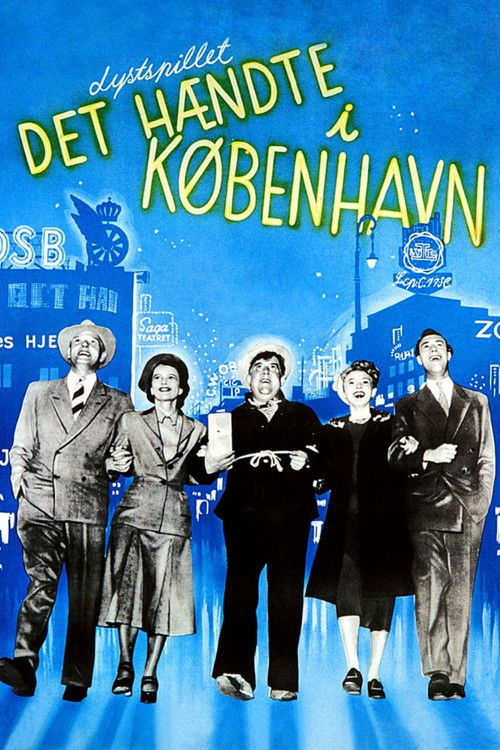
The film could just as well have been called "Where there is room in the heart, there is also room in the house," because it is actually about an old, seasoned people person's solution to the housing problem. He solves it in his own – admittedly unusual – way, but he solves it! Had he been a little more discreet, his invention would never have been discovered – and he could have lived the rest of his life carefree. But this experienced judge of character – whom we call "the Professor" – had one major flaw: his overly big heart for the small and unfortunate members of society in general and the homeless in particular. It is this unfortunate heart that sets the film in motion and accelerates the events.
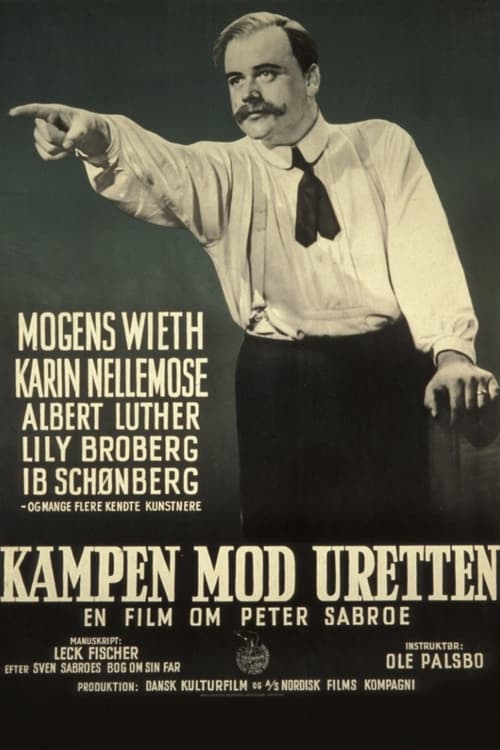
Depiction of the social democratic activist and politician Peter Sabroe, who in the time around the turn of the century went to fight for the oppressed, oppressed and abused existences.
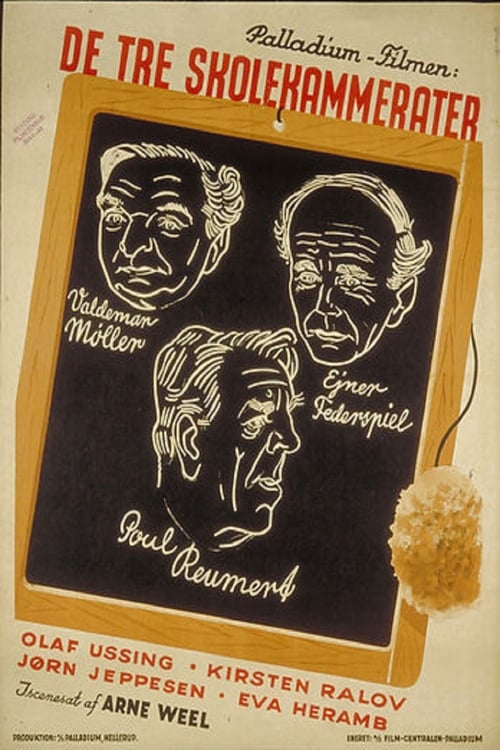
At the dinner for their school's 100th anniversary, three old schoolmates meet. All three have done well in life, for Eyvind is now a respected judge, Herluf the stern director of a glassworks and Ove the owner of a printing house. In the time after the dinner, the coincidences of the three men's lives will become entangled in a way none of them could have foreseen. Fortunately, they still have their old principal in the background to pull the strings.
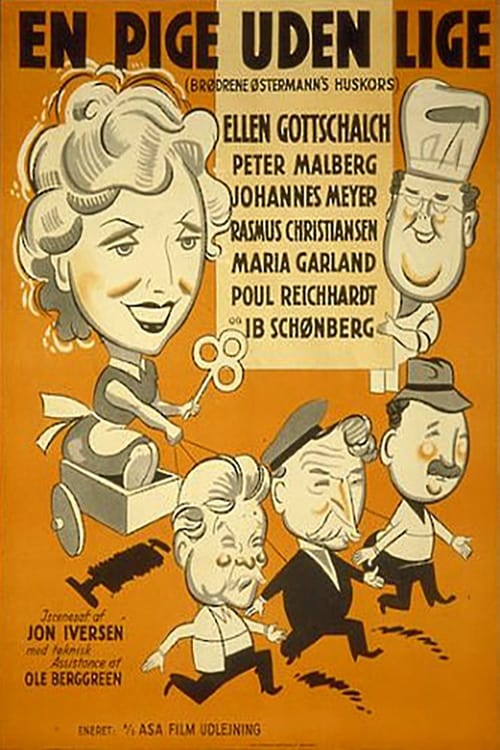
In the ‘Strandgården’ on Taasinge, the three brothers Østermann Lars, Nikolaj and Hans live a secluded life, they are all three bachelors. Over the years, they have developed into three originals who let their farm fall into disrepair and otherwise do not bother to take care of anything.

Mrs. Adda Ernst is a middle-aged lady of the bourgeoisie. She has a nice husband Mr. Ernst, a lovely home and two healthy children Birgit and Hans, who like most of their peers are interested in swing. Mrs. Adda is musical herself, and has a beautiful singing voice, sometimes she can fall into melancholy over the career she never had. But she is naturally endowed with a rare good mood, she soon sheds her sad mood. In reality, she has only one worry. She is afraid of getting old, and therefore makes some convulsive efforts to still seem young. She refuses to realize that her daughter has grown up.

We are in a small Heurigen-Café in Vienna. The young singer Fritz Hertzgruber meets a young Danish writer, Jesper Ellekilde, and the two young people become friends immediately. Fritz has been to Denmark as a "Viennese child" and is now an enthusiastic member of the Viennese children's own club. The following evening, the club's annual draw for a trip to Denmark takes place, and Fritz is the lucky one - albeit by detours. Fritz and Jesper are accompanied to Denmark, where Fritz is very much looking forward to the reunion with his foster parents, the composer Emilius Andersen and his wife. They were the sweetest people to their Viennese child, and their home stands in Fritz's memory as the epitome of idyll and harmony.
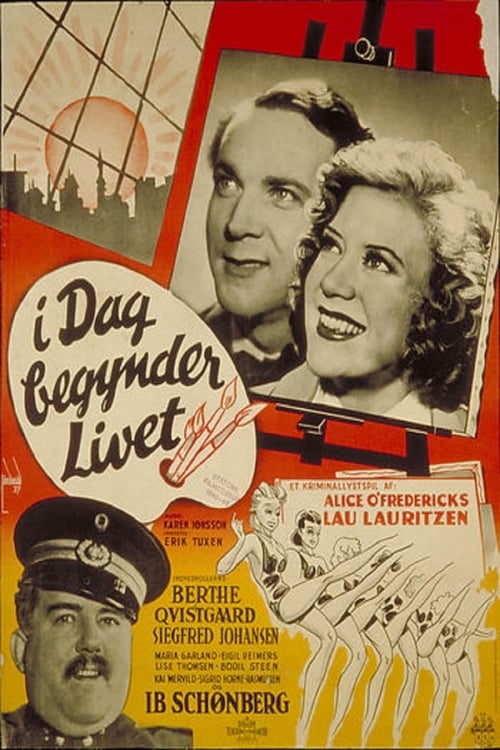
One evening, two young people, the painter Peter Sommer and the sweet, young courtesan Vera Holm, get to know each other in a very dramatic way. He meets her outside the property where he has his studio, and when she pretends to have an errand there, he willingly lets her in. When Vera suddenly pulls a revolver and shoots a stranger, and Peter in the heat of the fight receives a stab wound, there is a great commotion in the property, and an explanation is demanded.
Subscribe for exclusive insights on movies, TV shows, and games! Get top picks, fascinating facts, in-depth analysis, and more delivered straight to your inbox.
