
Action
Adventure
Animation
Comedy
Crime
Documentary
Drama
Family
Fantasy
History
Horror
Music
Mystery
Romance
Science Fiction
Thriller
War
Western
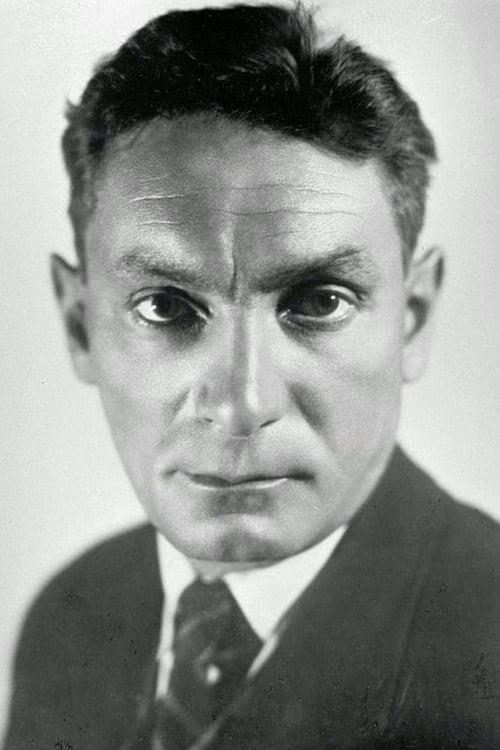
From Wikipedia, the free encyclopedia Vsevolod Illarionovich Pudovkin was a Russian and Soviet film director, screenwriter and actor who developed influential theories of montage. Pudovkin's masterpieces are often contrasted with those of his contemporary Sergei Eisenstein, but whereas Eisenstein utilized montage to glorify the power of the masses, Pudovkin preferred to concentrate on the courage...
Explore all movies appearances
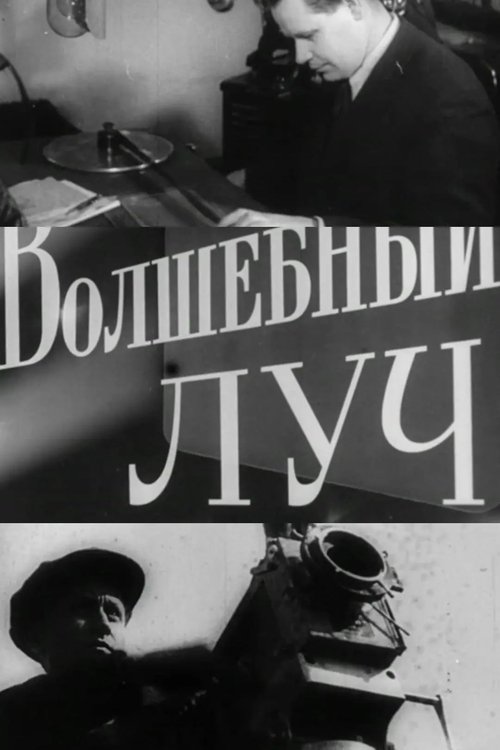
“The Magic Beam” is a film essay woven together from newsreels and documentary material from different decades, fragments of hundreds of non-fiction and fiction Soviet films of the 1910s-1960s.

This is the second part of a projected three-part epic biopic of Russian Czar Ivan Grozny, undertaken by Soviet film-maker Sergei Eisenstein at the behest of Josef Stalin. Production of the epic was stopped before the third part could be filmed, due to producer dissatisfaction with Eisenstein's introducing forbidden experimental filming techniques into the material, more evident in this part than the first part. As it was, this second part was banned from showings until after the deaths of both Eisenstein and Stalin, and a change of attitude by the subsequent heads of the Soviet government. In this part, as Ivan the Terrible attempts to consolidate his power by establishing a personal army, his political rivals, the Russian boyars, plot to assassinate him.
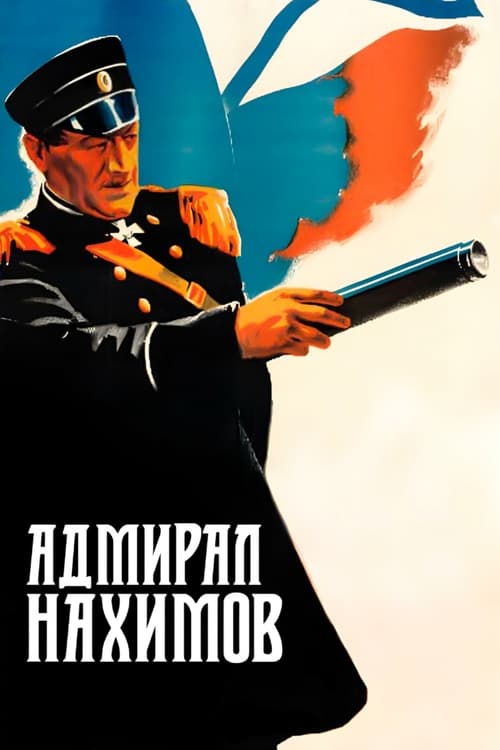
A biography of a famous Russian Admiral Pavel Stepanovich Nakhimov.

Set during the early part of his reign, Ivan faces betrayal from the aristocracy and even his closest friends as he seeks to unite the Russian people. Sergei Eisenstein's final film, this is the first part of a three-part biopic of Tsar Ivan IV of Russia, which was never completed due to the producer's dissatisfaction with Eisenstein's attempts to use forbidden experimental filming techniques and excessive cost overruns. The second part was completed but not released for a decade after Eisenstein's death and a change of heart in the USSR government toward his work; the third part was only in its earliest stage of filming when shooting was stopped altogether.
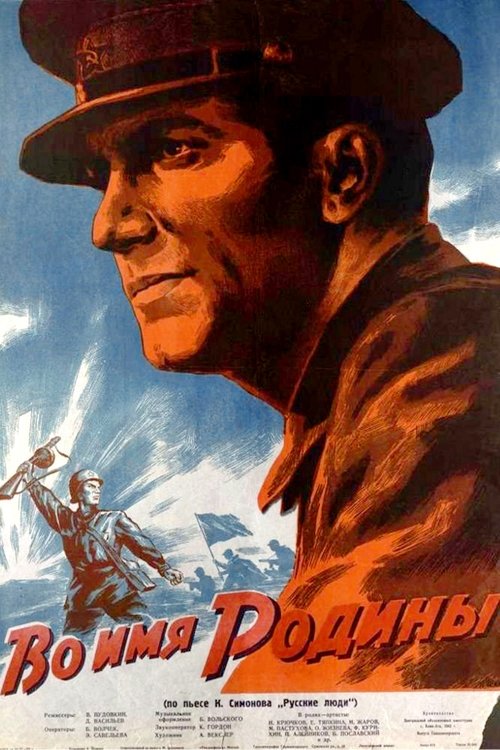
The film deals with a Russian battalion under siege by the Germans during the Second World War.
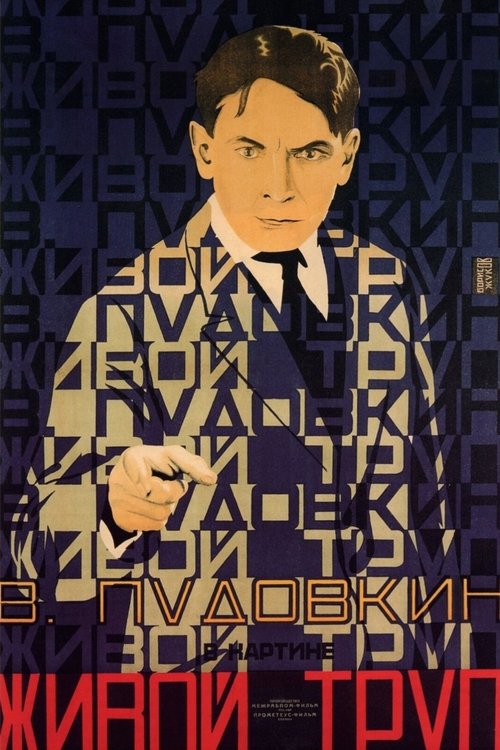
The central character of the play, Fedor Protasov, is tormented by the belief that his wife Liza has never really chosen between him and the more conventional Victor Karenin, a rival for her hand. He wants to kill himself, but doesn't have the nerve. Running away from his life, he first falls in with Gypsies, and into a sexual relationship with a Gypsy singer, Masha.
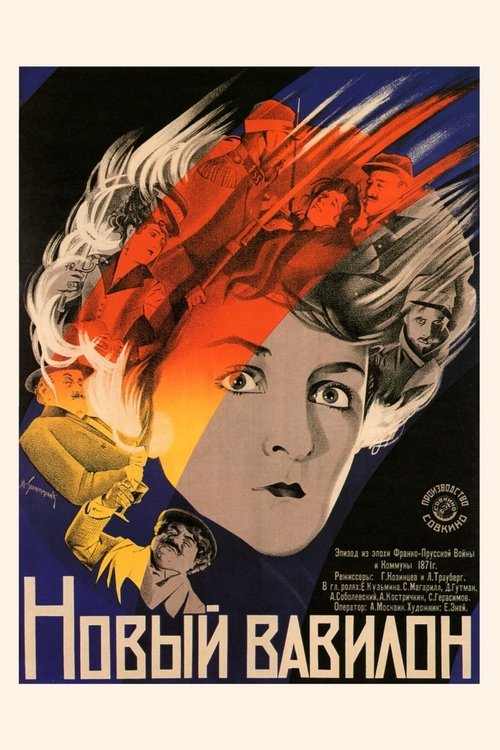
In the short-lived Commune of Paris, a conscripted soldier falls in love with a Communard saleswoman. As the army cracks down on the revolutionaries, the soldier is forced to fight against the Commune, and the pair's love is put to the test.
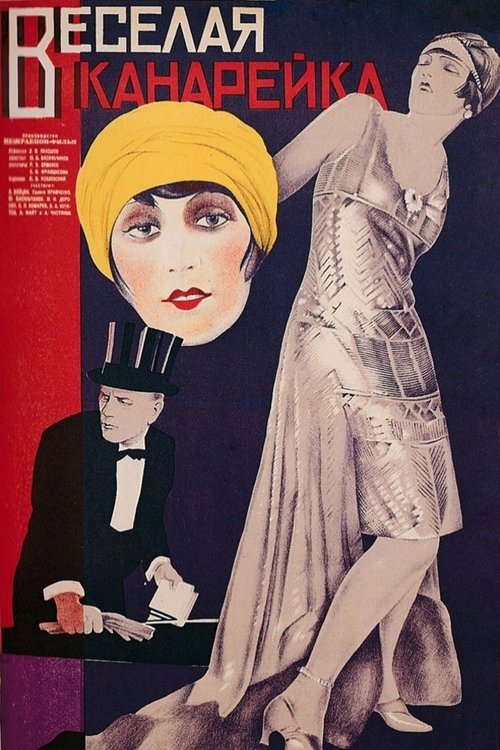
Actress Brio working in a cafe "The Happy Canary", does not suspect that her new acquaintances Brianski and Lugovec are Communists sent by an underground committee to fight the enemy's counter-intelligence.
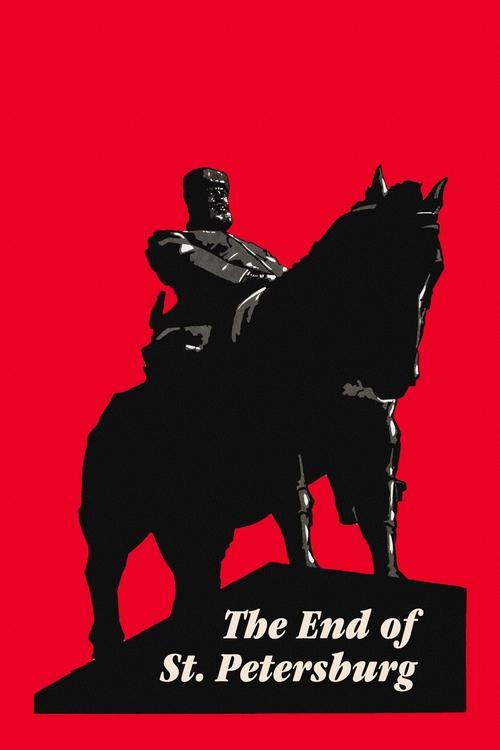
Shortly before the outbreak of WWI, a peasant from rural Russia arrives in St. Petersburg to find work.
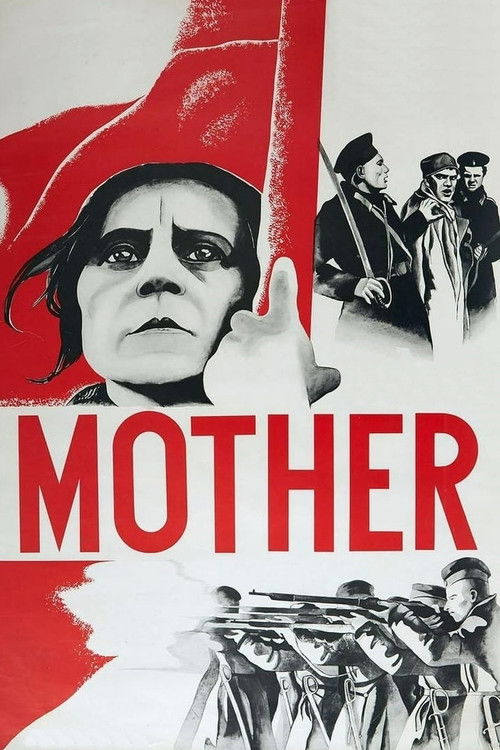
A Soviet woman is caught between her husband and son, who find themselves on opposing sides of the Russian Revolution.
Subscribe for exclusive insights on movies, TV shows, and games! Get top picks, fascinating facts, in-depth analysis, and more delivered straight to your inbox.