
Action
Adventure
Animation
Comedy
Crime
Documentary
Drama
Family
Fantasy
History
Horror
Music
Mystery
Romance
Science Fiction
Thriller
War
Western
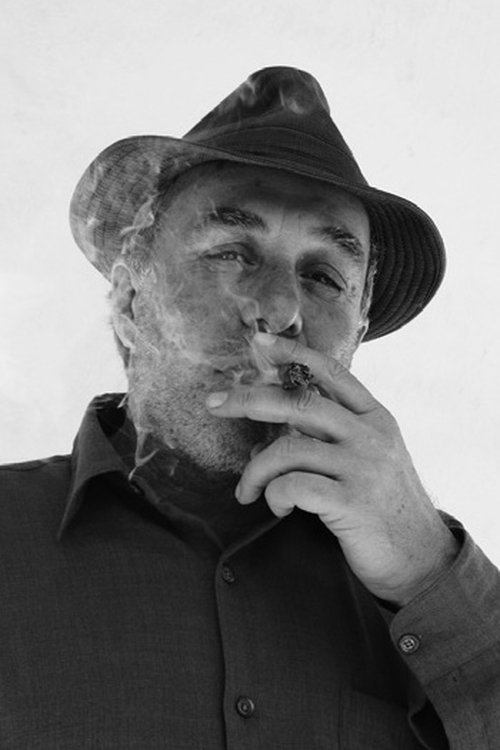
Júlio Eduardo Bressane de Azevedo (Rio de Janeiro, February 13, 1946 ) is a Brazilian filmmaker and writer. A representative of the Brazilian Cinema Marginal, he began making films as an assistant director of Walter Lima Jr., in 1965. In 1967, Bressane debuted as director with Face to Face, being selected for the Festival of Brasilia. In 1970, he founded Belair Movies in company with fellow filmm...
Explore all movies appearances
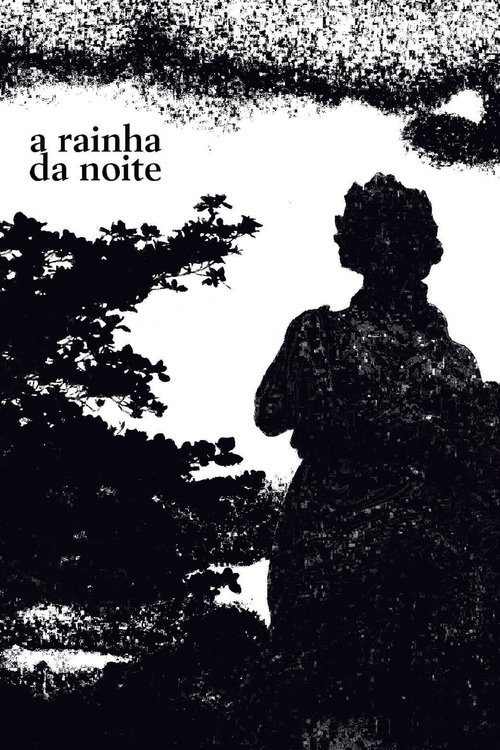
A statue steps down from the pedestal and sets out in search of her Creator, the cold Queen of the Night. In the urban night, she encounters mysterious figures that disappear like shadows. Freely inspired by characters from Mozart's opera, The Magic Flute.
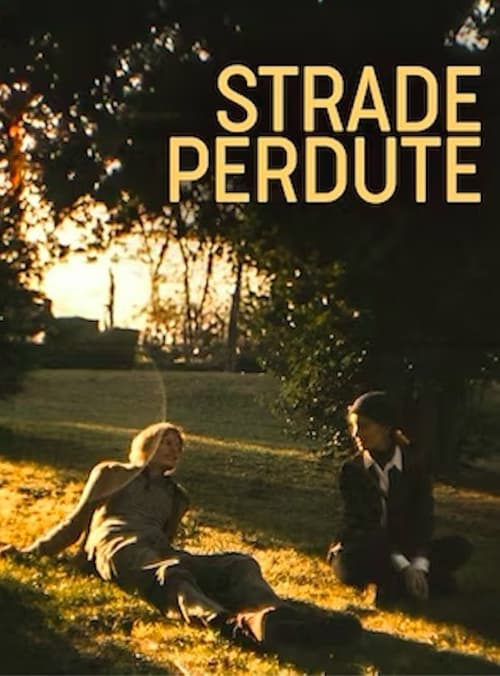
For Filmmaker Film Festival (2023), Fulvio Baglivi and Cristina Piccino asked some filmmakers (R. Beckermann, J. Bressane, D’Anolfi/Parenti, T. De Bernardi, L. Di Costanzo, A. Fasulo, F. Ferraro, M. Frammartino, S. George, ghezzi/Gagliardo, C. Hintermann, G. Maderna, A. Momo, A. Rossetto, M. Santini, C. Simon, S. Savona) to give us their own "lost road," that is, a sequence, scene or piece of editing that did not later find its way into the final version of one of their works. Each fragment has its own accomplished presence, often has a different title from the film it was made for, which is not necessary to have seen in order to find meaning; on the contrary, those who set out thinking they know the world they are walking through will find themselves displaced.
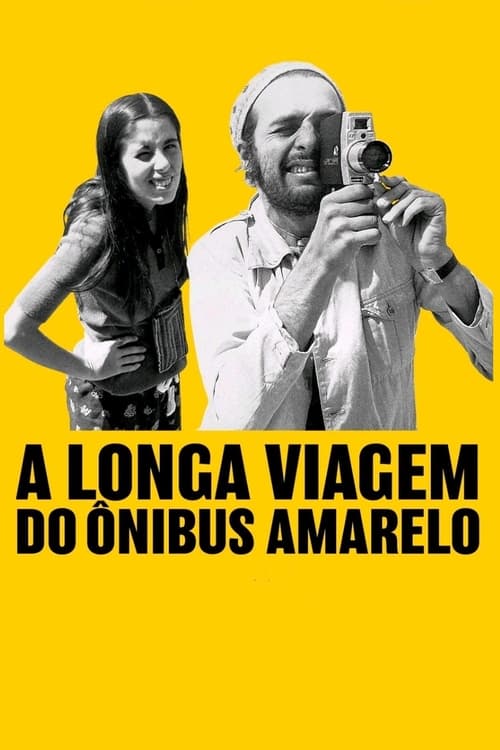
For this behemoth, Bressane took his opera omnia and edited it in an order that first adheres to historical chronology but soon starts to move backwards and forward. The various pasts – the 60s, the 80s, the 2000s – comment on each other in a way that sheds light on Bressane’s themes and obsessions, which become increasingly apparent and finally, a whole idea of cinema reveals itself to the curious and patient viewer. Will Bressane, from now on, rework The Long Voyage of the Yellow Bus when he makes another film? Is this his latest beginning? Why not, for the eternally young master maverick seems to embark on a maiden voyage with each and every new film!
No plot available for this movie.
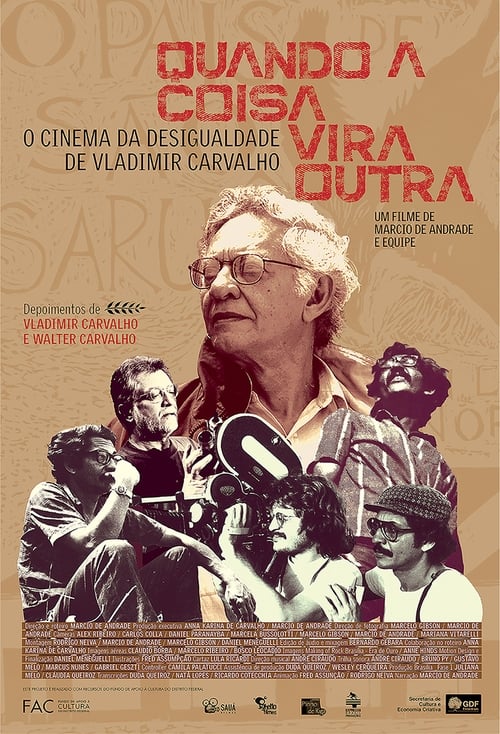
Vladimir Carvalho's Cinema of Inequality marked the documentary filmmaker's trajectory over decades of activity. Considered one of the most important Brazilian documentary filmmakers in activity, his images influenced the emergence of Cinema Novo and the new Brazilian documentary years later. Quando a Coisa Vira Outra covers the most important films made by Vladimir, revealing where ideas come from to show the true reality of a country.
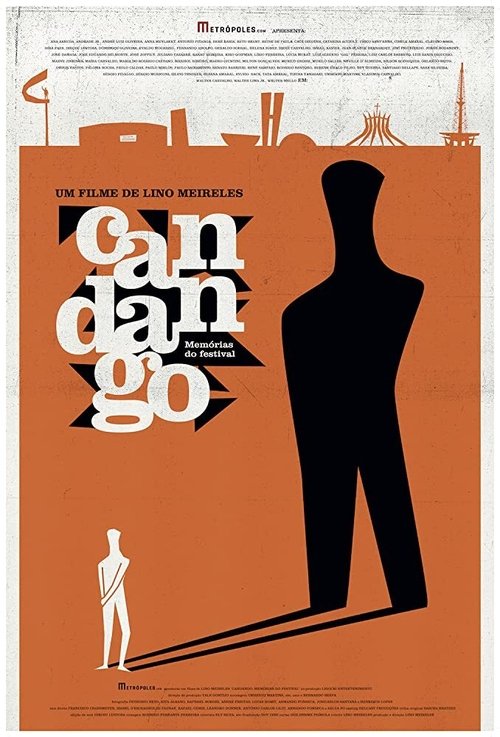
In 1965, a year after the military coup in Brazil, an oasis of freedom opened in the country's capital. The Brasília Film Festival: a landmark of cultural and political resistance. Its story is that of Brazilian cinema itself.
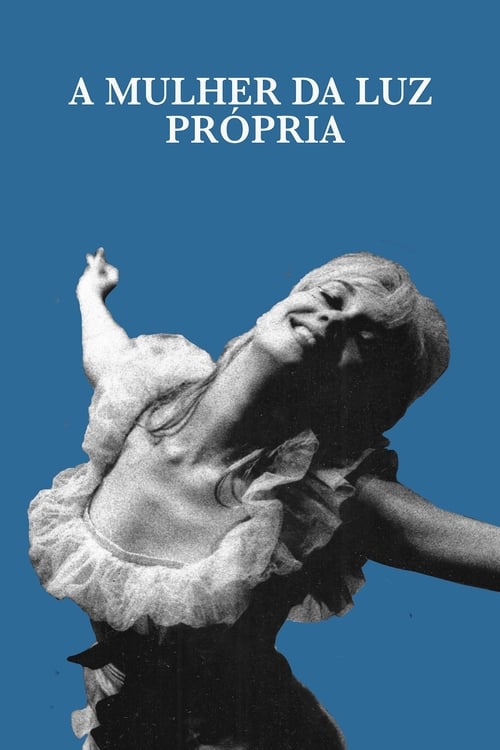
Helena Ignez is one of the main female figures of Brazilian cinema. She developed a new style of acting. Nowadays, she directs independent films. The documentary tells some of the History of Brazilian cinema, its political context and Helena's trajectory.
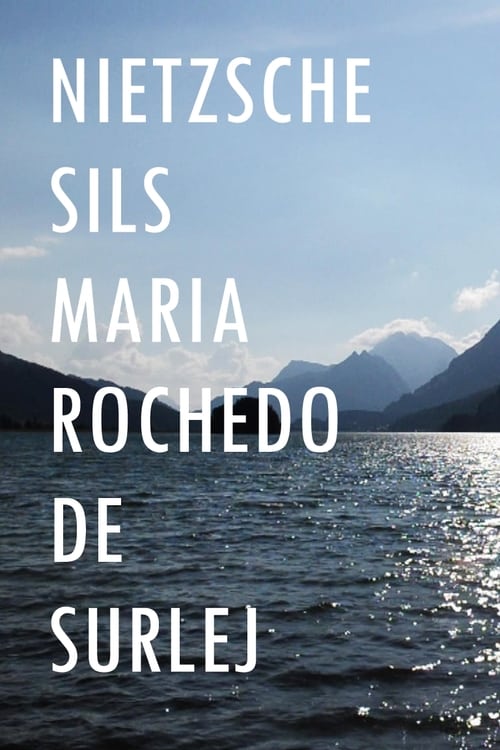
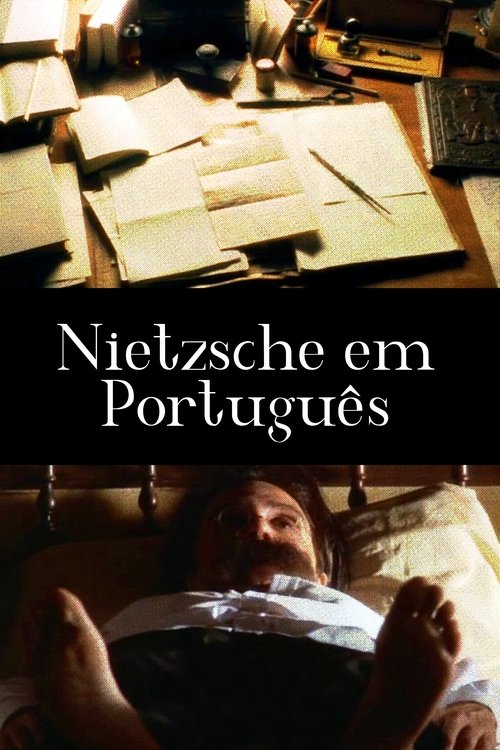
Bressane (together with his partner Rosa Dias and young filmmaker Rodrigo Lima) guide us through the beautiful Swiss Sils Maria, where Nietzsche spent no less than eight summers. In his letters, Nietzsche indicates which spots brought him to a different understanding of philosophy. He discovered, beyond the philosophical text, a source for ideas in the pure air, in the mountain landscapes, in the water of the lakes, and in the age-old forests.
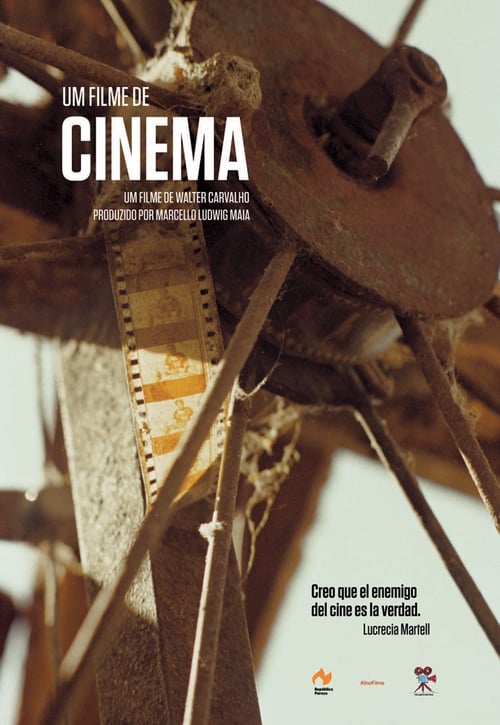
An abandoned tumbledown theater in the outback of Paraíba state is the initial setting of a film about cinema, which explores the testimonials of the novelist and playwright Ariano Suassuna and other filmmakers such as Ruy Guerra, Julio Bressane, Ken Loach, Andrzej Wajda, Karim Ainouz, José Padilha, Hector Babenco, Vilmos Zsigmond, Béla Tarr, Gus Van Sant and Jia Zhangke. They all respond to two basic questions: why do they make movies and why do they serve the seventh art. The filmmakers share their thoughts about time, narrative, rhythm, light, movement, the meaning of tragedy, the audience‘s desires and the boundaries with other forms of art.
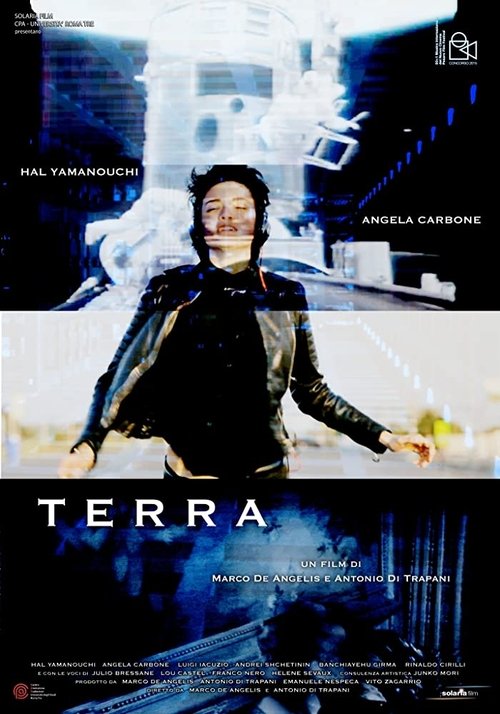
When I wake will I be someone else?
Subscribe for exclusive insights on movies, TV shows, and games! Get top picks, fascinating facts, in-depth analysis, and more delivered straight to your inbox.