Action
Adventure
Animation
Comedy
Crime
Documentary
Drama
Family
Fantasy
History
Horror
Music
Mystery
Romance
Science Fiction
Thriller
War
Western
Explore all movies appearances

A clarinetist from a village in Turkey's Thracian region tries to reach his fiancé, who works as a nurse in a village near Çanakkale, to give her a ring to win back her heart.

Hüseyin is a young man who lives with his grandfather and grandmother in a village in Thracian Turkey. The two great loves of his life are his clarinet and Müjgan, a nurse. Although Hüseyin is content with his life, with his music and dreams of Mügan, due to an unexpected development he leaves his village. He ends up in Istanbul where he finds support first in his clarinet and then in the friendship of the singer Firuzan. Firuzan is a popular nightclub performer who is eagerly working on an album as she leads a colorful but complicated life. When Firuzan meets Huseyin, the course of events gives away to a hilarious adventure.
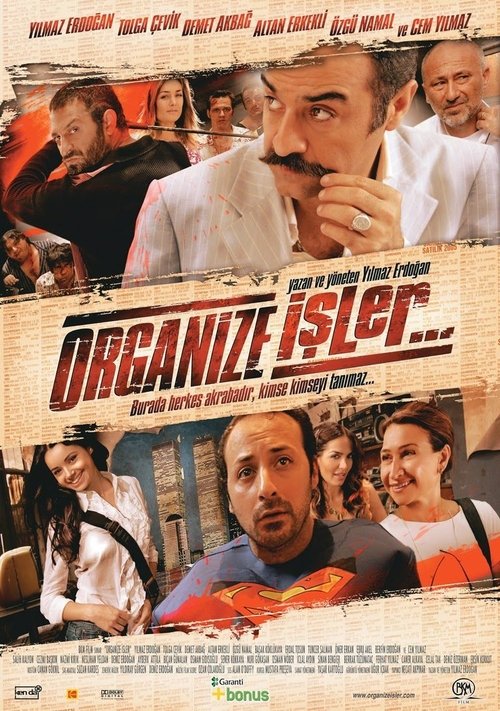
A struggling, suicidal young comedian meets a car thief who is willing to teach him a few things about his profession.

Guner Sernikli is a government official who, with his wife and their wheelchair bound daughter, has been assigned as the head librarian to this isolated province, virtually an exile since there is no library in the village. The family is warmly welcome, but these are the years of political anarchy and leftist/rightist clashes in big cities and the youth of the village inevitably follow the tides. They arrive in Vizontele, just as the situation is becoming really absurd. Guner brings wisdom; his daughter Tuba brings beauty, innocence and love. Some like the Mayor, Nazmi Dogan and crazy Emin appreciate these things but they are in the minority and confusion continues to reign. The story is based on the memories of writer-director Yılmaz Erdoğan of the last summer of his childhood in Hakkâri, Turkey in 1980.
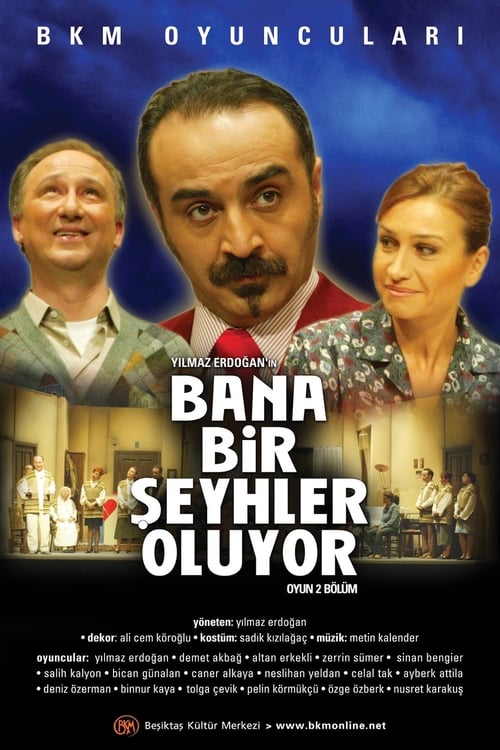
“Anlatacaklarım var! Vaaz vermek değil niyetim, duyduğumu söylemek. Söylemeye değer şeyler duyuyorum zira. Belki hayatı daha yaşanır kılmak için ya da belki sade, ama sade anlatmak için... Sen anlat dedi Tanrı bana, anlaşılsın diye değil, hiçbir mükafat istemeden anlat... Çünkü bir mükafattır artık bir anlatıcıya doğru düzgün anlaşılmak! Sen anlat dedi... Sen sade anlat! Umudu hatırlatsın diye umutsuzluğu, çareye yol açsın diye çaresizliği anlat... Ders verme dedi kimseye, çünkü hoca denmez öğrenmesini bitirene. Çırakları olan bir çıraktır usta, olsa olsa... Sen anlat dedi bana Tanrı, sen sade anlat.... “ Yılmaz Erdoğan, “Bana Bir Şeyhler Oluyor” oyununun kahramanı Hilmi Duran’a söylettiği bu sözlerle, yazar olarak neden böyle bir oyun yazmak zorunda kaldığını açıklamakla kalmıyor, aynı zamanda kahramanının da kimliğini ele veriyor.
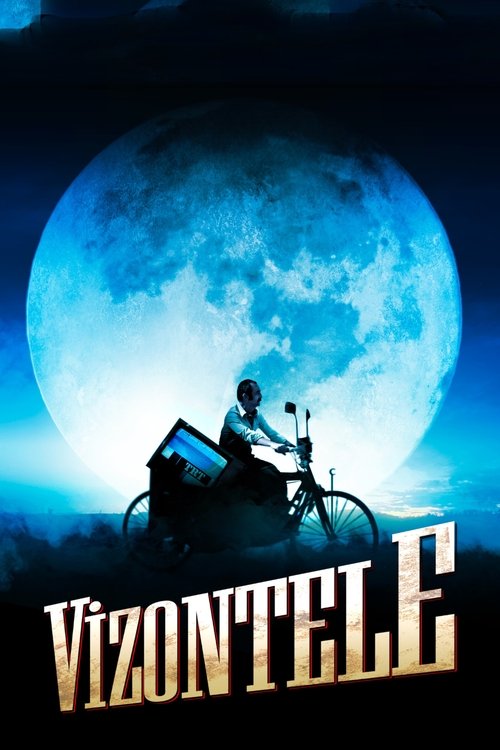
The story takes place in the small town of Hakkari in Turkey at the beginning of the '70s. The time has come to bring technology to that small town. The first Television (called Visiontele by the citizens) arrives and the chaos begins.
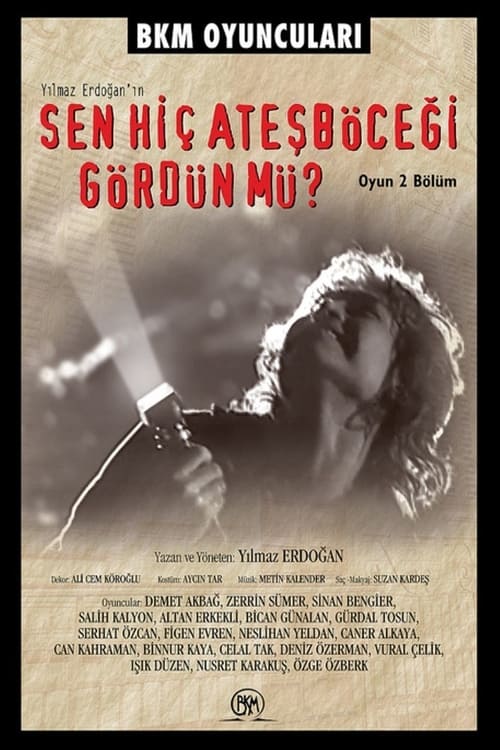
Yılmaz Erdoğan's lauded stage play traces the life of wunderkind Gülseren as she navigates social and political change.

Written by Yılmaz Erdoğan and first staged at the Beşiktaş Cultural Center (BKM) in 1995, Otogargara ran for four seasons to sold-out audiences. The play was also performed 468 times in many provinces and districts of Anatolia between 1995 and 1999, in addition to Ankara and İzmir. During its run at BKM, Otogargara was directed by Turgay Kantürk and featured Yılmaz Erdoğan, Demet Akbağ, Sinan Bengier, Olgun Şimşek, Zerrin Sümer, Erdoğan Dikmen, Gürdal Tosun, Evrim Solmaz, and Serhat Özcan, along with 22 other actors and dancers. It was the first play produced by BKM.
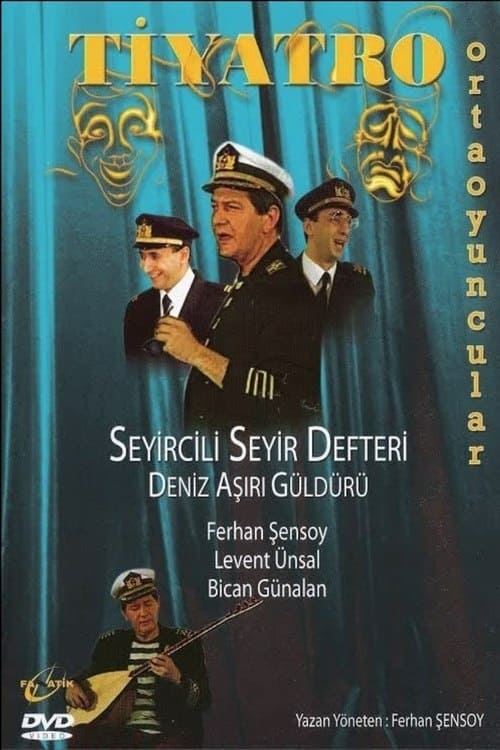
Ferhan Şensoy and his team perform their play, which takes place inside a ship, from inside the same ship for their audience. Ferhan Şensoy, a true wordsmith, plays the captain, and the ship's crew returns from a long voyage and sets sail for Turkey. When they see the state of the country, they decide to turn back, saying, "Take it, it's yours." Deeply troubled by the public's tendency to accept every new crisis as normal, Şensoy remarks, "In another country, the people would rise up and protest, but here, such things do not occur," and in his "Audience Logbook," he critiques the nation's issues using the vernacular of the people.
No plot available for this movie.
Subscribe for exclusive insights on movies, TV shows, and games! Get top picks, fascinating facts, in-depth analysis, and more delivered straight to your inbox.