Action
Adventure
Animation
Comedy
Crime
Documentary
Drama
Family
Fantasy
History
Horror
Music
Mystery
Romance
Science Fiction
Thriller
War
Western
Explore all movies appearances
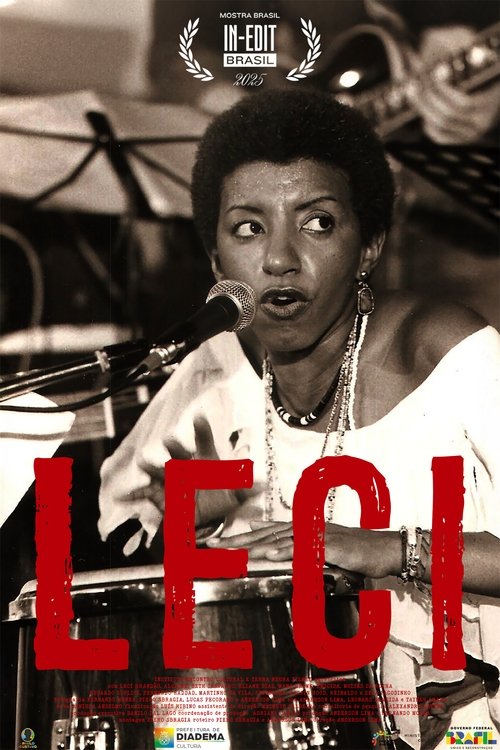
Leci Brandão is a pioneer of socially conscious music in Brazil. A samba singer, communist party activist and the second black deputy elected in the history of the Legislative Assembly of São Paulo, she transformed her life into a fight for more diversity. As she herself says, "samba is Brazil's identity card". Several personalities reflect on the importance of Leci, at 80 years of age and with 50 years of career, in building a Brazil with less hate and more opportunities.

No plot available for this movie.

No plot available for this movie.
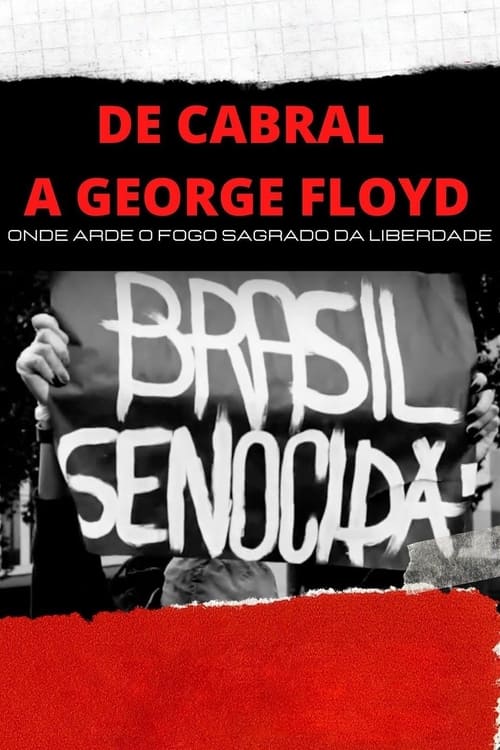
Through clippings, the film draws a narrative line between the construction of racism in Brazil and the United States, having as base the European invasion of the continent, police violence, the genocide of the black people, the massacre of indigenous peoples, religious violence, the criminalization of funk music, structural racism in art and education, the importance of quota policy and the need urgent historical repair as a commitment by the Brazilian state to the black people.

Between scenes from his concert in São Paulo's oft-inaccessible Theatro Municipal, rapper and activist Emicida celebrates the rich legacy of Black Brazilian culture.
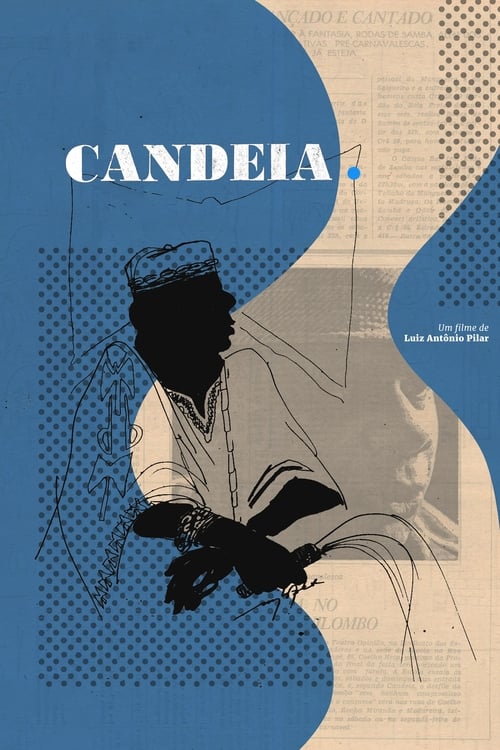
The life and work of the late samba singer-songwriter Candeia.

Inspired by the US paper “Gay Sunshine”, in April of 1978 appeared in Brazil – during the dictatorship – the newspaper “O Lampião”, depicting the point of view of gays on various issues, including sexuality. A group of journalists and writers from Rio de Janeiro and São Paulo joined the project, fueling a publication that paved the way for the press at the time, addressing controversial issues at the period, such as racism, abortion, drugs and prostitution.
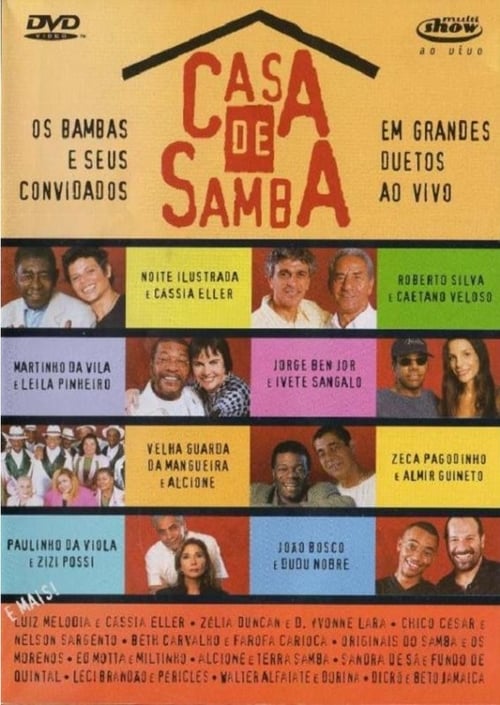
No plot available for this movie.
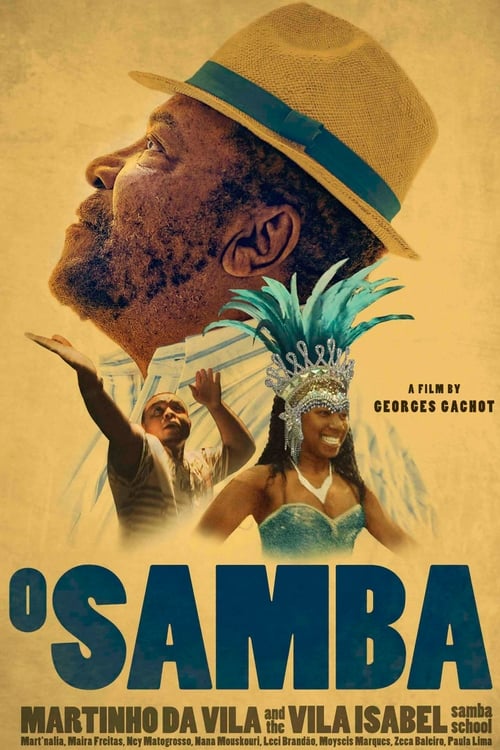
In the Documentary The singer, composer, writer and bamba Martinho da Vila guides the viewer through the gigantic world of samba investigating the origins of the rhythm, highlighting its importance in different spheres, telling stories about his career and presenting his heart association, Grêmio Recreativo Samba School Unidos de Vila Isabel.

Since samba emerged in Rio de Janeiro, the presence of women has been fundamental to its creation, maintenance and perpetuation to this day. Muses, pastors, aunts, composers, dancers, godmothers, carnival dancers, mulatas, performers and even as workers, they form a panel of colors, feelings and sounds in the representation of this culture. This film takes a brief look at the history of some of these women, honoring and recognizing their strength.
Subscribe for exclusive insights on movies, TV shows, and games! Get top picks, fascinating facts, in-depth analysis, and more delivered straight to your inbox.