
Action
Adventure
Animation
Comedy
Crime
Documentary
Drama
Family
Fantasy
History
Horror
Music
Mystery
Romance
Science Fiction
Thriller
War
Western
Explore all movies appearances
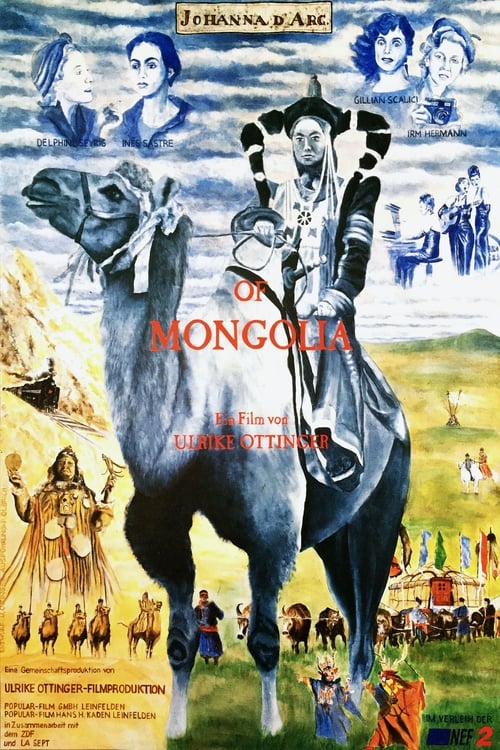
A group of cosmopolitan women passengers aboard the Trans-Siberian/Mongolian Railway are taken prisoner by Ulan Iga, a warrior princess.
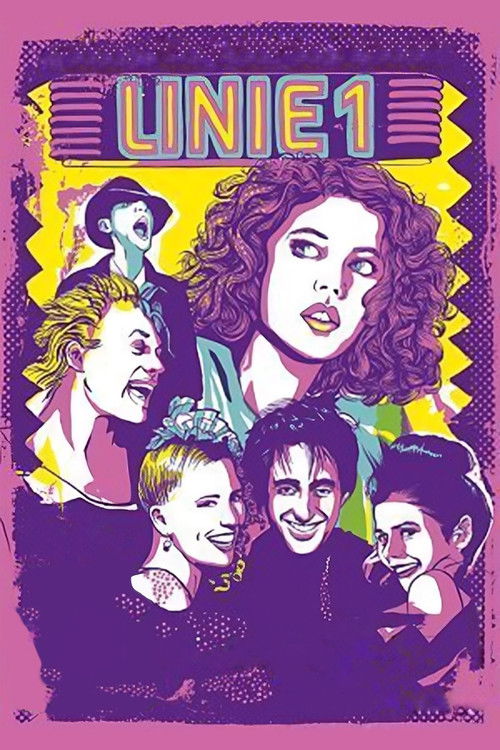
Film version of the musical by the same name: Sunnie, a girl from the province, comes to Berlin to meet rock star Johnnie who had given her his address after a concert. On the subway to Kreuzberg, Sunnie becomes acquainted with a couple of strange people, among them "asphalt cowboy" Bambi. Bambi tells Sunnie that Johnnie’s address in Kreuzberg does not exist. Together, Sunnie and Bambi try to find the rock star in bustling metropolitan Berlin.
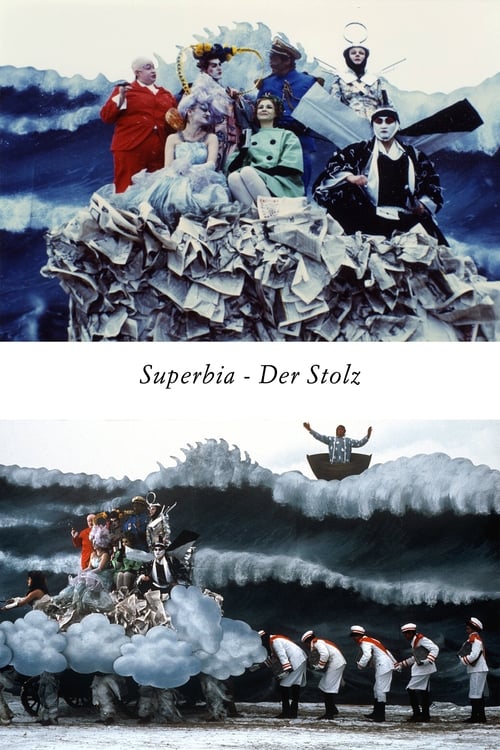
Pride is the first of the seven deadly sins. The introduction is made through early allegorical forms and figures (triumphal procession, dance of death, Baroque tragedy etc.) The triumphal procession of the giant haystack as a symbol of human vanities becomes a military parade of abrupt, functional and arrogant gestures. The most diverse musical fragments and rhythms intone the montage of details in the staged triumphal procession, juxtaposed with documentary images, including marches, ticker-tape parades and military review.
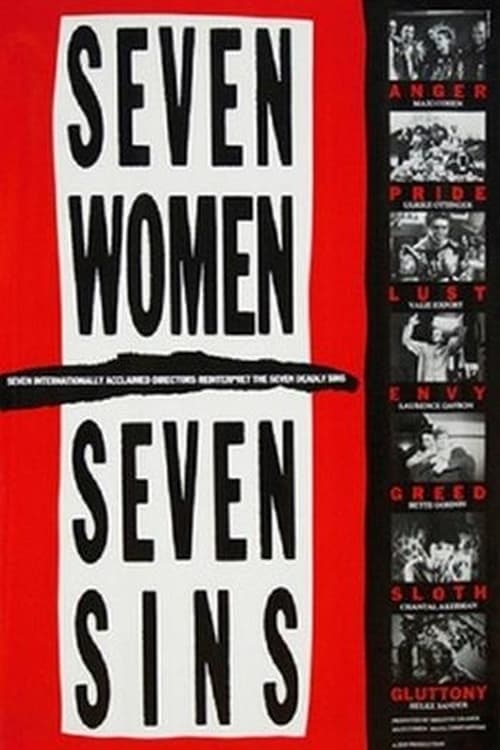
Seven Women, Seven Sins (1986) represents a quintessential moment in film history. The women filmmakers invited to direct for the seven sins were amongst the world's most renown: Helke Sander (Gluttony), Bette Gordon (Greed), Maxi Cohen (Anger), Chantal Akerman (Sloth), Valie Export (Lust), Laurence Gavron (Envy), and Ulrike Ottinger (Pride). Each filmmaker had the liberty of choosing a sin to interpret as they wished. The final film reflected this diversity, including traditional narrative fiction, experimental video, a musical, a radical documentary, and was delivered in multiple formats from 16, super 16, video and 35mm.

The final installment in Ulrike Ottinger’s Berlin Trilogy (following TICKET OF NO RETURN and FREAK ORLANDO) casts Delphine Seyrig as the nefarious Fritz Lang supervillain Dr. Mabuse, here the head of a powerful media empire that seeks to create headlines by manufacturing (and then publicly destroying) its own celebrity: the wealthy, handsome playboy Dorian Gray.
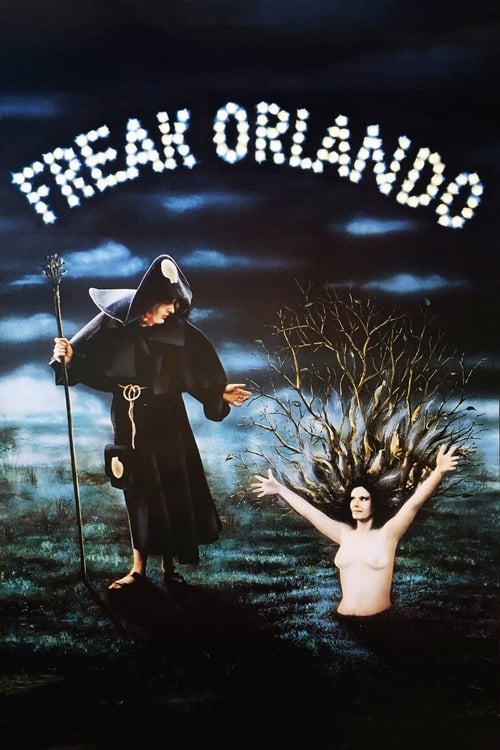
Five more-or-less distinct sections, all featuring "Freak" Orlando, a woman played by the late Magdalena Montezuma, who appears in various guises and deformities throughout.
Subscribe for exclusive insights on movies, TV shows, and games! Get top picks, fascinating facts, in-depth analysis, and more delivered straight to your inbox.
