
Action
Adventure
Animation
Comedy
Crime
Documentary
Drama
Family
Fantasy
History
Horror
Music
Mystery
Romance
Science Fiction
Thriller
War
Western
Explore all movies appearances
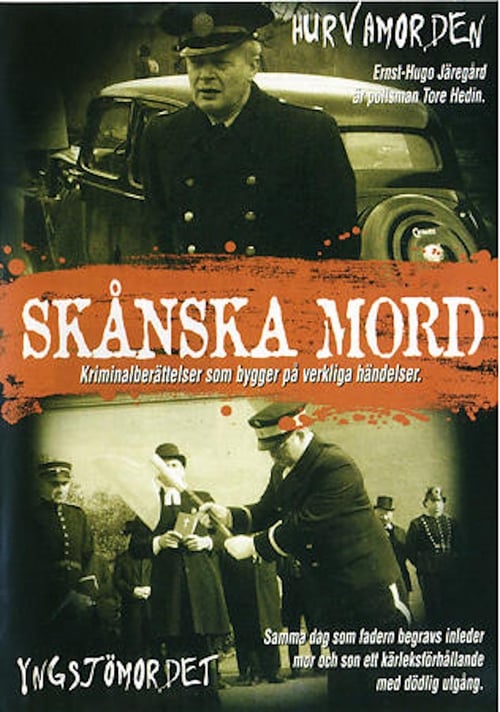
This is the story of Anna Månsdotter who was executed on the 7th of August 1890 in Kristianstad county prison. She was the last female ever to be executed in Sweden.
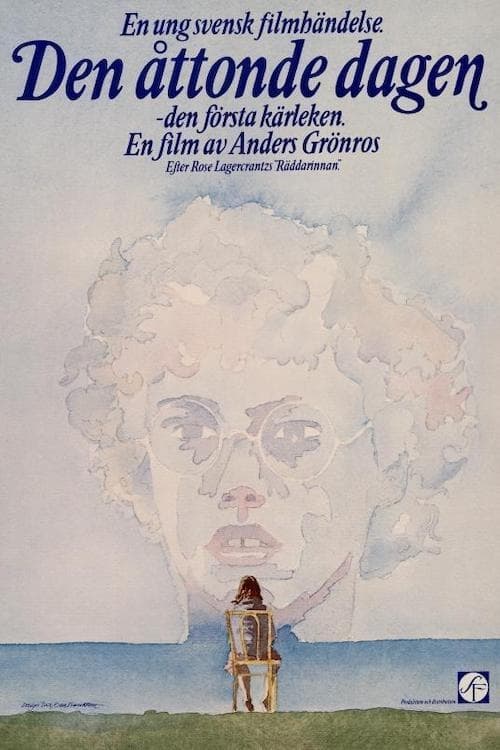
Children as real human individuals with the difficulties this involves. Anna and Peiter are 11 years old. Peiter's parents are divorced. Only for one week a year does he live with his father, on the same island as Anna. The children have been friends for years. But this year (because of beginning puberty?) they have difficulty in getting in real touch. Day after day they fail. - Outside a café Peiter boasts that he can do everything. Anna tells him to fetch the thing she is thinking of. He goes inside, asks a guest to rise and brings his chair to Anna. This was indeed the right thing, and this chair will re-appear in other scenes. Another day Peiter boasts that he is not afraid of being locked up in a desolate tower for a few hours. Anna closes the lock on the outside. But her parents prevent her from going out again and Peiter remained alone in the tower for the entire night. -Finally all seven days have gone and the gap that prevented full contact is still not closed.

About two girl-wolf, Amala and Kamala in 1930s India. They are captured by the British troops and placed in Military hospital, subjected to a harsh upbringing, in an attempt to make ordinary people out of them.

A Swedish housewife begins an adulterous affair with an American archaeologist, unaware of his emotional scars as a Holocaust survivor; consequently, their relationship will be painfully difficult.

Television adaptation of Chekhov's story about the spoiled widow Madame Ranevskaya.

Swedish tv film based on "Galgmannen" play
Based on Nikolai Gogol's novel.
The first play in a trilogy by Arnold Wesker. The Hungarian-Jewish immigrant Sarah Kahn firmly holds her family in London's East End. She is also the center of power for the socialist engagement of the family, which is being tested by the events of Eastern Europe after the war.

A family in crisis during the holiday of Easter
Comedy by William Congrevé. A spiritual and rather mean picture of the noble life in London around 1700.
Subscribe for exclusive insights on movies, TV shows, and games! Get top picks, fascinating facts, in-depth analysis, and more delivered straight to your inbox.