
Action
Adventure
Animation
Comedy
Crime
Documentary
Drama
Family
Fantasy
History
Horror
Music
Mystery
Romance
Science Fiction
Thriller
War
Western
Explore all movies appearances
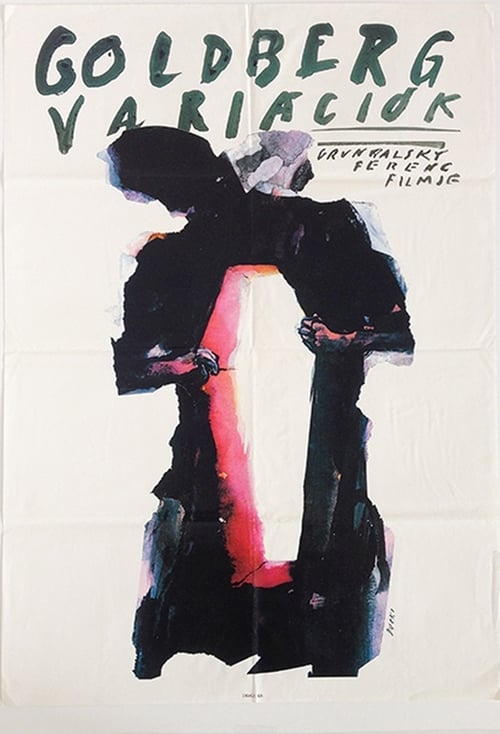
This is a rough, fragmented drama about a couple whose 13-year-old son committed suicide without an apparent reason. The film portrays the day after the funeral and the helpless, abandoned mourning of the parents.
Ferenc Gergó met Béla Nagy in the army, who later appeared at his workplace, a rural communications technology factory, as a counterintelligence officer, and played a major role in Gergó being sent to death row in 1958. Here he recalls what happened. Gergó fell in love with Zsuzsa, the wife of his friend, chief engineer Wágner. However, before their conflict could unfold, Wágner was arrested on suspicion of espionage and died in prison. Zsuzsa rejected Gergó's advances for a while and raised her child alone. After rekindling their relationship, they get married. On their honeymoon, they learn of the outbreak of the revolution. On their way home, they take part in one of the revolutionaries' actions. Gergó becomes a member of the factory workers' council. He saves Nagy from being lynched. In November, the factory is surrounded by soldiers. Gergó is also arrested...

Two Hungarian documentary makers, having heard nothing about their countryman Mickey Hargitay for almost 15 years, embark on a quest for the former body-builder/B-movie star. They cross America and find Mickey, living quietly in Southern California, running his businesses and raising his children, who have names like Mariska (ring a bell?) and Zoltan, speak Hungarian, and look like Jane Mansfield (of course).
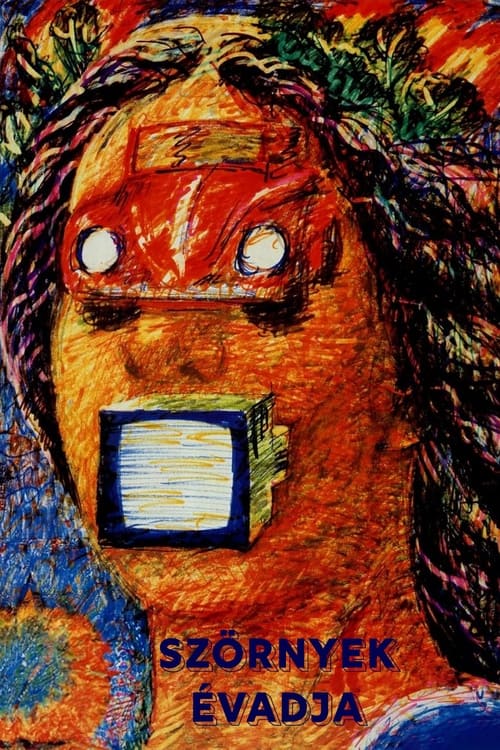
Zoltai is a Hungarian professor who returns home after a visit to the United States. Following a television interview, he commits suicide and leaves a note for his longtime friend Dr. Bardocz. The doctor and Zoltai's colleague Komindi join the police in investigating what drove the man to suicide.
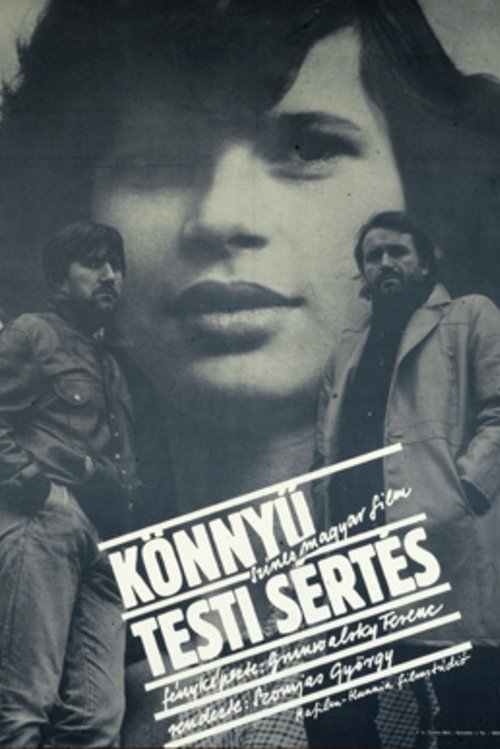
After serving a prison sentence for a street fight, Csaba returns home to find his wife, Éva, now living with another man, Miklós. With nowhere else to go, Csaba is forced to share their small apartment, leading to constant friction and escalating provocations.
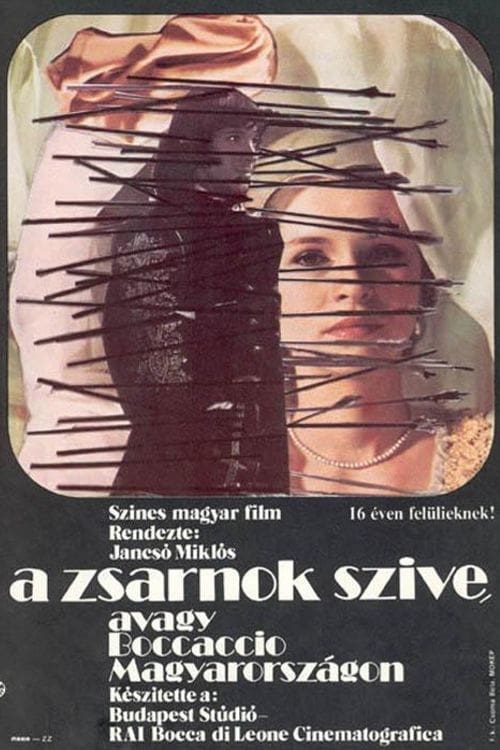
A historical drama set in the 1400s, a young man sent to Italy but is forced back after his father's mysterious death.
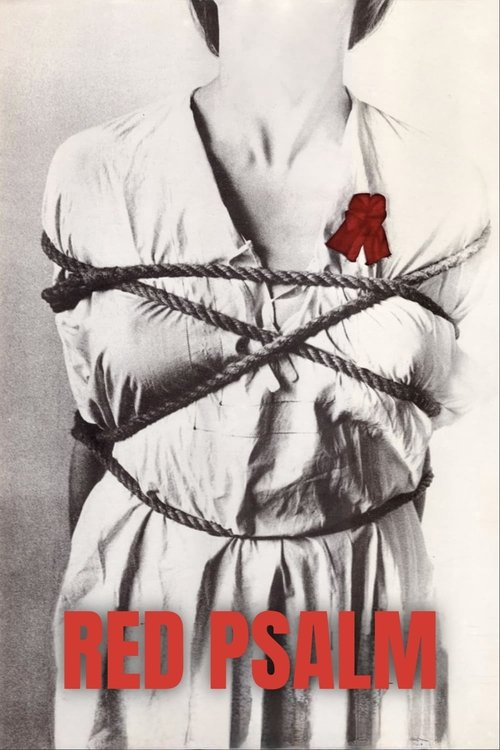
Set in the 1890s on the Hungarian plains, a group of farm workers go on strike in which they face harsh reprisals and the reality of revolt, oppression, morality and violence.

Allegory of the suppression of the 1919 revolution and the advent of fascism in Hungary; in the countryside, a unit of the revolutionary army spares the life of father Vargha, a fanatical priest. He comes back and leads massacres. A new force, represented by Feher, apparently avenges the people, but only to impose a different, more refined and effective kind of repression.
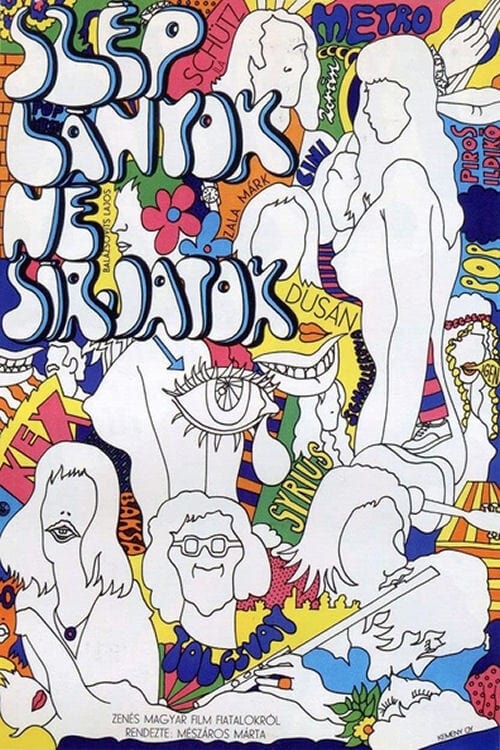
Savanyú and his friend work at a plant. After the monotonous shifts they engage in the pleasures of the afternoon and the night, i.e. parties and concerts. Savanyú dates Juli, they are already engaged. The young men live as sub-tenants, the young women in workers' hostels. None of these places are suited for spending time together. They are in need of an apartment. Out of the ruinous apartment which they lay siege on, however, they are sent away by the otherwise friendly policeman. At a concert held in the Park of Youth, Juli gets to know Géza. They flirt, then go to the country with a pop-group. Savanyú and his friends follow them. A minor fight cools the atmosphere.
Subscribe for exclusive insights on movies, TV shows, and games! Get top picks, fascinating facts, in-depth analysis, and more delivered straight to your inbox.