
Action
Adventure
Animation
Comedy
Crime
Documentary
Drama
Family
Fantasy
History
Horror
Music
Mystery
Romance
Science Fiction
Thriller
War
Western
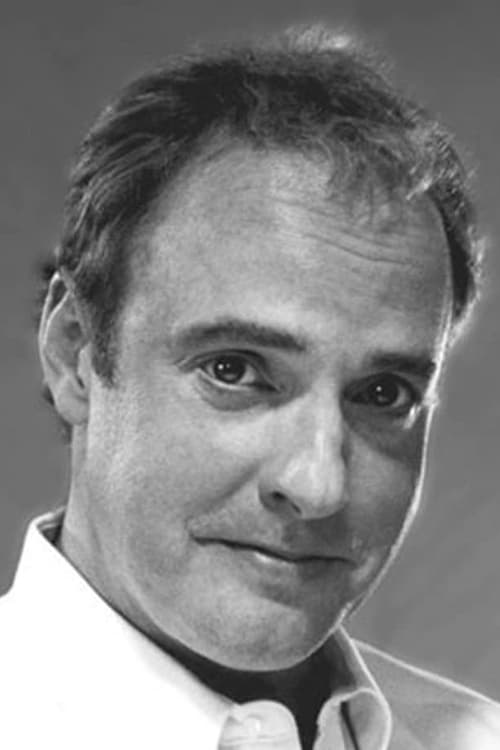
Peter "Stoney" Emshwiller (born Peter Robert Emshwiller, February 5, 1959) is an American novelist, artist, magazine editor, filmmaker, screenwriter, and actor.
Explore all movies appearances

Bloom discovers she is a fairy. She gets the chance to attend Alfea College with her new BFFs: Stella, Flora, Tecna, and Musa.

The Trix have taken Bloom's Dragon Flame and will stop at nothing to take over all of Magix. The evil witches being their quest by taking over their own school, Cloudtower. They then build an army of villains to help them take over Redfountain, the school of the Specialists. It's battle on as those not aligned with the Trix retreat to Alfea and join forces to save the Magix realm. As the conflict rages on, Bloom finds herself drawn to the spirit of Daphne, who reveals a secret Bloom never imagined.

Idyllic Suburbia. Mom 'n' Apple Pie. Or not. This outrageous comedy turns suburban America on its head. Mad cow disease, Corporate Greed, Mob Mentality, the Cult of Motherhood, propaganda, discrimination, and dangerous kitchen utensils all find a home in this wild social satire.
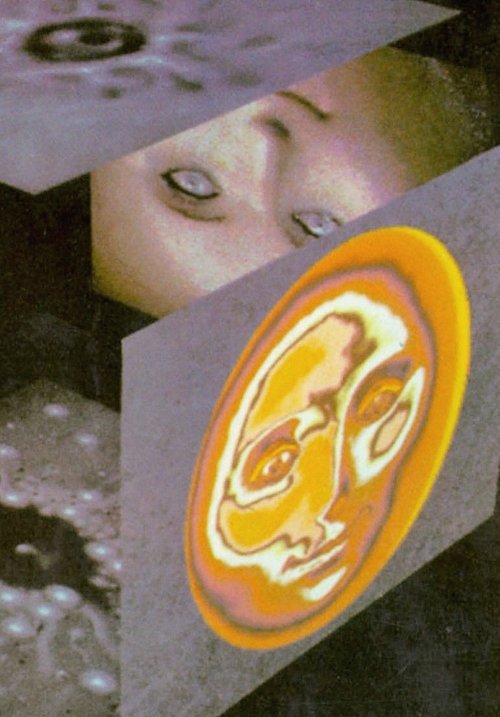
Experimental computer animation from pioneering artist Ed Emshwiller.
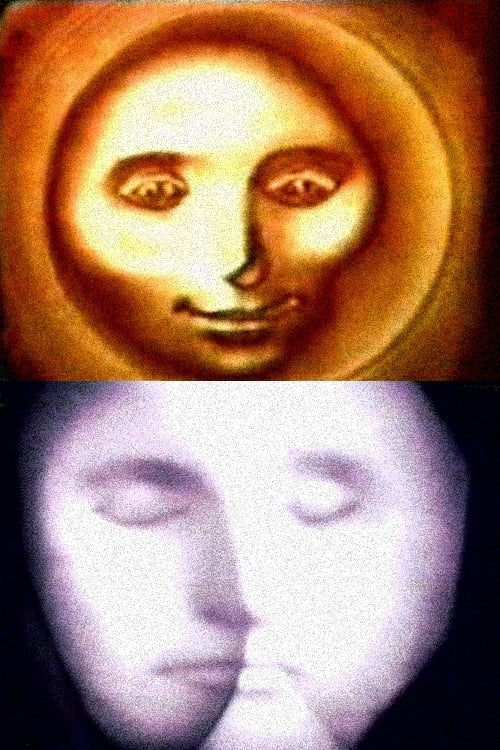
Really gorgeous visuals from Emshwiller made for Roger Reynolds's Voicescapes performance, containing elements from his previous Sunstone.
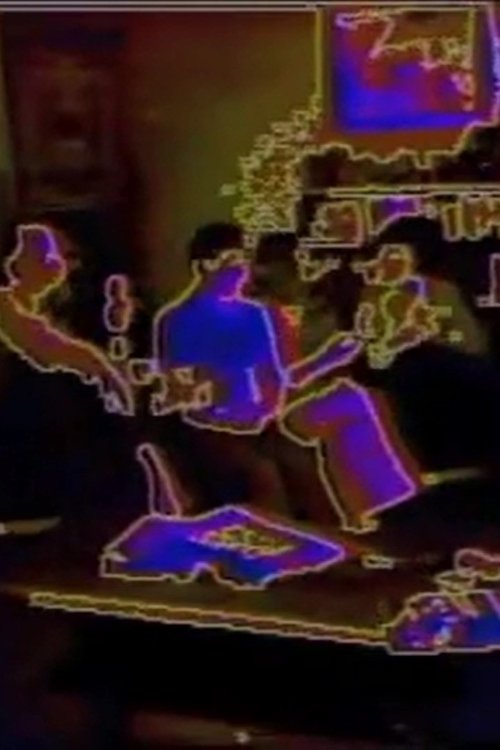
Emshwiller terms Family Focus a "family self-portrait, a stylized autobiography," which takes the form of an intimate collage of home movies, black-and-white videotape and photographs that have been colorized, synthesized or otherwise visually transformed in an electronic mediation by the artist. The viewer is witness to the spontaneous activities and conversations of the family's quotidian home life, which is accompanied by Carol Emshwiller's ironic, often poetic commentary. In one sequence of home movies, the children are seen "growing" over a span of twenty years. Using the video camera as a kind of psychological mirror, Emshwiller integrates video's intimacy, reflexivity and realism with its "unreal" technological manipulations to form what the artist describes as a "documentary/video art transformation of self-revealing images."
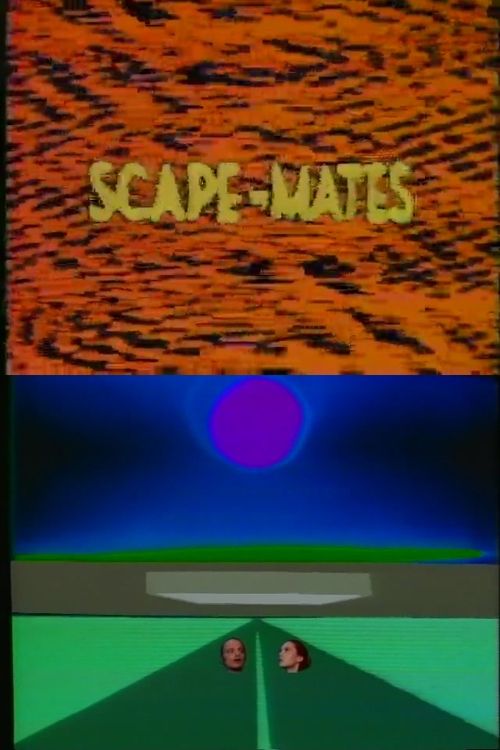
In one of his first experiments in video, Emshwiller creates an electronic landscape of both abstract and figurative elements, where colorized dancers are chroma-keyed into a mutable, computer-animated environment. Working with the "Scan-i-mate," an early analog video synthesizer, Emshwiller choreographs an architectural, illusory video space, in which frames proliferate within frames, disembodied heads and hands move within a collage of animated forms, and the dancers and their environment are subjected to constant transformations through image processing. With its witty interplay of the "real" and the "unreal" in an electronically rendered videospace, and the skillful manipulation and articulation of a sculptural illusion of three-dimensionality, Scape-mates introduced a new vocabulary of video image-making.
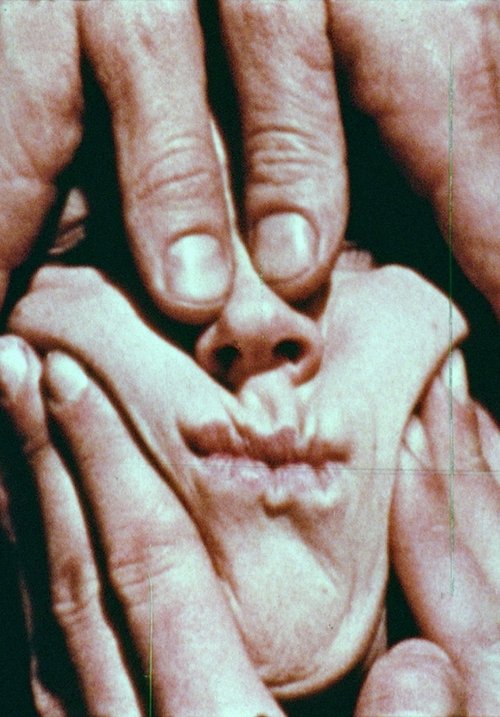
In this spin-off from his original plan for Relativity (1966), Emshwiller continued with his desire to penetrate “space in a kind of flying camera, a dream of flying, a kind of sensual, sexual imagery where you were constantly going into an unknown space.” A trio of dancers (Carolyn Carlson, Emery Hermans, Bob Beswick) appear "first in leotards, then in bluejeans, then naked, as they “pass through rituals of movement.”

The ten-year-old filmmaker (and star) pays homage to the Star Trek series.
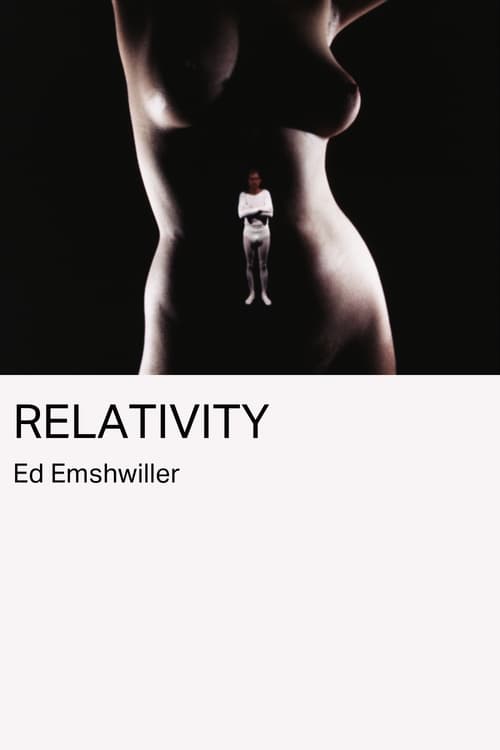
Emshwiller made this film on a Ford Foundation grant, and in his original proposal to the Ford Foundation, he outlined the film as "something that deals with subjective reality, the emotional sense of what one's perception of the total environment is -- sexual, physical, social, time, space, life, death."
Subscribe for exclusive insights on movies, TV shows, and games! Get top picks, fascinating facts, in-depth analysis, and more delivered straight to your inbox.