
Action
Adventure
Animation
Comedy
Crime
Documentary
Drama
Family
Fantasy
History
Horror
Music
Mystery
Romance
Science Fiction
Thriller
War
Western
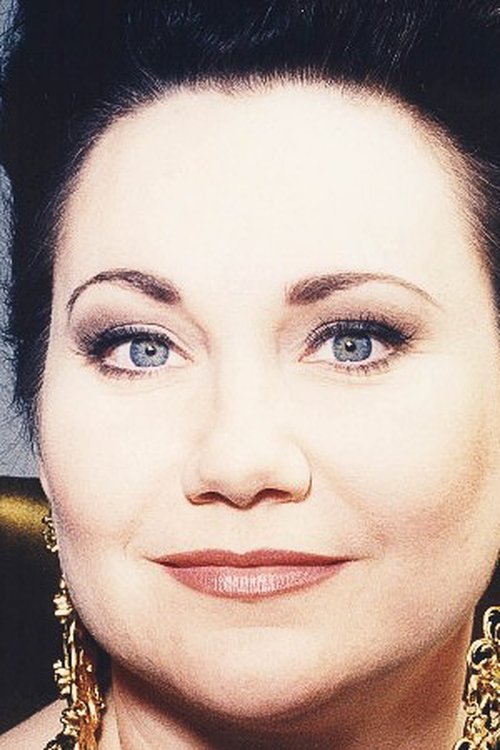
Cheryl Studer (born October 24, 1955) is an American dramatic soprano who has sung at many of the world's foremost opera houses. Studer has performed more than eighty roles ranging from the dramatic repertoire to roles more commonly associated with lyric sopranos and coloratura sopranos, and, in her late stage, mezzo-sopranos. She is particularly known for her interpretations of the works of Richa...
Explore all movies appearances
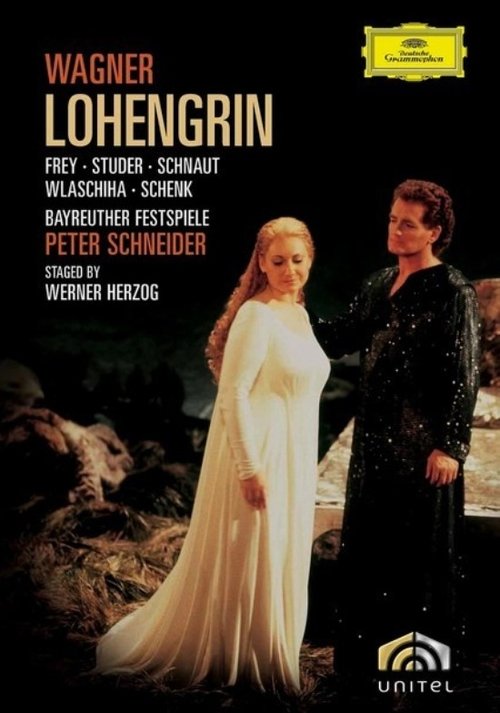
Richard Wagner's opera Lohengrin staged in 1987 by Werner Herzog in Bayreuth.
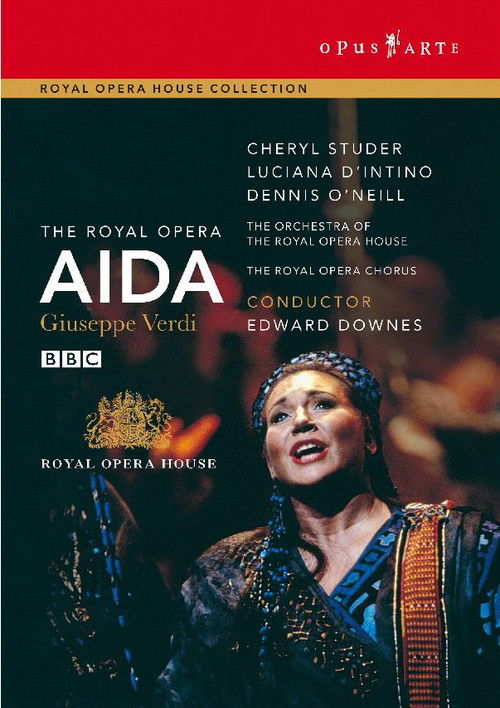
Cheryl Studer, in the title role, leads an excellent cast in Elijah Moshinsky's 1994 production of Verdi's extravagant and magnificent Egyptian opera. Aida was acclaimed at its first performance in 1871 and has grown in stature ever since to become one of the best-loved and most performed grand operas of all time.
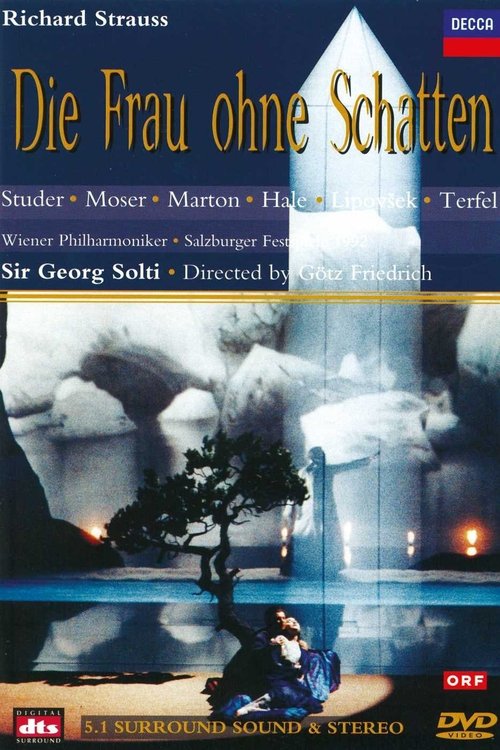
No plot available for this movie.
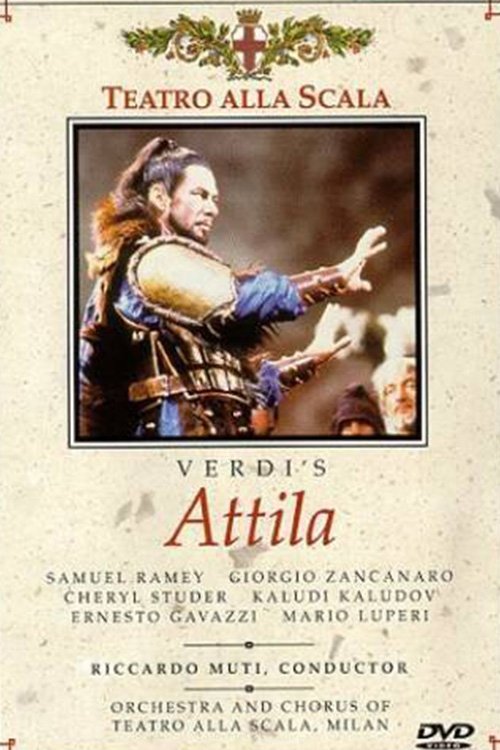
Live from La Scala 1991
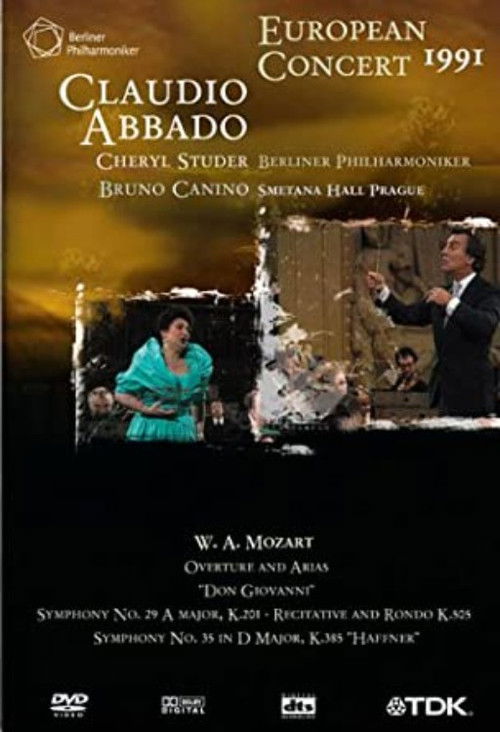
Wolfgang Amadeus Mozart: Overture and Arias from "Don Giovanni"; Symphony No. 29 in A major K. 201; Scena and Rondo for Soprano and piano forte obligato and Orchestra K. 505; Symphony No. 35 in D major K. 385 "Haffner" Documentary on the Berliner Philharmoniker and Mozart in Prague.
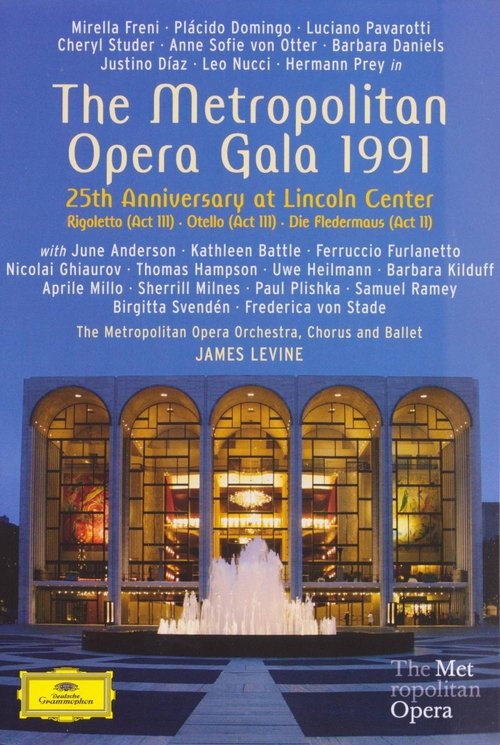
No plot available for this movie.
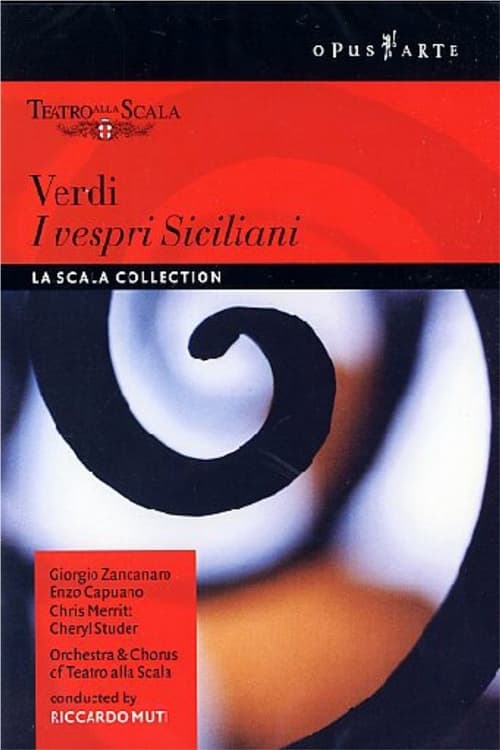
The story revolves around a Sicilian rebellion against the French, fueled by themes of oppression, freedom, and the personal costs of conflict. The opera explores a love triangle, a troubled father-son relationship, and culminates in a bloody uprising during a wedding celebration.
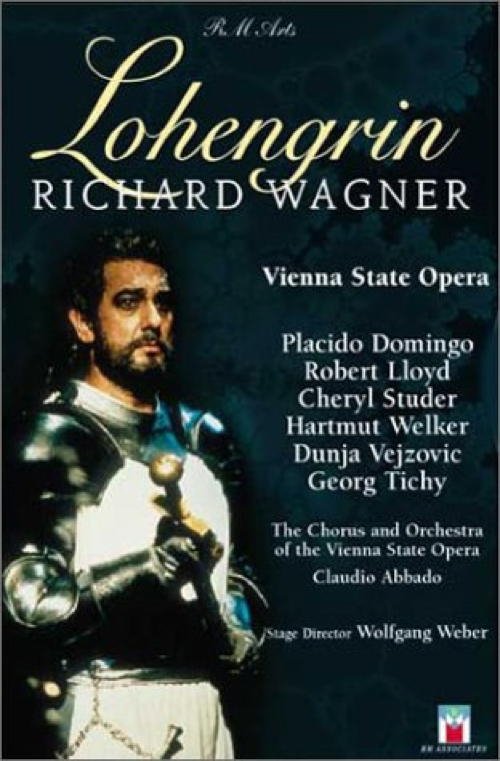
Lohengrin is a romantic opera in three acts composed and written by Richard Wagner.
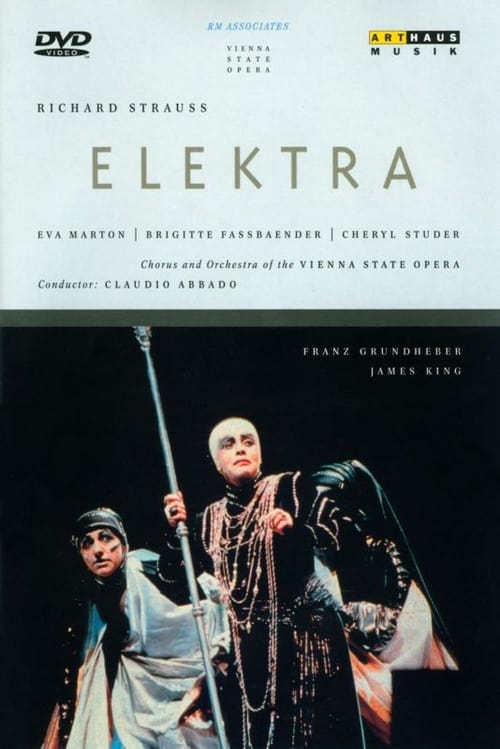
Recorded at the Vienna State Opera house in 1989, this staging of Richard Strauss and Hugo von Hofmannsthal’s Elektra is one of the glories of live opera on film, deserving of eternal availability. The DVD picture has great clarity, despite the darkness of Hans Schavernoch’s set design. Other than the cliché of a huge statue head, toppled on its side, the set manages to be suitably representative of a decaying palace as well as an imposing, theatrical space, dominated by the mammoth body of the statue from which the head apparently dropped, draped with the ropes that seem to have enabled the decapitation. Sooner or later most of the characters cling to and twist around those ropes, an apt stage metaphor for the remorseless repercussions from the murder of Agammenon by his unfaithful wife Klytämnestra and her paramour, Aegisthus. Reinhard Heinrich’s costumes capture a distant era while sustaining a creepily modern look — part Goth, part homeless, part Spa-wear.
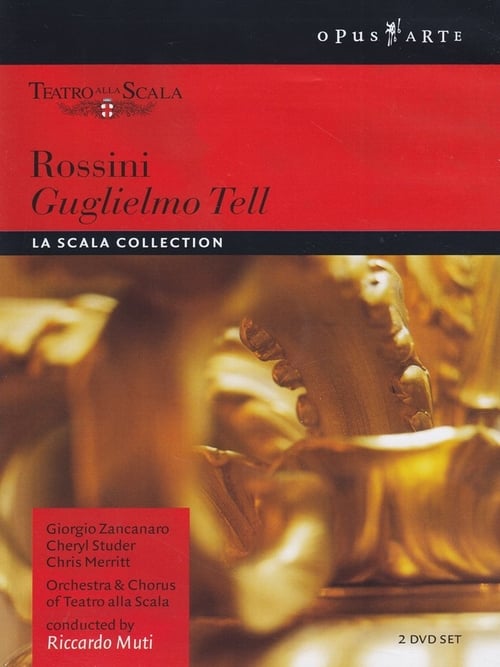
Live from La Scala Wednesday 14 December 1988.
Subscribe for exclusive insights on movies, TV shows, and games! Get top picks, fascinating facts, in-depth analysis, and more delivered straight to your inbox.