
Action
Adventure
Animation
Comedy
Crime
Documentary
Drama
Family
Fantasy
History
Horror
Music
Mystery
Romance
Science Fiction
Thriller
War
Western

Georg Ots (March 21, 1920 – September 5, 1975) was an Estonian singer, actor and People's Artist of the USSR (1960). Before studying singing with the Estonian baritone Aleksander Rahnel in Yaroslavl in the rear of the Eastern Front, where a cultural center for evacuated Estonians had been established, Ots was a young Navy Officer who had escaped a sinking ship and was taken prisoner in Russia. He...
Explore all movies appearances

The film highlights the two extremes of extraordinary singer Georg Ots - his extreme modesty about his own abilities and the often exaggerated, sometimes hyperbolic opinions of others. Throughout the film, these two aspects come together to form an understanding of the personality being portrayed.

The fire department is preparing for the New Year. Three activists of amateur performances decide to kidnap professional artists for a New Year's concert. A police captain investigates the kidnapping and listens to complaints from the “unkidnapped” artists.
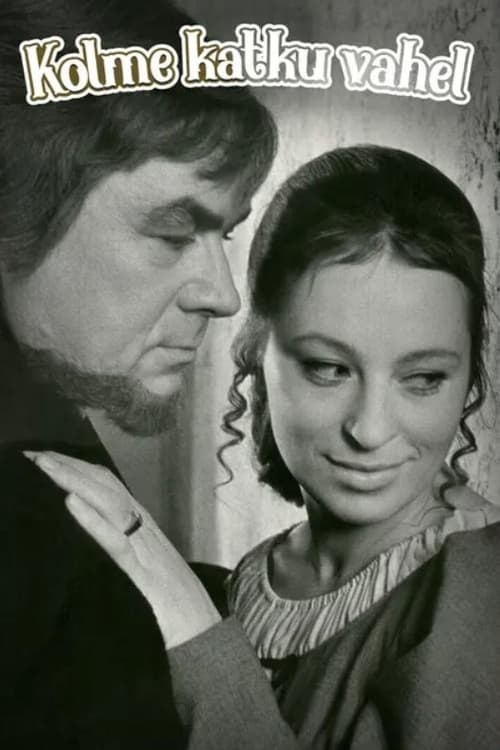
The story of Balthasar Russow, an Estonian pastor from the 16th century, his life and life's work - writing The Chronicle of Livonia.
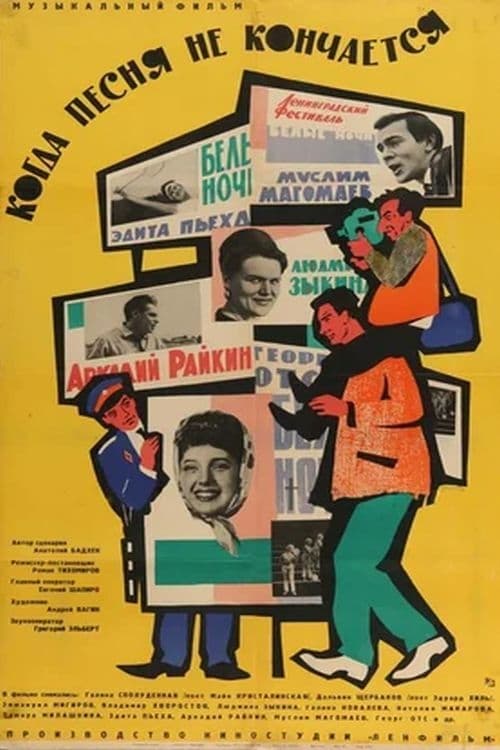
A combination of performances by masters of their arts, this film takes place during the Leningradskoye Leto – the Leningrad "White Nights" annual summer musical festival, featuring music stars, young opera singers, ballet, pop, circus, and amateur artists. Reporters Kostya and Bob are rushing everywhere trying to document the entire festival. Beautiful young singer Svetlana is pursued throughout the festive events by a hopelessly shy police lieutenant, whose unexpected infatuation leaves him unable to speak, but gives him a beautiful baritone voice.
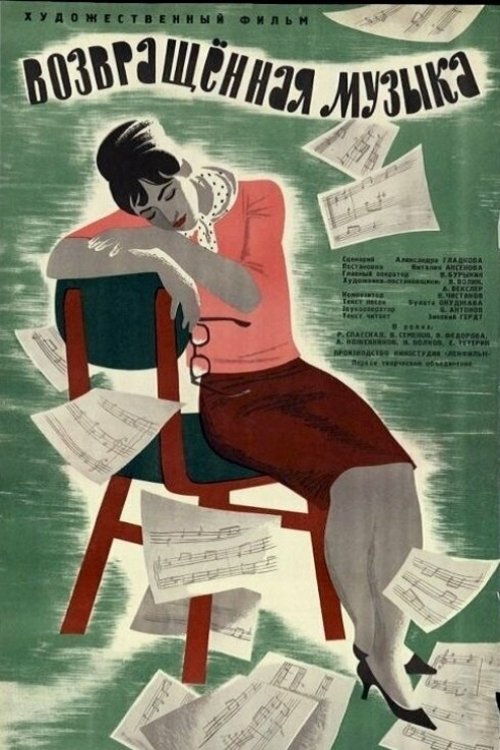
Young musicologist Marina Gabrielyan arrives in Leningrad with the aim of finding and restoring the first symphony by renowned composer Sergei Kornilov. Despite the composer's active resistance, she manages to find individual parts of the symphony and, with the help of young composer Gurov, restore the music.
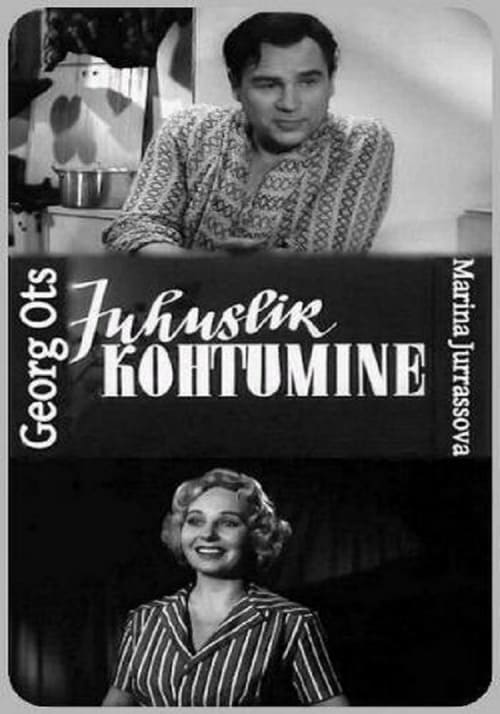
Rein is a successful singer but he and his group have a reason to worry – because of their worn-out repertoire their popularity is in danger. Philharmonic is already searching for new talents. When Rein hears a wonderful soprano voice from the concert hall, he will offer a remarkable young lady - whom he considers to be the owner of the voice - the opportunity to perform. Rein has no idea that actually the voice belongs to another girl whom he has once met in a quite extraordinary situation and who has introduced Rein's new song to the whole town.

The Demon (1960) is a Soviet opera-film based on the eponymous opera by Anton Rubinstein. The plot derives from Lermontov's Demon, a poem which was banned for decades due to its sacrilegious content. The titular demon is a fallen angel, a figure of negation and a brooding anti-hero. He falls in love with Tamara but his love destroys her. The Demon is played by the brilliant Estonian singer Georg Ots.
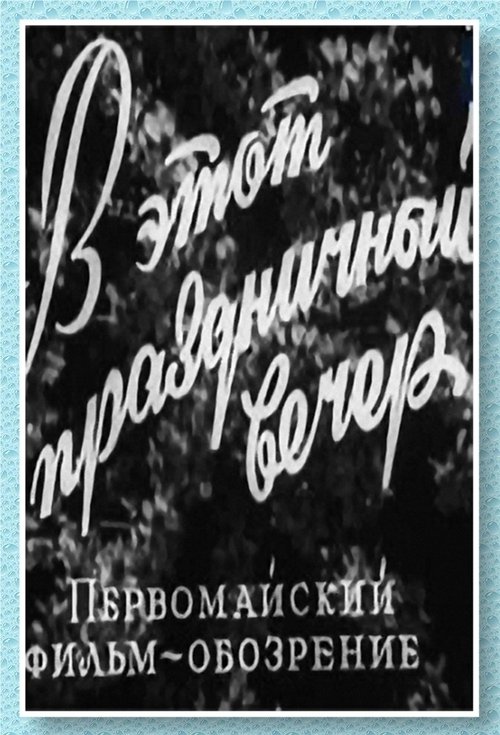
A musical film review. On the festive evening of May Day 1959, viewers will join the film's creators on a tour of Moscow, its streets and squares, meeting their favorite artists. And they will see how joyfully Muscovites celebrate the holiday of Spring!
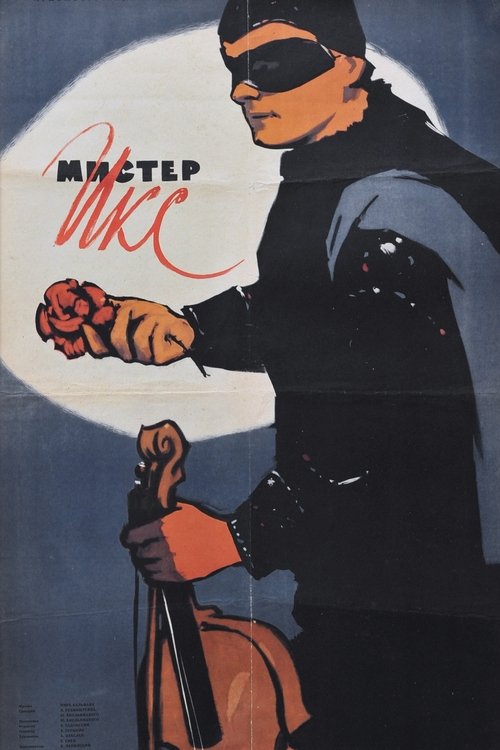
A mysterious man under the name Mister X performs in the circus, playing violin on a chair suspended in the air by ropes. His breathtakingly sad melodies reflect his internal turmoil - he's in love with a noble lady and this relationship is frowned upon in their society.

When Paul Runge, a soldier of the Red Army, returns home to Koordi after the war, he sees that, despite the new regime, life in Koordi hasn't changed. It's still a abandoned, uncultured Estonian village, where rich landlords still oppress the population. Runge starts talking about founding a kolkhoze.
Subscribe for exclusive insights on movies, TV shows, and games! Get top picks, fascinating facts, in-depth analysis, and more delivered straight to your inbox.