
Action
Adventure
Animation
Comedy
Crime
Documentary
Drama
Family
Fantasy
History
Horror
Music
Mystery
Romance
Science Fiction
Thriller
War
Western
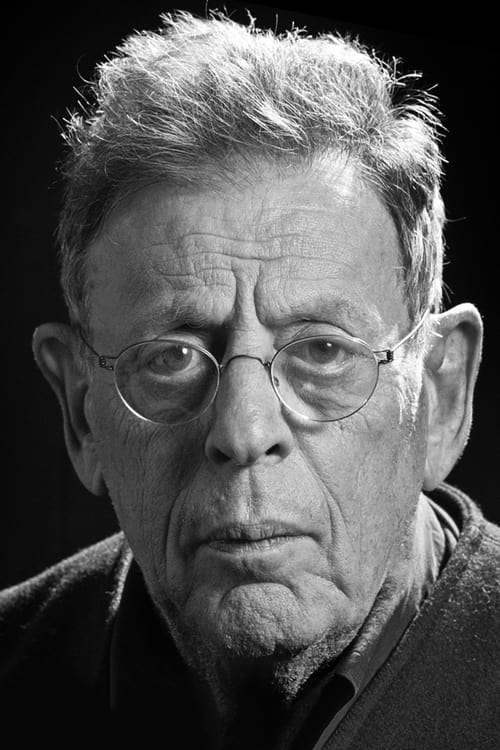
Philip Morris Glass is an American composer. He is one of the most influential music makers of the late 20th century. His music is also often controversially described as minimal music.
Explore all movies appearances
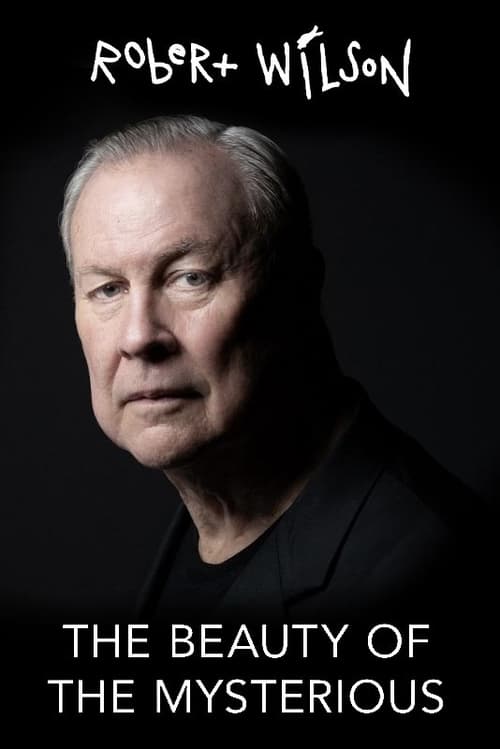
We look back at more than half a century of mysterious artistic creation while trying to crack a unique artistic code. Why are people moved to tears when Robert “Bob” Wilson puts minimalistic petrol pumps into a production of Shakespeare’s sonnets? Why does merciless repetition change our understanding of something? Together with Tom Waits, Willem Dafoe or Marina Abramović we trace back our own experience of Bob’s art. Is it true what Philipp Glass the collaborator of the milestone piece “Einstein on the Beach” laughingly and with apparent pleasure exclaims “what does it mean? It doesn’t mean anything!”?

The musical journey between Mexican Wixárika musician Daniel Medina and American composer Philip Glass.
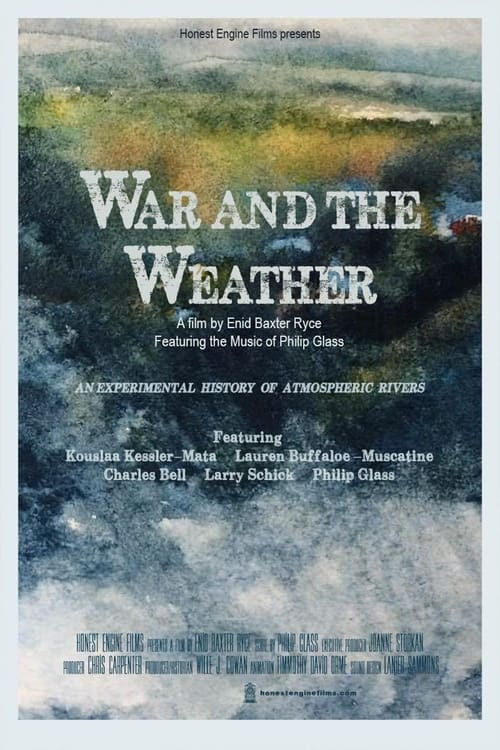
Artist Enid Baxter Ryce created an experimental documentary with a musical score by Philip Glass to portray, in moving images, the history of "atmospheric rivers," or streams of water vapor in the sky. Just like rivers that move water around on the land, atmospheric rivers—never visible to the naked eye—were a vital force in shaping the colonization of the American West. Today, the evolving scientific and cultural understandings of atmospheric rivers exemplify the complexity and importance of the stories we tell ourselves about science, climate, and the natural world. This film was created at the Days and Nights Festival held at the Philip Glass Center for the Arts, Science, and the Environment.
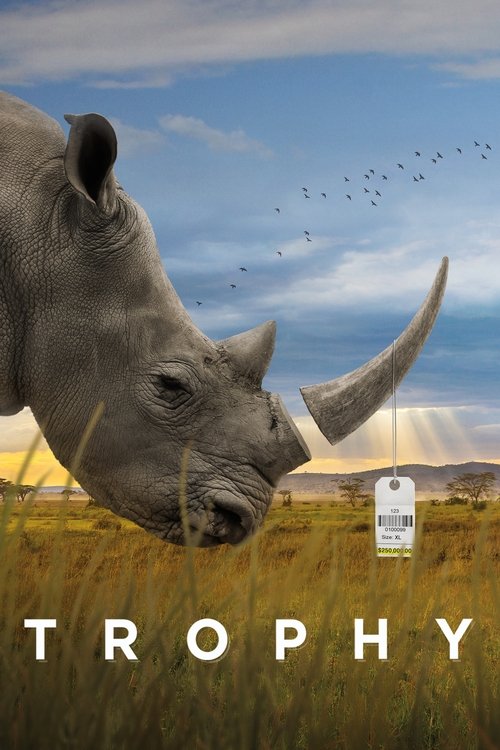
This in-depth look into the powerhouse industries of big-game hunting, breeding and wildlife conservation in the U.S. and Africa unravels the complex consequences of treating animals as commodities.

In his 1992 documentary "Compassion in Exile", filmmaker Mickey Lemle created a groundbreaking portrait of the 14th Dalai Lama. His new film takes a fresh look at what is important for His Holiness, who is now in his 80s: the historic confrontation between Tibet and China; his influence in political, spiritual and educational spheres; his work with neuroscientists; and his personal feelings on aging, dying and whether he will be the last Dalai Lama. His impact on the West has grown over the 25 years since the earlier film, and we see some of his influence at work in classes and scientific studies. Artfully weaving interviews and accounts from family, friends and people he inspired, this film vibrantly conveys the Dalai Lama’s humor, wisdom and compassion
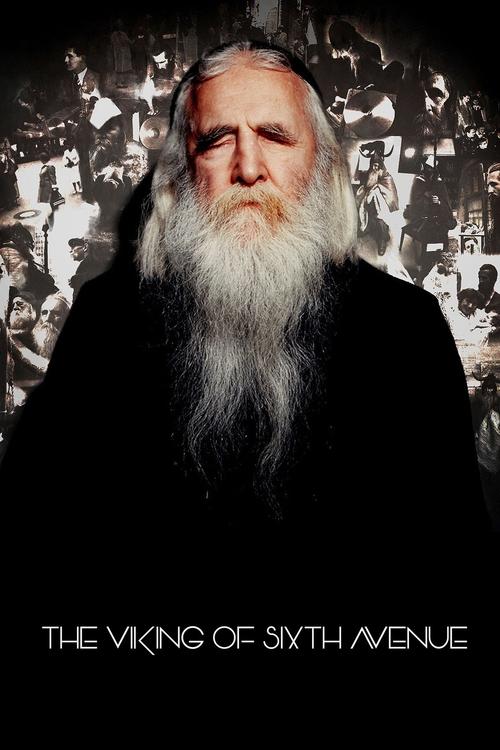
A documentary about the colorful life, times and music of a true original, Louis “Moondog” Hardin, an eccentric blind musician and composer who had far-reaching artistic influence in spite of a deliberate decision to live on the streets of New York City. With a wealth of never before seen archival film, home movies and rare audio recordings, the film is told largely from Moondog’s perspective and features interviews with Moondog’s friends, family, collaborators and musicians who cite him as an influence, including Jarvis Cocker, John Zorn, Chris Stein and Debbie Harry, Damon Albarn, Philip Glass, and many more.
A documentary that explores the challenges that a life in music can bring.
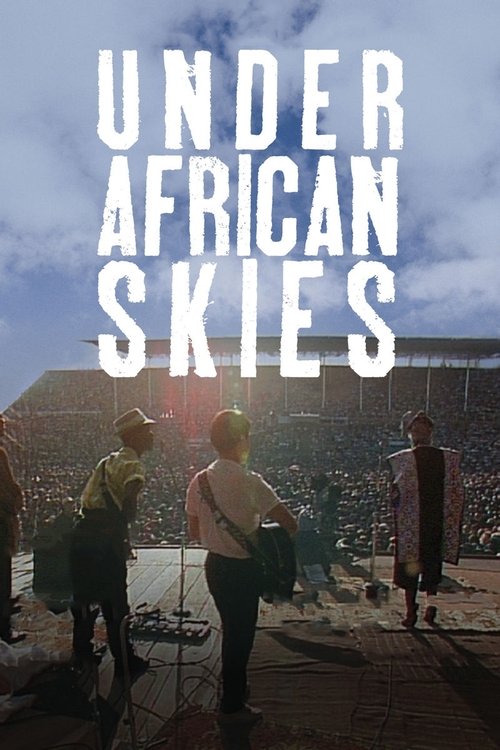
Paul Simon returns to South Africa to explore the incredible journey of his historic Graceland album, including the political backlash he received for allegedly breaking the UN cultural boycott of South Africa designed to end the Apartheid regime. On the 25th anniversary of Paul Simon's GRACELAND, acclaimed documentary filmmaker Joe Berlinger offers a glimpse at the controversy surrounding the decision to record the album in South Africa despite a UN boycott of the nation, which was aimed at ending apartheid. In the run-up to an eagerly anticipated reunion concert, Simon, Quincy Jones, Peter Gabriel, David Byrne, Harry Belafonte, Paul McCartney and others reflect on the decision to record with local artists in South Africa, and the cultural impact of the album that delivered such hits as "I Know What I Know" and "You Can Call Me Al."
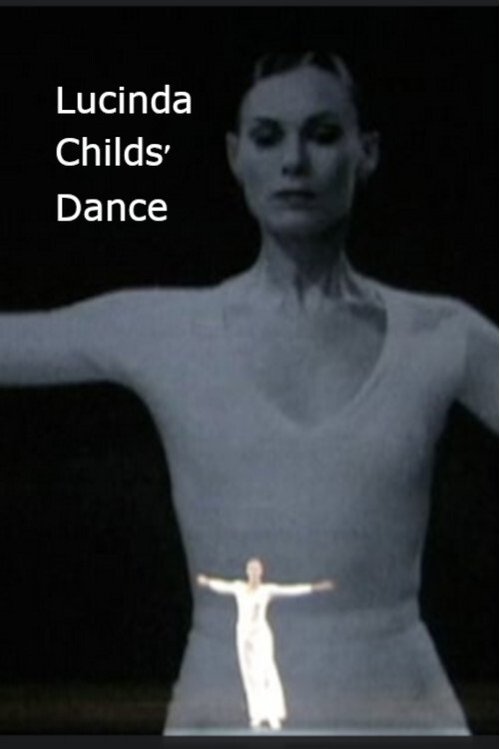
A documentary about the American postmodern dancer and choreographer Lucinda Childs. For Dance, a choreography from '79 set to the music of Philip Glass in film/decor of Sol Lewitt, Lucinda received a Guggenheim Fellowship. This masterpiece is the leitmotiv in this documentary. We see Lucinda in NY where she re-stages Dance during the Lincoln Center Out of Doors 2010. We also follow her in Arnhem during the preparations of the piece at Introdans, where it will premiere as a part of ”Sterren en Strepen” (Stars and Stripes). For this show Introdans united the king and queen of modern dance, Hans van Manen and Lucinda Childs, in order to show their pieces together. We will also be speaking to prominent figures from the dance scene about her influence on Dutch modern dance.

The story of music and the music industry told through interviews with musicians, composers and producers across genres.
Subscribe for exclusive insights on movies, TV shows, and games! Get top picks, fascinating facts, in-depth analysis, and more delivered straight to your inbox.