
Action
Adventure
Animation
Comedy
Crime
Documentary
Drama
Family
Fantasy
History
Horror
Music
Mystery
Romance
Science Fiction
Thriller
War
Western

The international breakthrough happened for the Latvian soprano MARINA REBEKA with her debut at the Salzburg Festival in 2009 as Anaï (Moïse et Pharaon). Since then, she has been a regular guest at the world' most famous opera and concert stages, among others the Met and Carnegie Hall, the ROH Covent Garden, at the Salzburg Festival, the Scala, the Deutschen Oper Berlin, the Bavarian and Hamb...
Explore all movies appearances

In 1873, brave men known as the New Latvians held the first-ever Latvian song festival under the watchful eye of oppressive censorship. This massive celebration, featuring 1,003 singers – both men and women – changed the course of the nation’s history. It stands as a unique example of non-violent resistance in the fight for freedom against imperialism, led by Latvia’s entrepreneurs, writers, publicists and ordinary villagers.
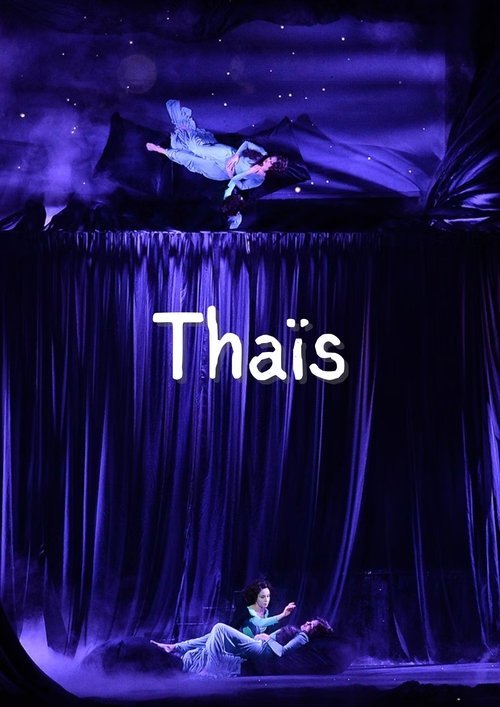
"Dare to come, you who defy Venus!" cries Thaïs, the priestess of Venus, to ascetic monk Athanaël, determined to save her soul by converting her to Christianity. This challenge precipitates the action of Thaïs, Massenet's operatic masterpiece, staged here by Jean-Louis Grinda at the Opéra de Monte-Carlo with Jean-Yves Ossonce conducting!
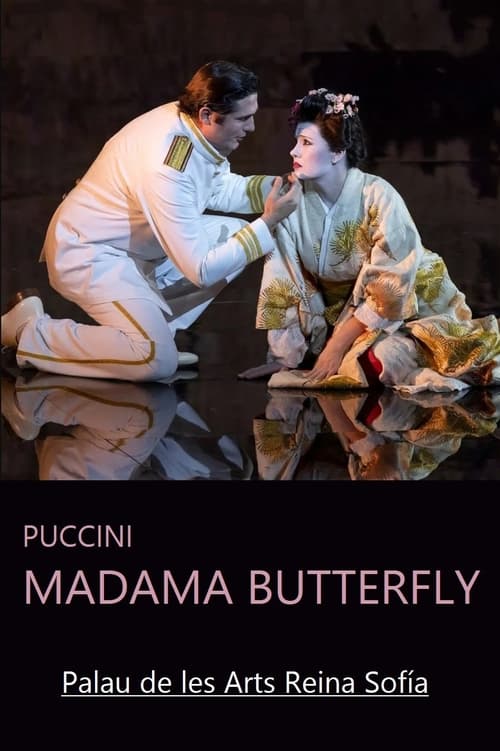
A guileless Japanese girl gives up everything to marry a lieutenant in the US Navy. But when he suddenly leaves the country, she is determined to wait patiently until he sails back into harbour. Live from Valencia's iconic Palau de les Arts, the audience favourite Madama Butterfly returns with soprano Marina Rebeka and tenor Piero Pretti in the leading roles. Director Emilio López’s staging culminates in the bleak landscape of Nagasaki destroyed by the atomic bomb to evoke Puccini's early outcry against the soul-crushing spirit of colonialism.
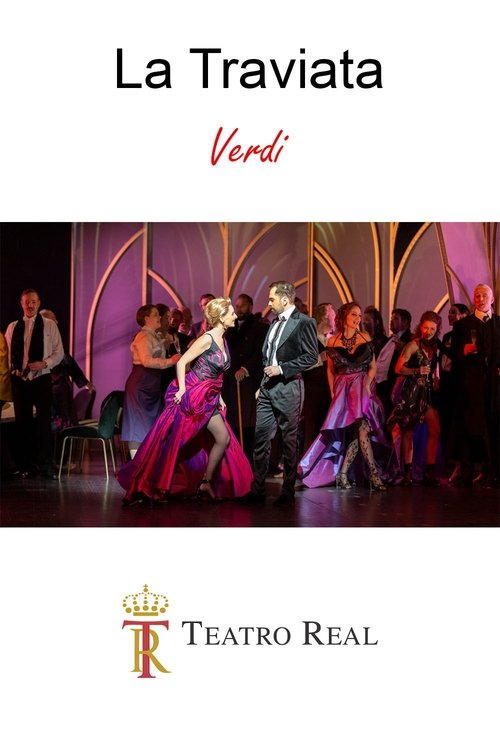
Time is running out for Violetta. Her illness is relentless, as are her feelings for her young admirer. As her past as a Parisian courtesan catches up with her, his provincial family is determined to break up their scandalous affair. Verdi’s La traviata is without a doubt one of the most moving stories in the operatic canon. Teatro Real’s semi-staged concert version recorded in July was one of the first productions to be put on worldwide after the lockdown. The ambitious undertaking weaves reality into its staging concept and features a spectacular cast led by Marina Rebeka, Michael Fabiano and Artur Ruciński.
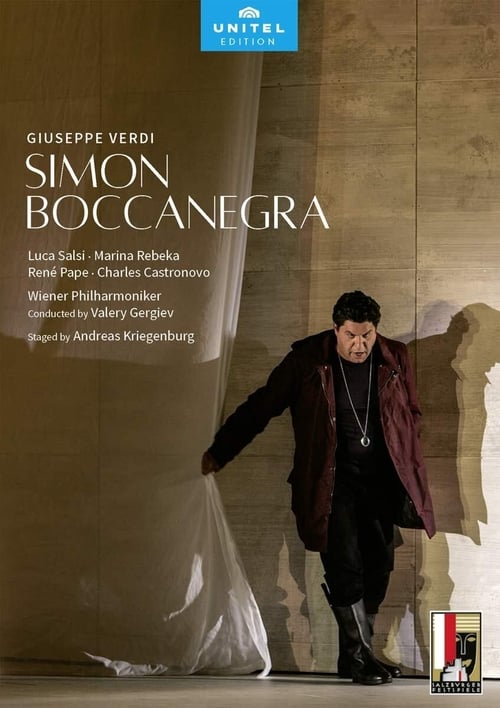
Power struggles among rival families in 14th-century Genoa, a story of tragic love, a young girl gone missing… Verdi’s Simon Boccanegra combines the perfect ingredients for gripping dramatic opera with a strong political message. On the stage of the Salzburg Festival, this sharp critique of power set to music is brought to life by the voices of Luca Salsi, Marina Rebeka, René Pape, Charles Castronovo, and others, who join the exceptional Valery Gergiev for a captivating performance.
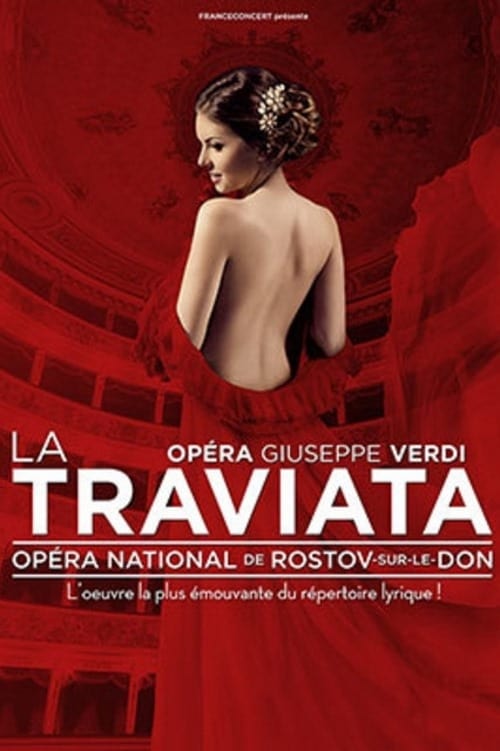
"This is Vienna State Opera live at home". March 2015.
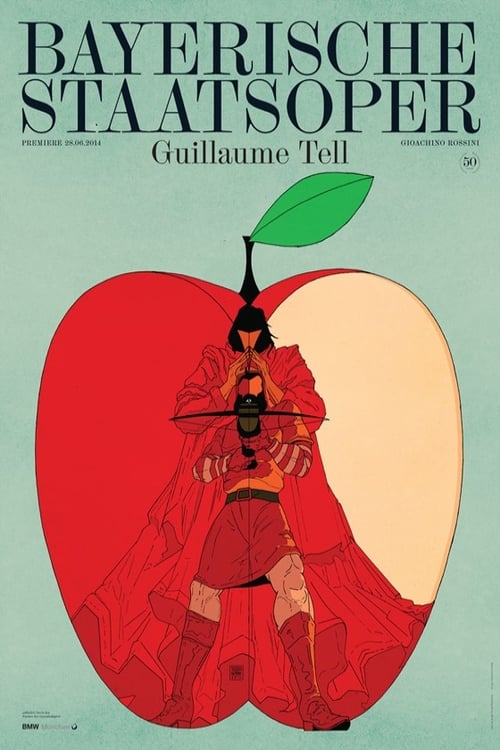
Live from Munich June 2014. Guillaume Tell , in a new production by 30-year-old Wunderkind stage director Antú Romero Nunes, opens this year’s Munich Opera Festival with an orgy of fabulous singing.
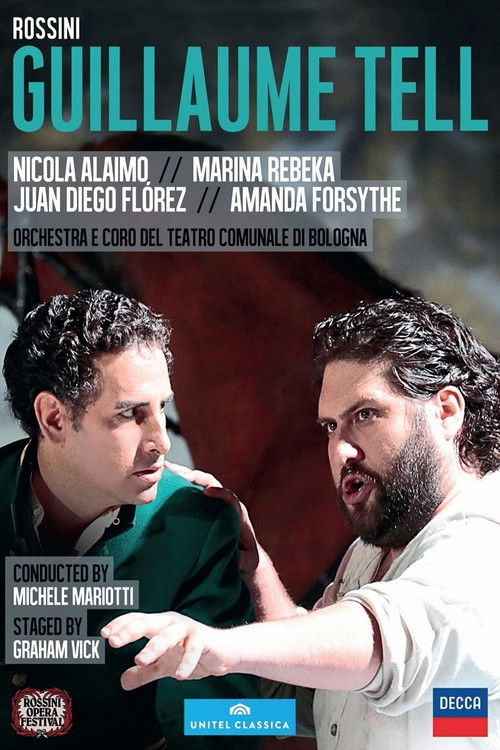
The hero of this admirably complete August 2013 Guillaume Tell from Pesaro is homegrown maestro Michele Mariotti. The inimitable overture is (mercifully) unstaged and terrifically played, with splendid cello and flute solos: the fine standard never flags. Rossini’s extraordinary 1829 score audibly presages Meyerbeer, Berlioz, Glinka, Verdi and Wagner, among many others. Graham Vick’s direction privileges class conflict, with a clenched fist on the red-and-white forecurtain. The Edwardian costumes place Austrians in white evening garb; the black-clad Swiss polish the floor while the rulers savor a filming (much of that to follow) — the fisherman Ruodi, in a boat with a blonde and fake scenery, with Tell and his family providing tech support. Vick deploys geographical and historical kitsch liberally but not (always) pointlessly. Ron Howell’s pretentious, mannered choreography, however, beggars belief.
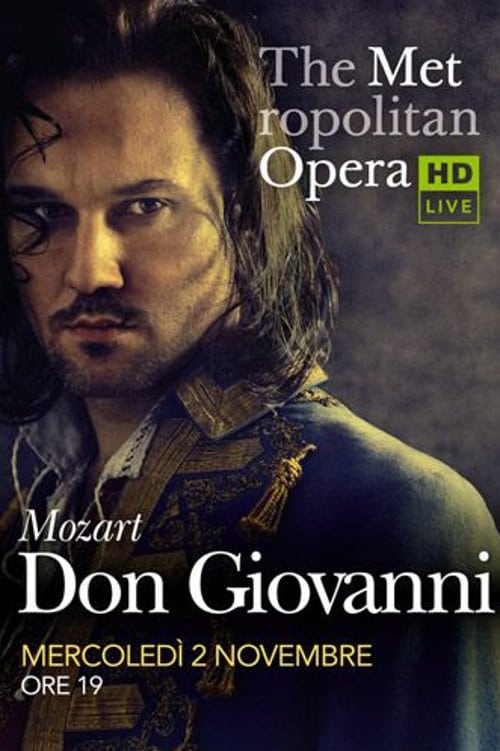
Imbuing the familiar Don Juan myth with a captivating combination of comedy, seductiveness, danger, and damnation, Mozart created an enduring masterpiece that has been a cornerstone of the repertory since its 1787 premiere. The opera offers a rare opportunity for two baritones to star alongside one another as the title Lothario and his faithful yet conflicted servant, Leporello, as well as three memorable female roles—multifaceted women who both suffer the Don’s abuses and plot their revenge.
Subscribe for exclusive insights on movies, TV shows, and games! Get top picks, fascinating facts, in-depth analysis, and more delivered straight to your inbox.