
Action
Adventure
Animation
Comedy
Crime
Documentary
Drama
Family
Fantasy
History
Horror
Music
Mystery
Romance
Science Fiction
Thriller
War
Western
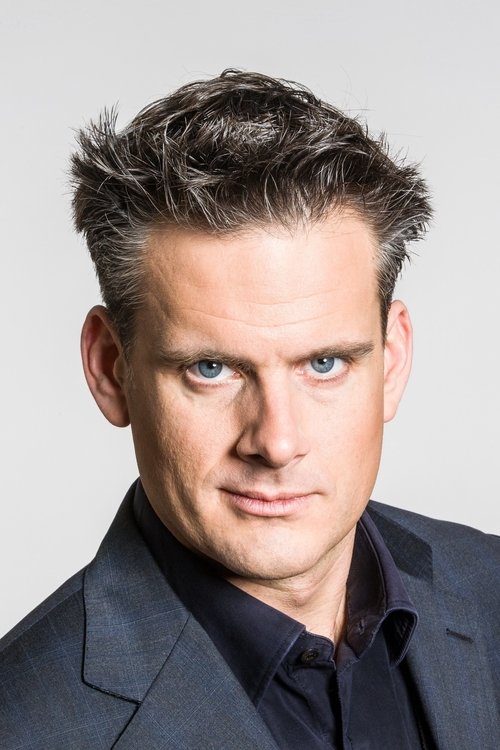
Philippe Jordan (born 18 October 1974) is a Swiss conductor and pianist. Born in Zürich, the son of conductor Armin Jordan, he began to study piano at the age of six. At age eight, he joined the Zürcher Sängerknaben. He has acknowledged that he wished to become a conductor, like his father, at age 9. His violin studies began at age 11. At 16, he entered the Zürich Conservatory where he obtained h...
Explore all movies appearances
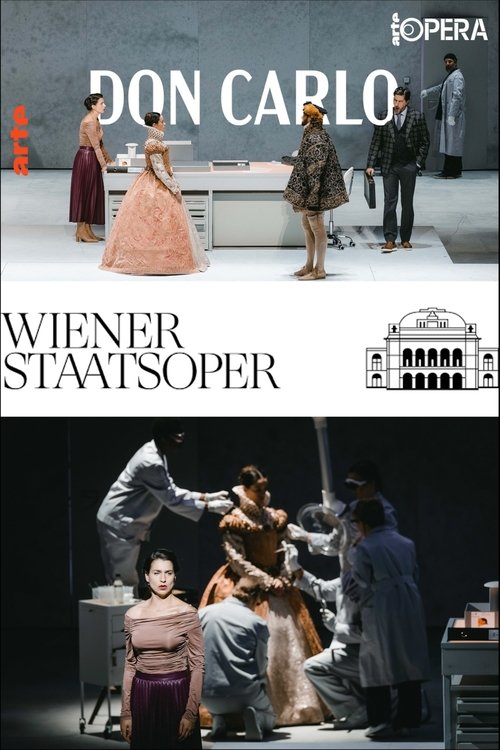
Production of the Vienna State Opera, October 2024. Inspired by a visit to the Kyoto Costume Institute in Japan, director Kirill Serebrennikov brings the plot of Don Carlo into a contemporary context. He was also inspired by this institute for his stage design - after all, original objects from all eras and cultures are kept there and prepared and stored accordingly to protect them from decay.
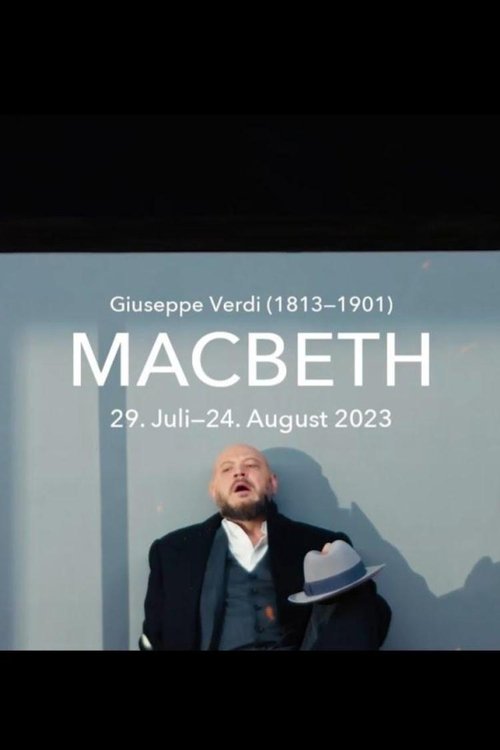
After a victorious battle, three witches predict that Macbeth, who commands King Duncan's army, will ascend the throne of Scotland. Urged on by his wife to force fate, he takes advantage of the monarch's stay in their castle to murder him... The daring Krzysztof Warlikowski revisits Verdi's most powerful Shakespearean opera, with baritone Vladislav Sulimsky and soprano Asmik Grigorian in the roles of the murderous spouses.
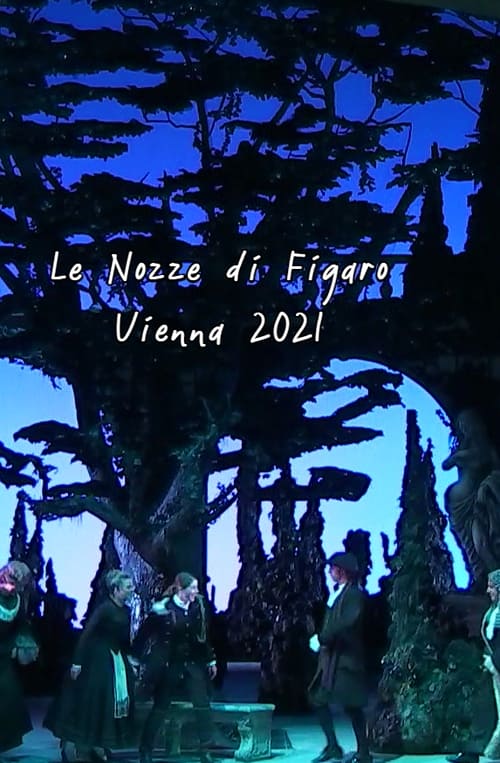
Mozart's opera The Marriage of Figaro performed live (and streamed) on the February 4, 2021.
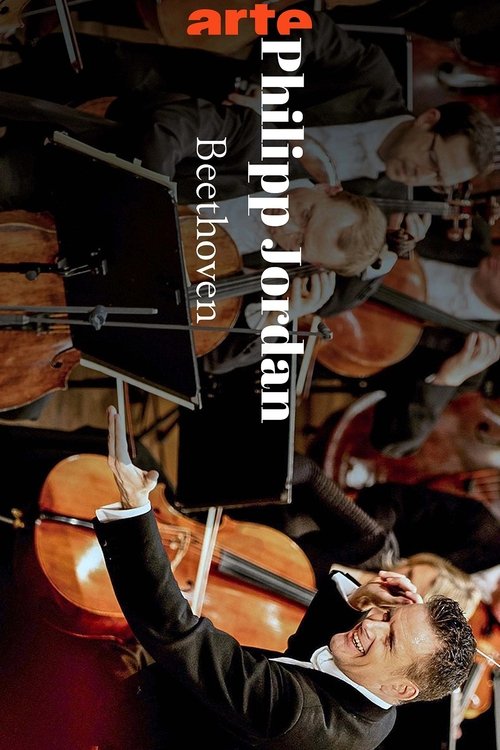
On 22 December 1808, four works by Ludwig van Beethoven were premiered at a major concert in Vienna: Symphony No. 5, Symphony No. 6, known as the ‘Pastoral’, Concerto for piano and orchestra No. 4 and the Fantasy for piano, choir and orchestra. Philippe Jordan and the Vienna Symphony Orchestra recreated this historic musical moment on 11 January 2020 in the Vienna Konzerthaus.

The high-point of the 2017 Bayreuth Festival, Barrie Kosky’s astonishingly entertaining and convincing new Meistersinger is a triumph: a production of enormous insight and great quality... that plumbs the depths of both the opera and its composer.
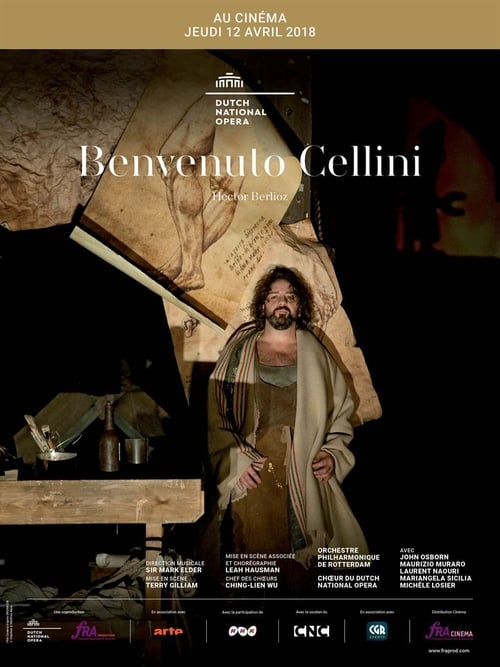
The Florentine sculptor and silversmith Benvenuto Cellini rapidly attained a degree of renown that went beyond the confines of Italy. Invariably embroiled in conspiracies, intrigues and quarrels, Cellini is commissioned by the Pope to cast a large sculpture of Perseus. He is loved by Teresa, but she is promised to Fieramosca, an academic artist who has not been favoured with a papal commission. Terry Gilliam’s exuberant production draws the protagonists into a delirious and joyful yet claustrophobic and megalomaniac world: a flaring up of contagious madness.
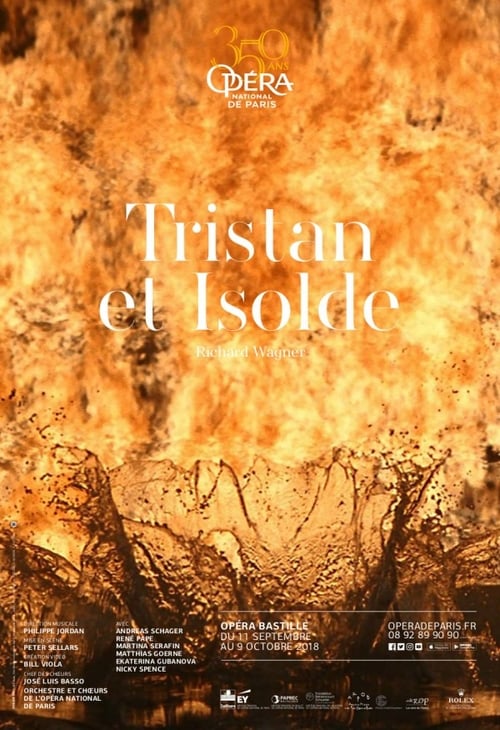
Motivated by the love that bound him to Mathilda Wesendonck, Richard Wagner’s composition of Tristan und Isolde goes far beyond any simple operatic gesture. Peter Sellars’ production pours oil onto this troubled sea of emotions in an almost dematerialised setting bared of all earthly contingencies whilst Bill Viola presents the lovers’ initiatory quest for nirvana in videos detached from the stage, suspended like altarpieces.
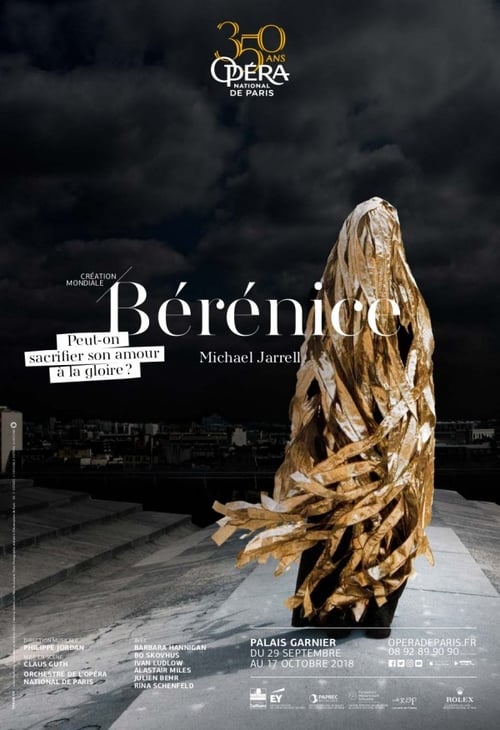
Titus and Berenice love each other; under the watchful eye of Antiochus, the hopeless lover, they try yet refuse to understand each other. Taking up the “majestic sadness” of these alexandrines, among the greatest verses in the French language, Michael Jarrell amplifies the power of words, making them a vehicle for spaces and identities that, from Rome to Jerusalem, are unceasingly questioned.
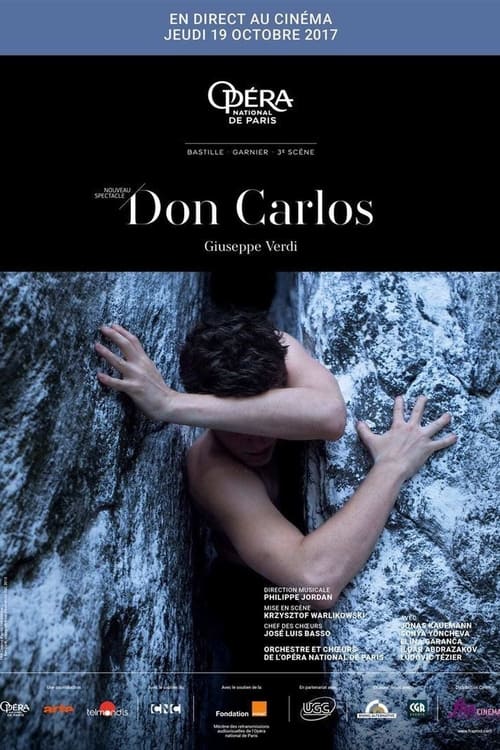
Set in 16th-century France and Spain, Don Carlos tells of the political and amorous rivalry between King Philip II and his son, Don Carlos, over Elisabeth de Valois. Krzysztof Warlikowski strips down a tragedy haunted by ghosts, and places the intimate at the heart of an imaginary fresco truer than history itself. Along with Philippe Jordan, he reveals to the public the very first version of this great five-act opera: the version modified by Verdi himself for the work’s first performance in 1867.
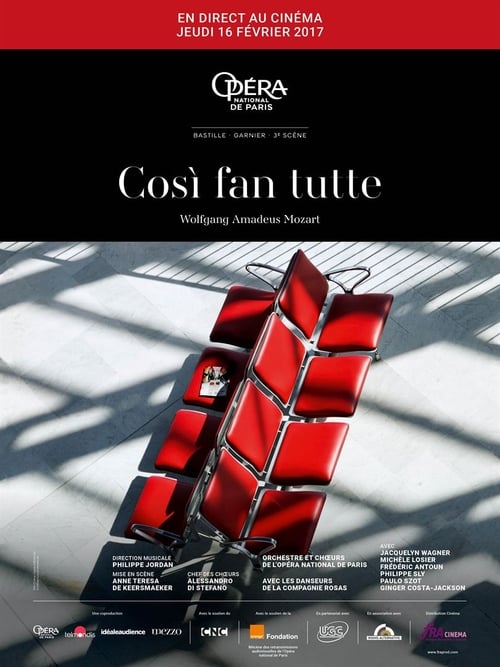
Prompted by Don Alfonso, a cynical old philosopher, two young idealists decide to put their lovers’ fidelity to the test. But love will teach them a bitter lesson: those who believe themselves phoenixes and goddesses will discover the desires of the flesh… In 1790, one year after the French Revolution, in what would be their final collaboration, Mozart and Da Ponte conduct a scientific investigation of love. With six singers doubled by six dancers, Anne Teresa De Keersmaeker depicts the desire which unites and separates human beings, like the interactions between atoms that, once broken, make new bonds possible
Subscribe for exclusive insights on movies, TV shows, and games! Get top picks, fascinating facts, in-depth analysis, and more delivered straight to your inbox.