
Action
Adventure
Animation
Comedy
Crime
Documentary
Drama
Family
Fantasy
History
Horror
Music
Mystery
Romance
Science Fiction
Thriller
War
Western
Explore all movies appearances
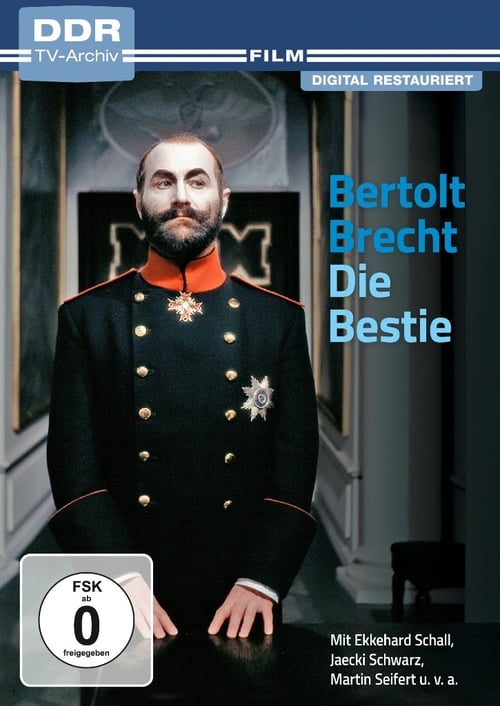
Moscow in the 1920s. A film about the pogroms in southern Russia is being made in a studio. The name of the notorious tsarist governor Muratov, also known as "The Beast", symbolizes the crimes of the time. During filming, an old, decrepit man comes forward who wants to be in the movie because of his resemblance to Muratov. Could it be possible that this man is the real Muratov? Everyone is so preoccupied with the realization of the material that this incident remains hidden. As artists, everyone has their own visions - which often bypass reality ...

Against the historical background of the occupation of Paris by the German Wehrmacht, the story of a German émigré child who finds shelter with a French working-class family is told.

The six-part film series tells in impressive stages of the work of important doctors at the internationally renowned Berlin hospital in its medical and contemporary historical scope. The period spans the beginning of the 19th century to the Second World War, bringing the viewer close to the work of great medical professionals: Robert Koch, Ferdinand Sauerbruch, Rudolf Virchow and others. Film overview: • "The man from Jena" (Christoph Wilhelm Hufeland). • "The Little Doctor" (Rudolf Virchow) • "Krisis" (Robert Koch). • "Doctor in Uniform" (Theodor Brugsch and Georg Friedrich Nicolai). • "The seemingly impossible" (Walter Stoeckel) • "Die dunklen Jahre"(Ferdinand Sauerbruch)
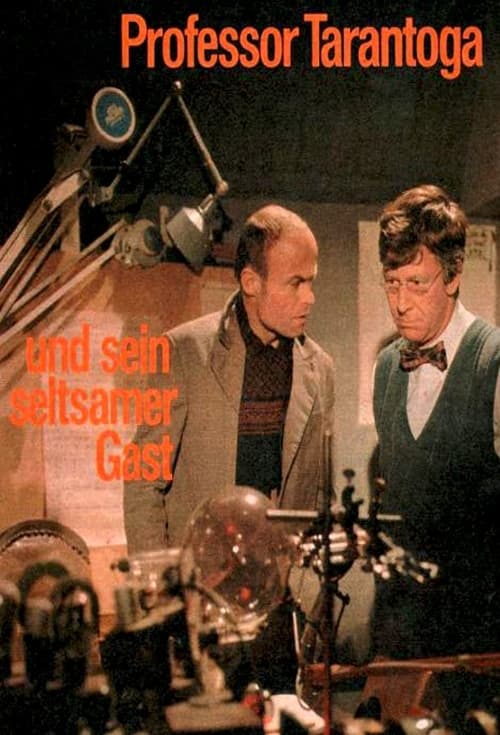
With an open mind and the meticulousness of a scientist, Professor Tarantoga meets his strange guest, who has made contact with him from a psychiatric institution. The eccentric introduces himself as Novak on one occasion and Hippekorn on another. Hippekorn comes from the future, more precisely from the second half of the 35th century. Professor Tarantoga patiently tries to find out whether the man is simply crazy or actually an alien from another time and world.
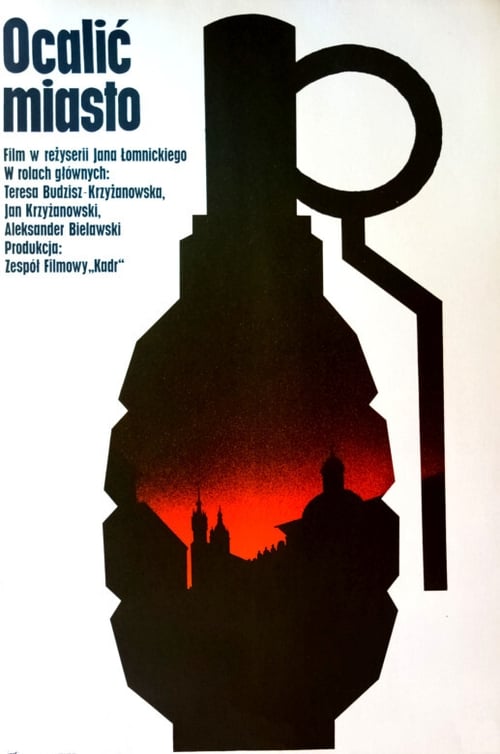
1945. Soviet offensive is approaching Cracow. Local resistance cooperate despite political differences to save the city from destruction planned by Germans.
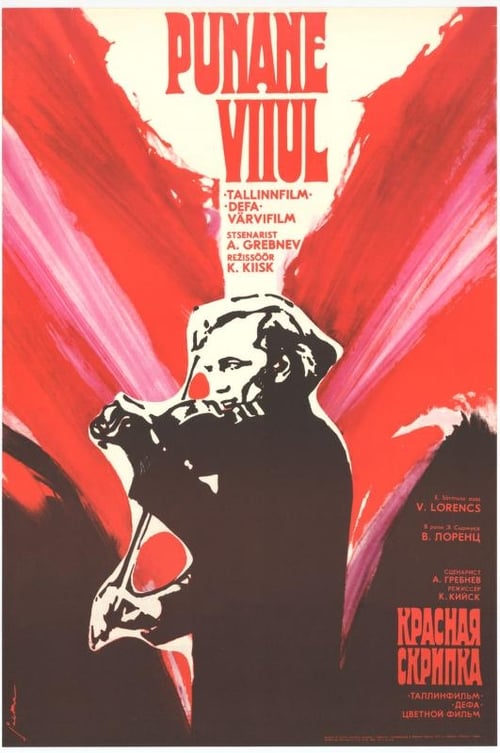
When Estonian violinist Eduard Sõrmus starts his concert tours in Europe, he is convinced that the world revolution is about to begin. His mission as a Red Violinist is to call the proletariat around the world to join with the revolution. It is only two things - music and revolution - that Eduard has dedicated himself to. His audience is enchanted by his performance and ignited by his ideas. With this knowledge, he travels Europe between the two world wars, accompanied by his faithful friends, his audience's admiration and the hostility of the authorities.
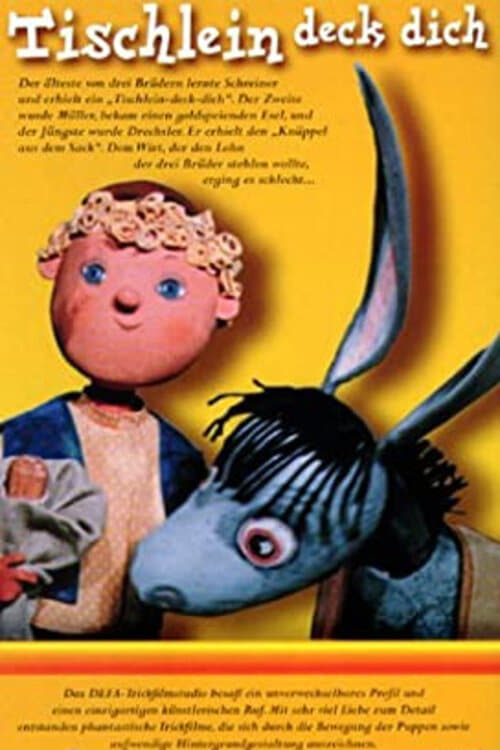
A tailor drives his three sons out of the house because he believes they have maliciously starved his beloved goat. The sons prove themselves abroad and return home with special gifts. Two of the brothers are cheated out of their wages on the way. The youngest brother exposes and punishes the thief, and everyone can enjoy the miraculous gifts.
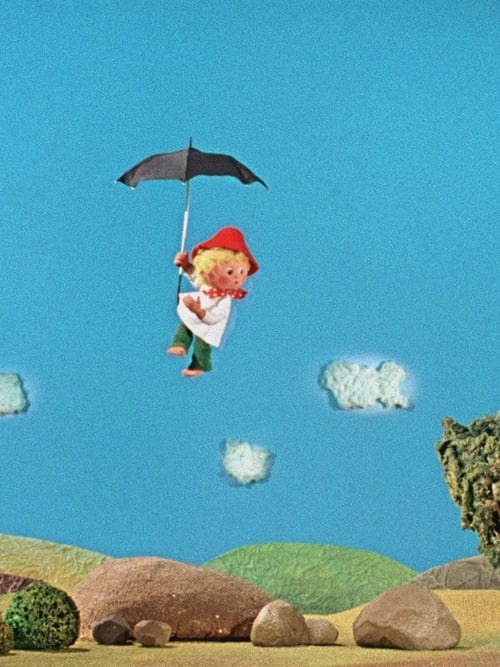
Paulchen the Hazelnut has a beautiful flower. He is always in trouble with the wind that lives behind his house on the mountain. This villain kidnaps the flower and locks it up in the mountain. Paulchen takes up the fight with the wind, but it simply blows him away. Paulchen makes friends and together they manage to tame the wind.
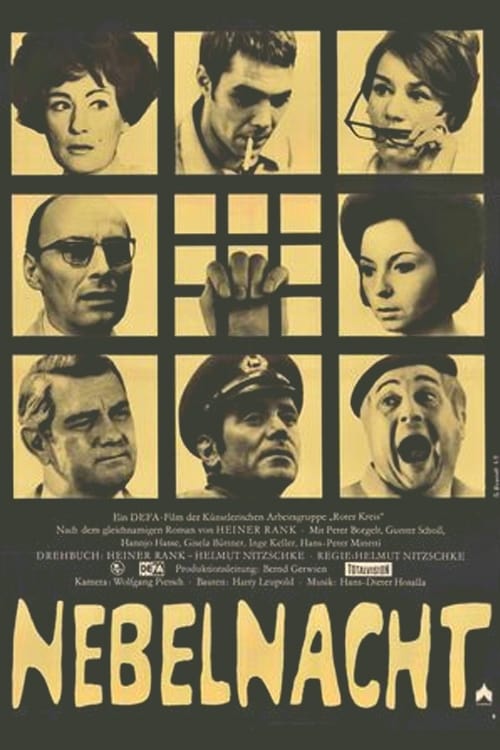
When a motorcyclist dies in an accident, lieutenant Kreutzer and his colleague Arnold receive the order to investigate the backgrounds of this mysterious case. Although the leads point to murder, head physician Dr. Nikolai, the driver of the car involved in the accident, maintains his innocence and even has an alibi. With a lot of arduous detail work, Kreutzer follows all leads and evidence. Both Nikolai’s colleagues and his son act suspiciously. Eventually, Kreutzer convicts the criminal who secretly used the physician’s car for his criminal dealings.

a tv-movie by Frank Beyer
Subscribe for exclusive insights on movies, TV shows, and games! Get top picks, fascinating facts, in-depth analysis, and more delivered straight to your inbox.