Action
Adventure
Animation
Comedy
Crime
Documentary
Drama
Family
Fantasy
History
Horror
Music
Mystery
Romance
Science Fiction
Thriller
War
Western
Explore all movies appearances
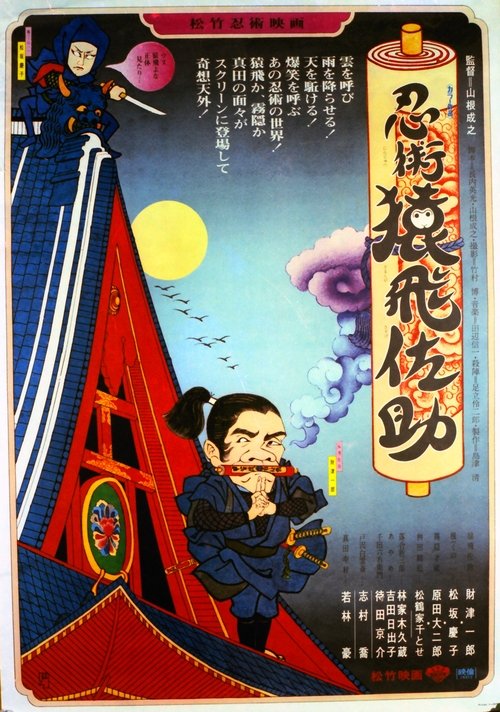
A period comedy set at the end of the Sengoku Period about Sasuke Saruhi, a middle-aged ninja.
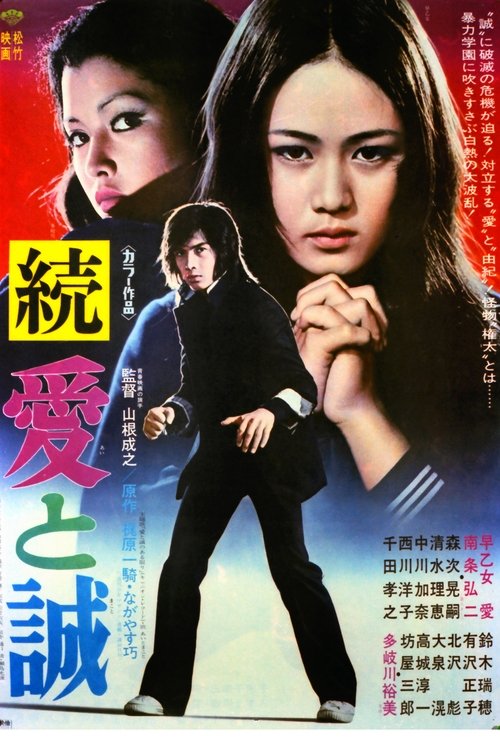
Meet Saotome Ai, a high school girl from a well-to-do family. When she was a small child, she was in an accident that resulted in a young boy being permanently scarred between his eyes while she emerged unscathed. The young boy saved her life and although she never knew who he was, she never forgot him. Meet Taiga Makoto, a young man with a scar between his eyes who has had a rough life, but has emerged as a rough, tough bully - a thug and a brawler and about as rude as they come - all of which he blames on the incident that gave him his scar. When Ai and Makoto run into each other again, Ai feels guilt for what Makoto has become and decides to intervene and rehabilitate him. But is he a diamond in the rough, or just a bully?
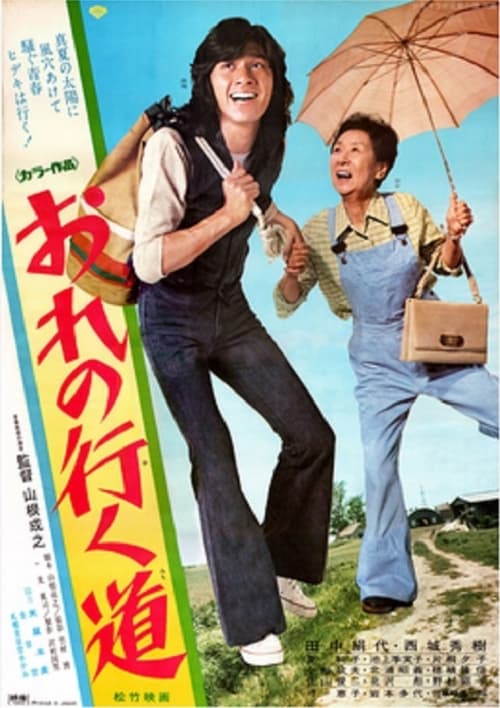
Let's Go, Grandma! plays like an exuberant, goofy update to Yasujiro Ozu's Tokyo Story. Kinuyo Tanaka plays the titular Grandma, who, after selling her Hokkaido property, is apparently flush with cash but newly homeless. Her grown children take turns hosting her, making extravagant performances of filial devotion with an eye to potential profit. Making use of a catalog of wacky visual effects, bracketed by gratuitous ham-fisted fight scenes, and costarring pop singer Hideki Saijo, the film is balanced by Tanaka's nuanced performance, which delivers a denunciation of hypocrisy and greed.
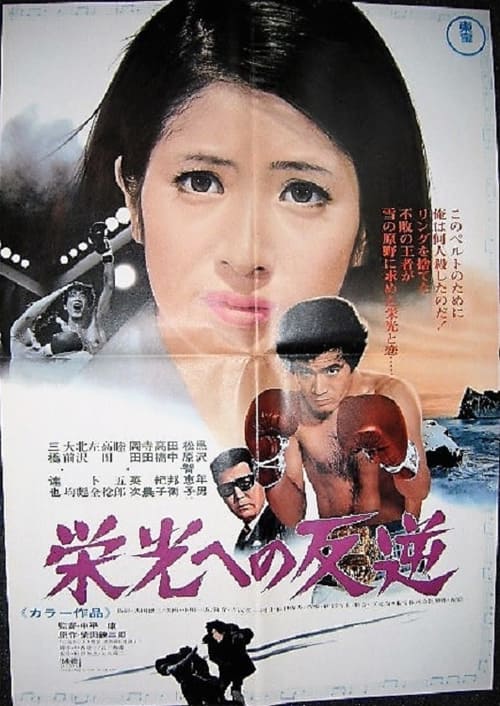
No plot available for this movie.
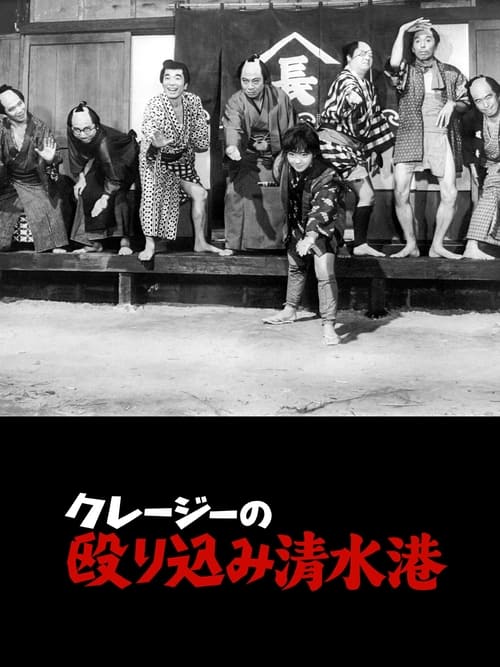
The 14th and final "Crazy" feature. The Crazy Cats reunited (minus Ishibashi, who had by then retired from the team) for one last feature, Jun Ichikawa's odd Memories of You (Kaisha mono-gatari, 1988) released by Shochiku. Most of the cast of Crazy lrresponsibles at Shimizu Harbor (1966) return in this sequel.
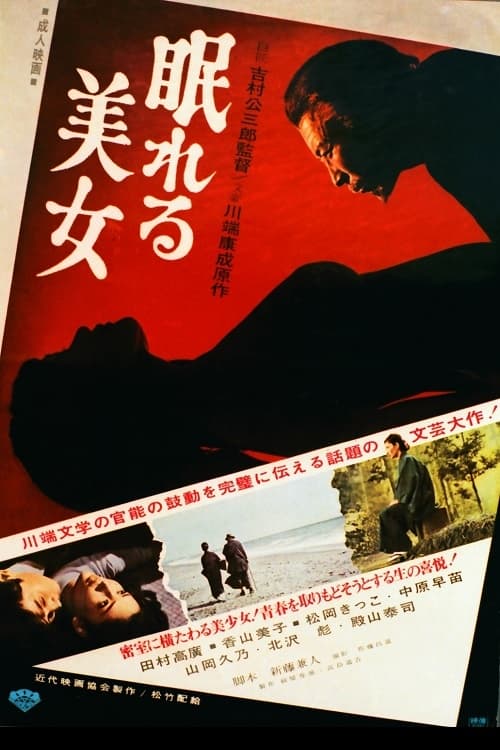
About an establishment where old men pay to sleep besides young girls that had been narcotized and happen to be naked, the sleeping beauties. The old men are expected to take sleeping pills and share the bed for a whole night with a girl without attempting anything of bad taste like putting a finger inside their mouths.
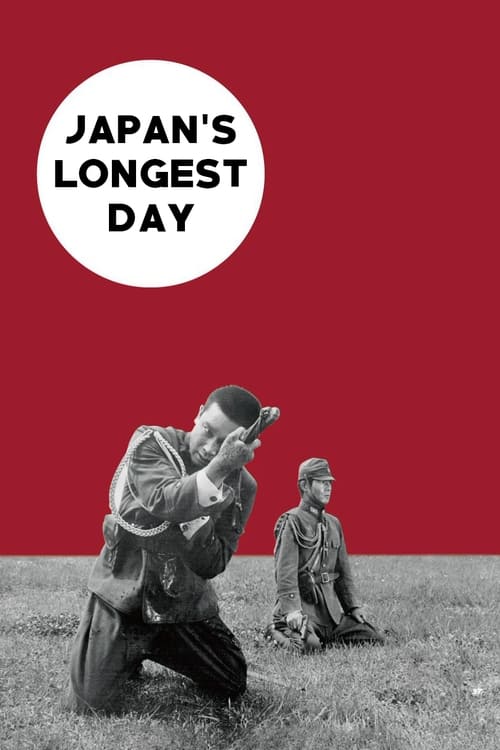
Following the detonation of the atomic bombs on Hiroshima and Nagasaki, the Japanese military and the government clash over the demand from the Allies for unconditional surrender. Minister of the Army Anami leads the military officers who propose to fight on, even to the death of every Japanese citizen. Emperor Hirohito, however, joins with his ministers in asking the unthinkable, the peaceful surrender of Japan. When the military plots a coup to overthrow the Emperor's civilian government, Anami must face the choice between his desires and loyalty to his Emperor.
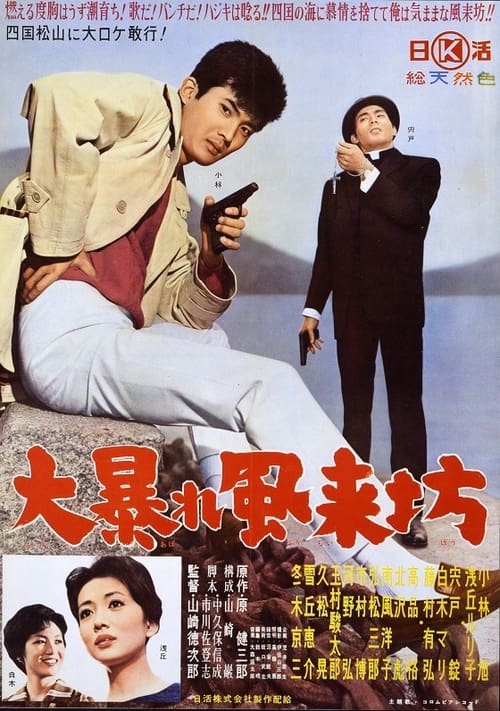
Fourth installment of Nikkatsu's "Drifter" series, with Kobayashi Akira.
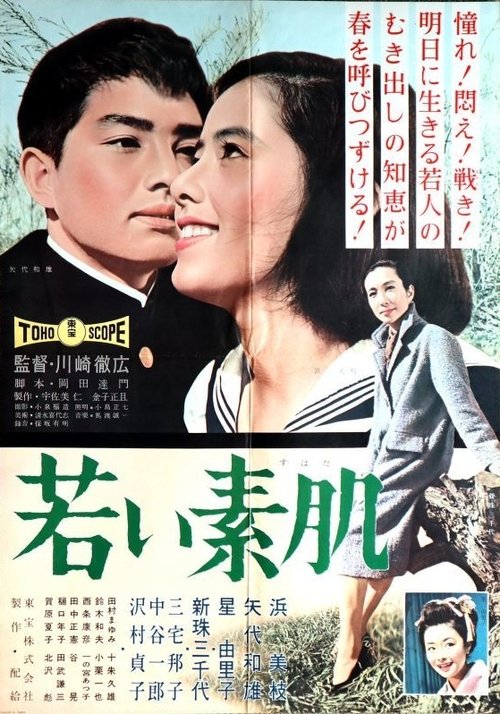
1960 Japanese movie
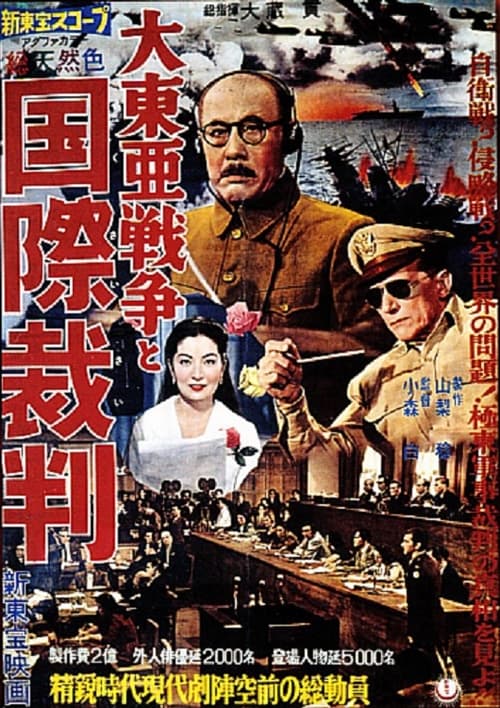
In 1941, overpopulated Japan faces an economic boycott and its armed forces push further to the south. And despite negotiations between Japan and the U. S. A. war is declared with the attack on Pearl Harbour. Victories follow for Japan on land and sea and her forces push forward to the borders of India. But gradually the tide turns in favour of the Allies and after the atom bombings of Hiroshima and Nagasaki, Japan is compelled to accept the Potsdam Declaration and by the order of the Emperor agrees to unconditional surrender. Under the supervision of the occupation forces the International Military Tribunal opens in Tokyo to try the Japanese war leaders. Established in the cause of justice, and to prevent future aggressive wars the trials drag on for two and a half years. And on December 23, 1948, General Tojo and six other war leaders mount the thirteen steps to the gallows at Tokyo's Sugamo prison.
Subscribe for exclusive insights on movies, TV shows, and games! Get top picks, fascinating facts, in-depth analysis, and more delivered straight to your inbox.