
Action
Adventure
Animation
Comedy
Crime
Documentary
Drama
Family
Fantasy
History
Horror
Music
Mystery
Romance
Science Fiction
Thriller
War
Western
Explore all movies appearances

In addition to the so-called collective portraits, Drahomíra Vihanová also captures distinctive individuals - for example, she made films about the director František Vláčil or the piano virtuoso František Rauch. This series also includes a portrait of the singer Eva Olmerová, The Changes of Eva's Friend. This film met with a very contradictory audience response after its completion. Here the director attempted to capture the form of a human being, the ups and downs of an undoubtedly brilliant singer. The empathetic viewer will soon understand that this film is like life itself: it is harsh, loving, there is an irritating volatility, a restlessness of the soul, reconciliation, compassion, humility and passion. And this applies not only to the filmed Eva Olmera, but also to the director Vihan.
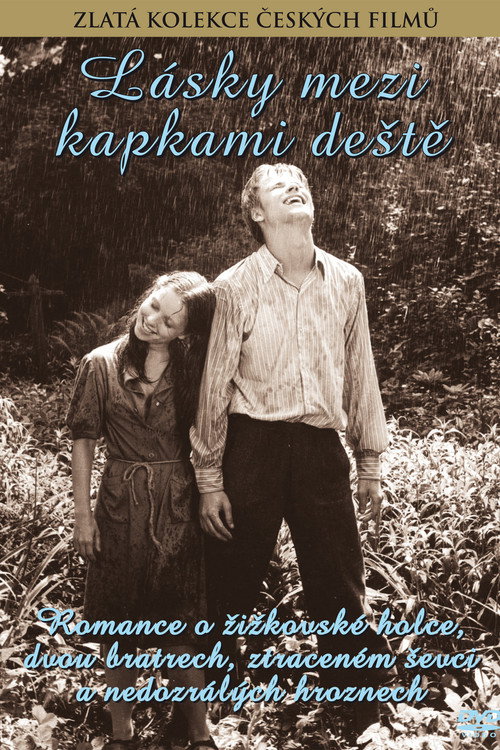
Set in Prague during the years leading up to World War II, this family saga tells the story of a cobbler named Vincenc Bursik (Vladimir Mensik), who uproots his clan from the country to the city, only to suffer the loss of his wife and the failure of his shoe business within months. When his daughter moves away to go live with a wealthy businessman as his mistress, Vincenc is left to take care of his two sons, who spend their days in a secret garden vying for the affections of a teenage girl.
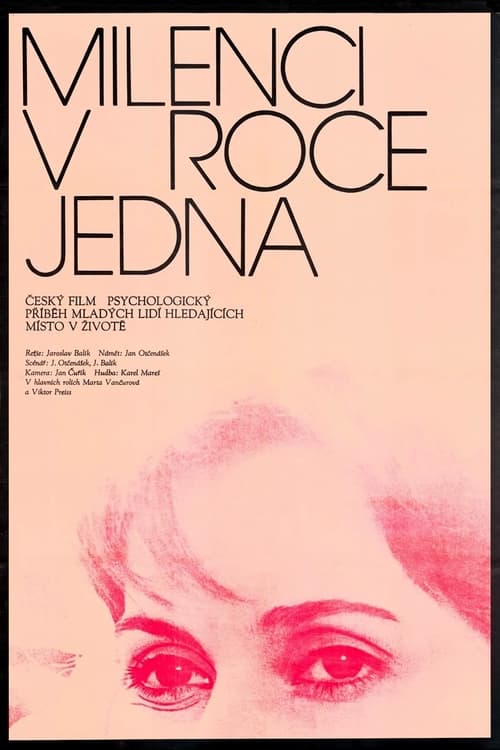
It is the summer of 1945. A party of young people are enjoying the beginning of a new life to the full. For them this is the year one. One of them, law student Pavel, is more attracted to film than to law. With his eight-millimeter camera, he films everything that catches his attention. One day he captures an interesting face on film, a girl with an air of mystery. Pavel visits the girl, whose name is Helena, and meets hers and her elder energetic sister Olga. From Olga, he learns that the girls have spent the years of German occupation in a concentration camp and cannot forget the horrors they have lived through.

No plot available for this movie.

Valerie, a Czechoslovakian teenager living with her grandmother, is blossoming into womanhood, but that transformation proves secondary to the effects she experiences when she puts on a pair of magic earrings. Now seeing the world around her in a different light, Valerie must endure her sexual awakening while attempting to discern reality from fantasy as she encounters lecherous priest Gracian, a vampire-like stranger and otherworldly carnival folk.
At the centre of the story is Miss Lenka Stříbrná. An attractive, but a little strange young woman. The gym teacher Vasek is shy and very clumsy with women. So he asks his friend, the editor Karel, for help. The experienced seducer willingly seizes the opportunity and tries to win Lenka for himself, but all his efforts fail due to her stubbornness. Gradually, this comedy-tinged love etude gives way to drama. It culminates at an editorial party at the Slap Dam, where all the characters in the story meet unexpectedly and editor Leden finally understands what Miss Silver's flirtation was all about.
No plot available for this movie.
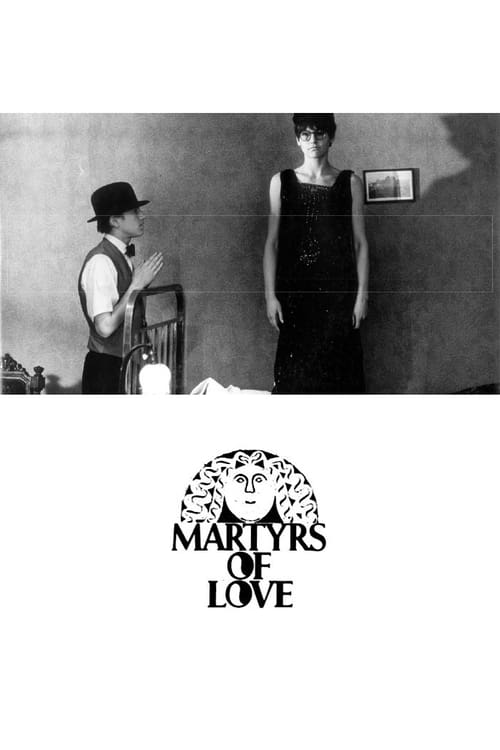
This three-part ballad, which often uses music to stand in for dialogue, remains the most perfect embodiment of Nemec’s vision of a film world independent of reality. Mounting a defense of timid, inhibited, clumsy, and unsuccessful individuals, the three protagonists are a complete antithesis of the industrious heroes of socialist aesthetics. Martyrs of Love cemented Nemec’s reputation as the kind of unrestrained nonconformist the Communist establishment considered the most dangerous to their ideology.
After a night of partying together, the groom-to-be and his friend wake up to find that the wedding is taking place today. The movers are already bringing in new furniture, and on the way to get the bouquet, the groom, who is still slightly drunk, suffers an accident. The friend leaves to calm the bride down and is almost married himself. After various obstacles, the wedding finally takes place.
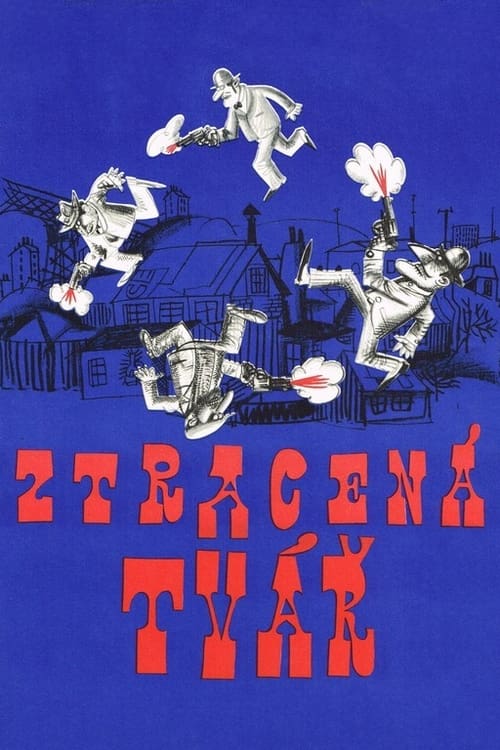
It is the 1930s. Physician Bartos devotedly attends poor patients in the city suburbs, at the same time researching the possibilities of regeneration of human tissues after transplantation. His former colleague Rosen, now working as an assistant at the private clinic of surgeon Kirchenbruch, considers the research a mere utopia. The disappointed Bartos, trying to verify his theories, therefore accepts the outrageous proposal of Marion, owner of a brothel - to surgically replace the face of her lover, the wanted thief Cutter, with the face of murdered Father Hopsasa. Bartos is well paid but his successful operation remains a secret.
Subscribe for exclusive insights on movies, TV shows, and games! Get top picks, fascinating facts, in-depth analysis, and more delivered straight to your inbox.