Action
Adventure
Animation
Comedy
Crime
Documentary
Drama
Family
Fantasy
History
Horror
Music
Mystery
Romance
Science Fiction
Thriller
War
Western
Explore all movies appearances
No plot available for this movie.
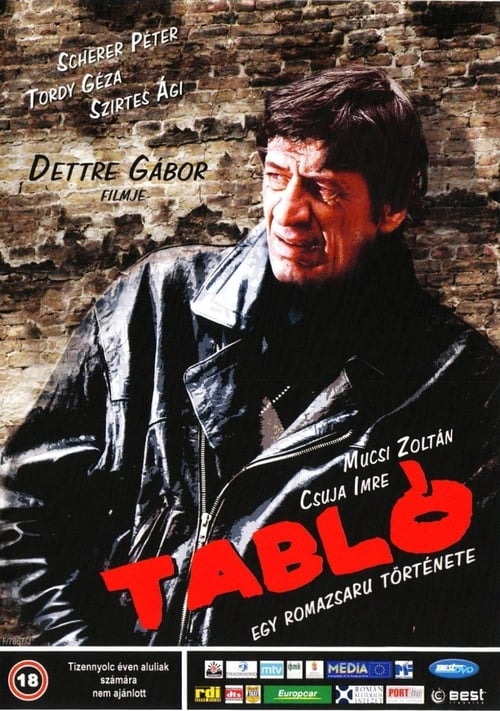
Karcsi, a Roma policeman, lives with Eva, a Swede. One day he is called to the scene of the murder of a wealthy trafficker named Schulter. He begins to investigate the crime, interrogate neighbours and suspects, and untangle a complex situation - one that he, himself, complicates even further. For he is a gypsy, who despite being adopted and raised by "regular" Hungarians, has his nose rubbed in his minority status every day. The film, which is based on the novel by Ákos Kertész, is a shrewd genre work full of dusky humour and surreal situations. Tabló follows a vivid succession of strange images that eventually lead to the emergence of the central story about a charismatic police officer on a tireless quest for the truth, though he must fight against virtually everyone and is just as fallible as the next person. Tabló makes a statement on the issue of race and racism - or, indeed, relations between any minority and majority.
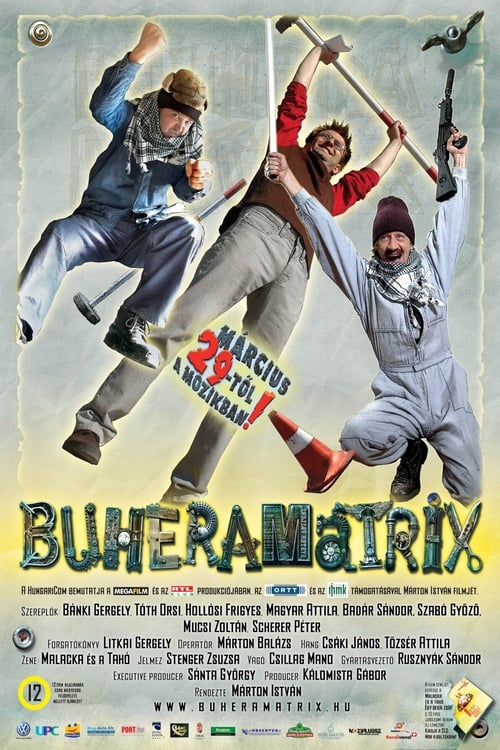
Geri’s life flashes before him in the “Buhera Matrix,” a cringe-worthy slideshow of childhood photos from Pioneer camp to prom night. He relives the absurd clash between Mickey Mouse and socialist youth rituals, debates the perfect horse-chestnut hole size and survives the notorious fruit-game initiation. As the disastrous graduation and its Bavarian-style sacrifices cap off his painfully vivid memories, the film spins forward through Hungary’s late-20th-and-early-21st-century history through the eyes of a ’70s-born generation.
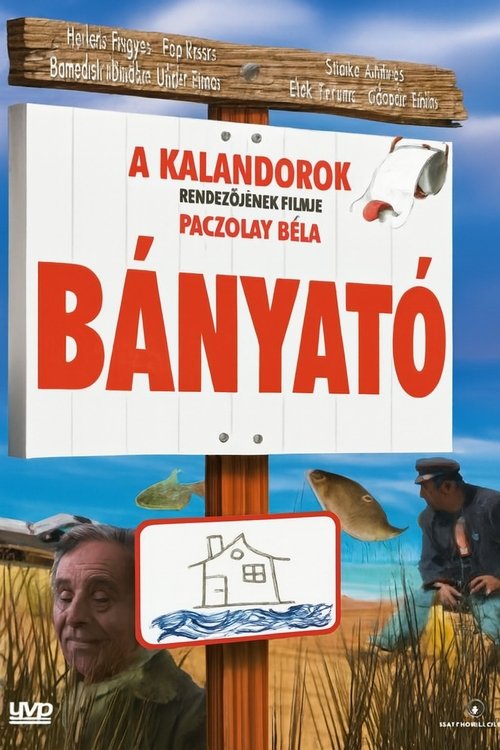
No plot available for this movie.
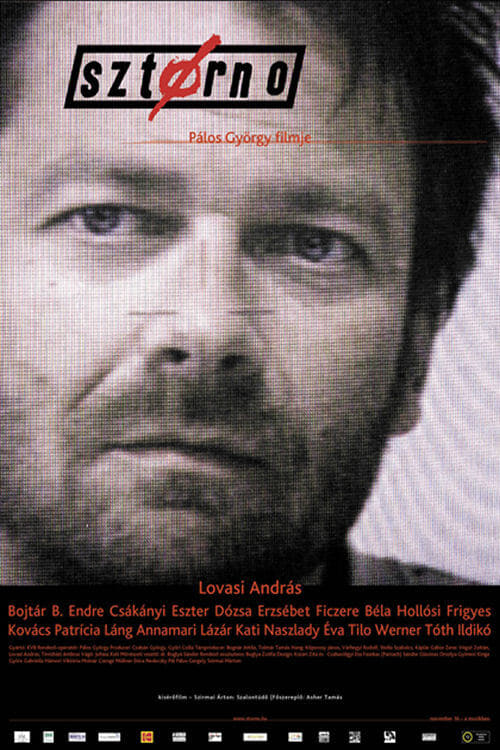
Underrated in light of its current (February 4, 2007) IMDb score of 6.4, this film reminded me of what Joseph Heller's 'Something Happened' could look like if a film was to be made out of it. Our middle-aged character's life is in a fragile balance at the start and soon that balance will, of course, be disturbed. Even without much in the way of drama at first, an at times nightmarish reality intermingles with nightmares, and, typically for a movie from this region, state bureaucracy and the absurdities of a semi-legal order play a role in moving developments along. So what is it that awaits our hero down the informal road he is officially sent? Complete deconstruction? Or the 'unbearable lightness of being'? If you give the movie the time to unfold, it will reward you revealing an entertaining concept by the end.
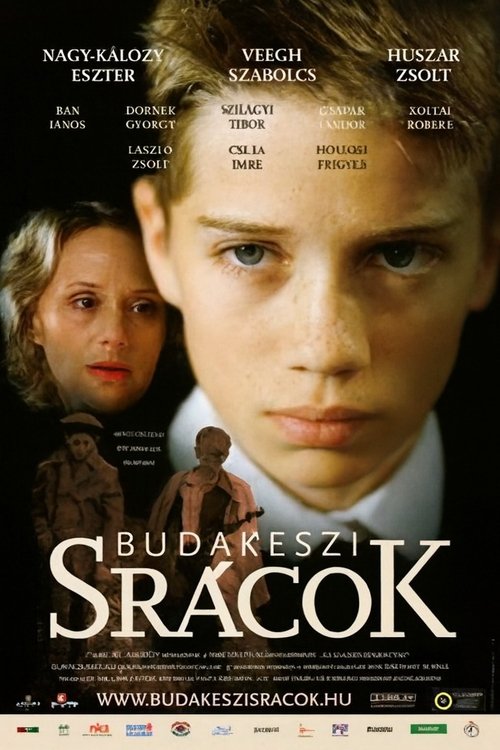
Hungary, 1950s. Istvánka is a sensitive little boy, longing for a role model and friendship, whose father died in the war before he was born. Before school starts, his mother takes him from the countryside to the capital. One day, he meets Lacy Márity, a 21-year-old big boy from Budakeszi, who from then on not only goes to play football with him, but also answers his most secret questions. He becomes his friend. Istvánka then becomes more tolerant of the local children's digs and the often incomprehensible behaviour of the adults. But the 1956 revolution intervenes. Laci Márity takes the lead in the rebellion.

No plot available for this movie.
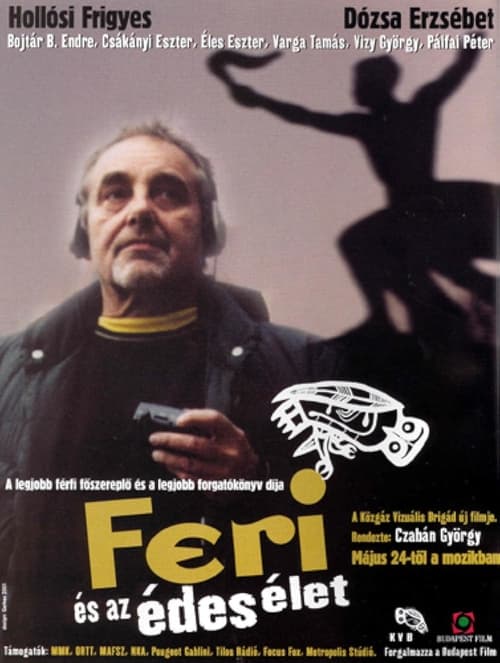
Feri is forty-eight years old, twenty-six of which he has worked as a trainee in a screw factory. Workers' spirit, workers' choir, football matches. He's in good shape, though he's put on a little weight, he doesn't go bald, he's a big talker and considers himself a great ladies' man, even though he only used to go for Gizika, the storekeeper, in the factory days. His wife of twenty-six years is Joli, a year older than him. A perpetually dissatisfied woman with a headache. In her heyday, she was an administrator at KÖJÁL, but was demoted because of her diabetes. His hobbies include crocheting, crossword puzzles and long TV series, which he and his girlfriend, hairdresser Icu, regularly discuss. On that particular Saturday morning, when Feri was going fishing and Joli was about to cook stuffed chicken for their wedding anniversary, they had no idea that their lives would change so much that afternoon. This is where our story really begins.
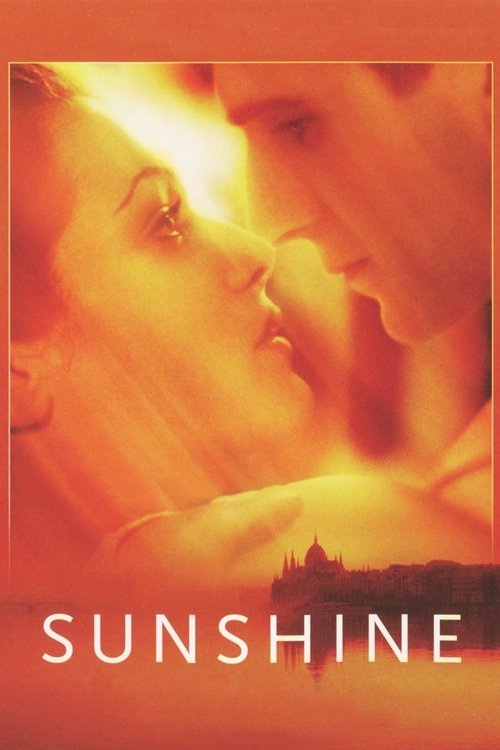
The fate of a Hungarian Jewish family throughout the 20th century.
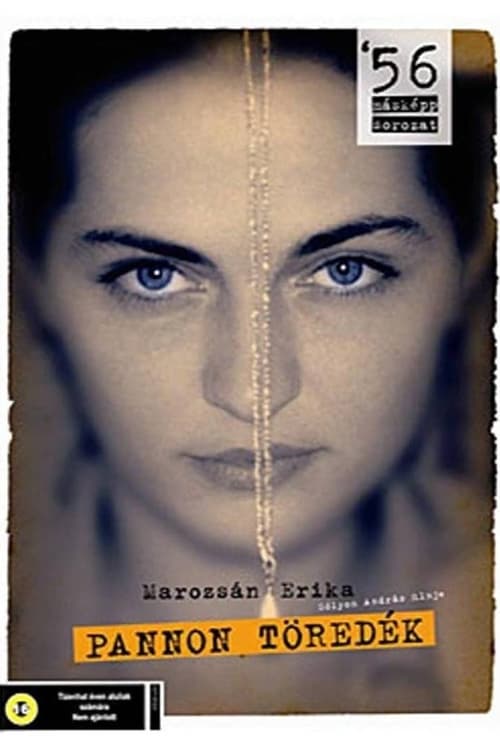
Peter falls in love with Lena, a Bulgarian female student in the days of the 1956 revolution. They were both involved in the events of the Revolution, enthusiastically recount their experiences of an American journalist. The boy's parents leave the country, but he did not go with them.
Subscribe for exclusive insights on movies, TV shows, and games! Get top picks, fascinating facts, in-depth analysis, and more delivered straight to your inbox.