
Action
Adventure
Animation
Comedy
Crime
Documentary
Drama
Family
Fantasy
History
Horror
Music
Mystery
Romance
Science Fiction
Thriller
War
Western
Explore all movies appearances
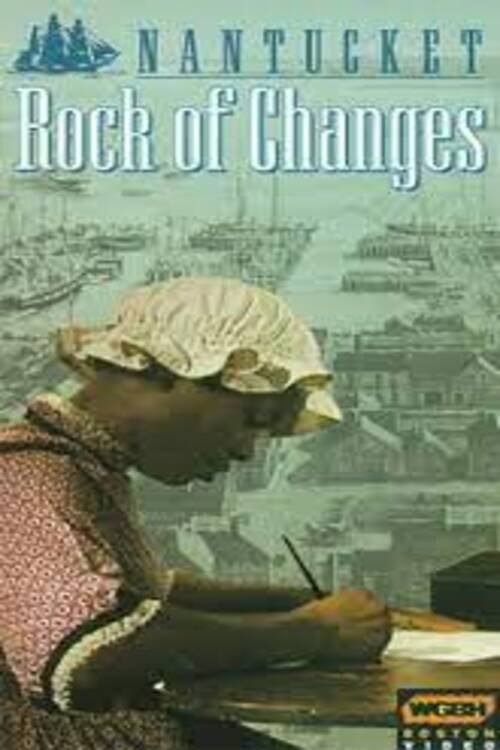
No plot available for this movie.
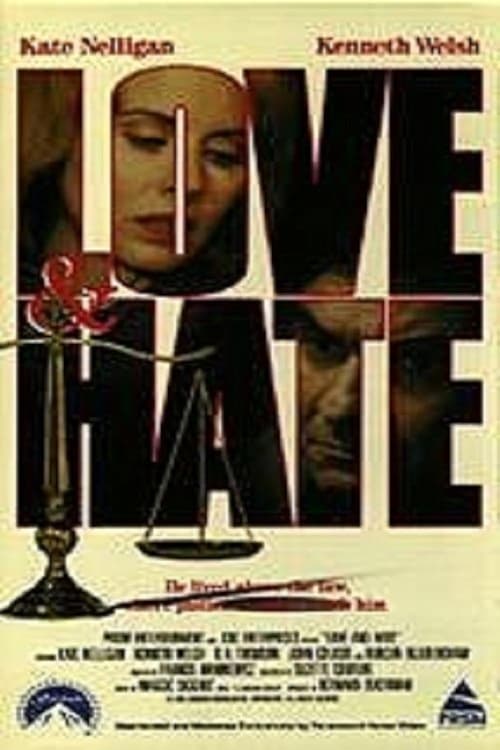
Narcissistic Saskatchewan Tory politician Colin Thatcher is engaged in a bitter divorce from his wife Jo-Ann. When a series of court rulings over the divorce go against him, Thatcher decides a more drastic solution is needed - murder! A series of attempts on Jo-Ann's life follow, most of which don't succeed. Finally one does, and the arrogant Thatcher believes he is above the law and immune to prosecution. But his arrogance proves to be his undoing, as Crown Counsel Serge Kujawa builds a case against this psychopathic monster for 1st-degree murder - charging that Thatcher hired someone to kill his wife. The true story of one of the most disturbing stories of murder-for-hire in Canada.
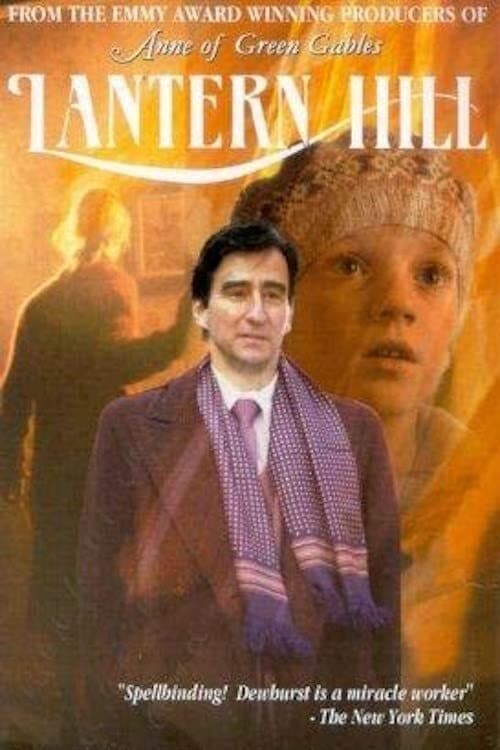
Jane, a young Toronto girl, tries to reunite her estranged parents during the 1930’s, sick of her strict private school and abusive, nasty grandmother.

Jerry Lewis plays an Ohio optometrist who has a six-year old daughter with epilepsy. He fights to get the FDA to approve a drug (at that time only available in England) for use in the U.S.
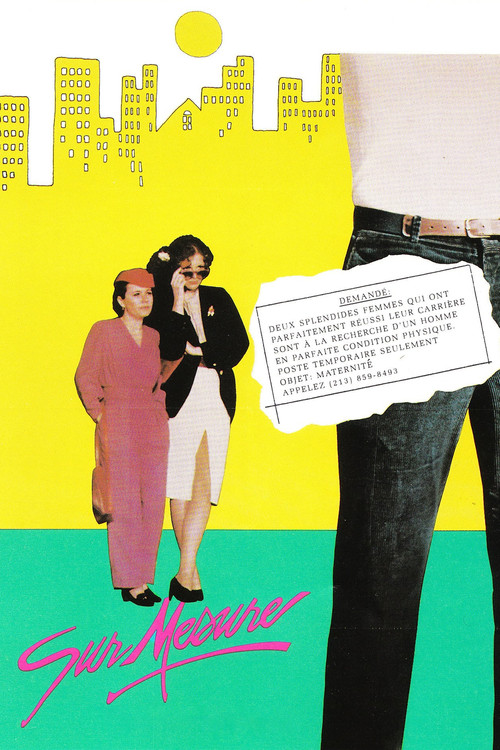
Angie and Helen are in love. They live and work together designing women's evening wear in Vancouver. When Helen decides she wants to have a baby, the pair set out to find a suitable sperm donor.
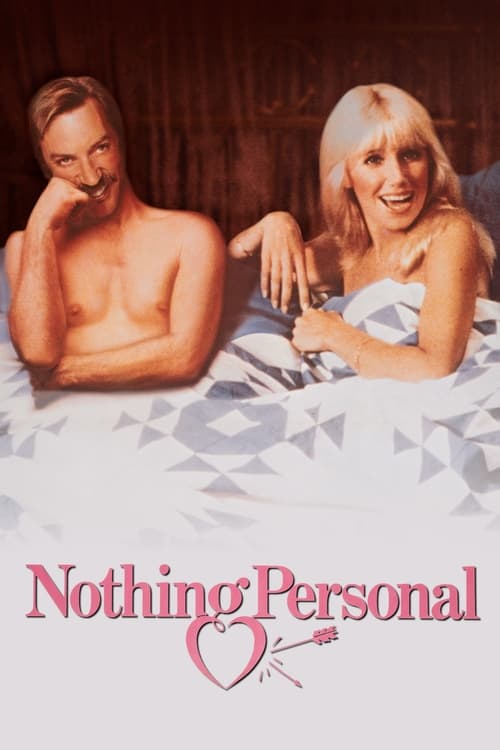
Environmentally concerned lawyer Abigail Adams works with Professor Roger Keller in his effort to protect baby seals from slaughter.
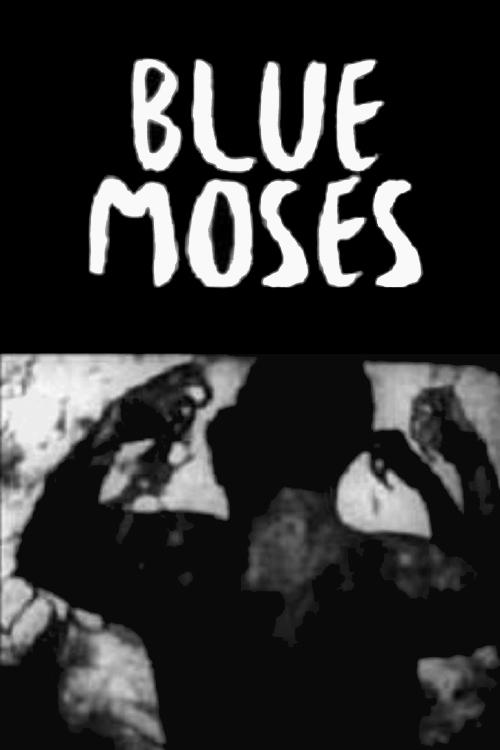
One of the few Brakhage films featuring spoken dialogue and a central character, this sly and bitter polemic pits an actor (poet? director?) against an unseen audience. Preserved by the Academy Film Archive in 2007.

In “Mr. Tompkins Learns the Facts of Life”, Mr. Tompkins learns about biology. In a wild and entertaining dream, his creator, author George Gamow, sends him through his own blood steam to investigate how his body really functions. Professor Igor Gamow and legendary filmmaker, Stan Brakhage, made the film “Mr. Tompkins Inside Himself” based on George Gamow’s book. The film includes an introduction by George Gamow, himself.

Four young men and a young woman sit in boredom. She smokes while one strums a lute, one looks at a magazine, and two fiddle with string. The door opens and in comes a young man, cigarette between his lips, a swagger on his face. The young woman laughs. As the four young men continue disconnected activities, the other two become a couple. When the four realize something has changed, first they stare at the couple who have kissed and now are dancing slowly. The four run from the house in a kind of frenzy and return to stare. The power of sex has unnerved them.
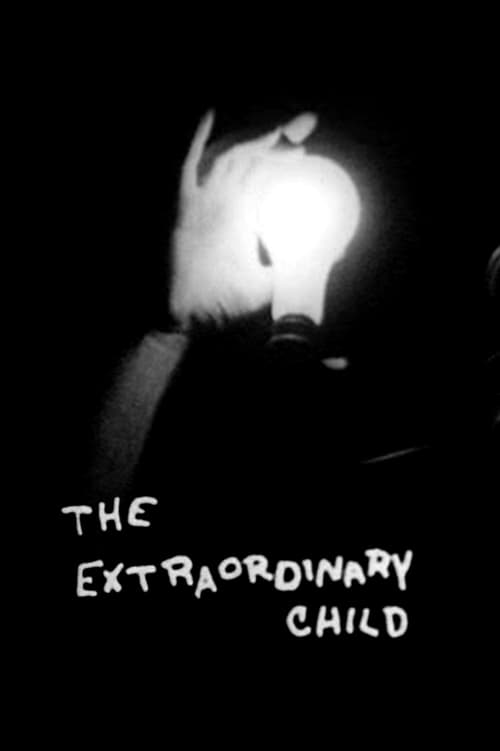
The Extraordinary Child applies his developing style to broad slapstick. His friends from the previous films and the director himself play out a riotous farce about an overgrown baby who steals his father’s cigars. Everyone mugs hilariously. The movie could be taken as another example of the Romantic notion of the artist as a monstrous child or misfit, or a parody of the same rather than the personal confessional statement seen so often in these film movements.
Subscribe for exclusive insights on movies, TV shows, and games! Get top picks, fascinating facts, in-depth analysis, and more delivered straight to your inbox.