
Action
Adventure
Animation
Comedy
Crime
Documentary
Drama
Family
Fantasy
History
Horror
Music
Mystery
Romance
Science Fiction
Thriller
War
Western
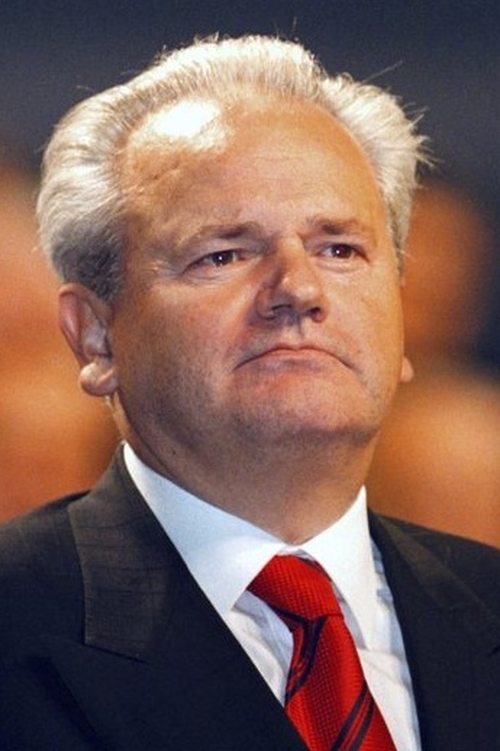
Slobodan Milošević (August 20, 1941 - March 11, 2006) was the former President of Serbia and of Yugoslavia. He served as the President of the Socialist Republic of Serbia and the Republic of Serbia from 1989 until 1997 in three terms and as President of the Federal Republic of Yugoslavia from 1997 to 2000. He also led the Socialist Party of Serbia from its foundation in 1990. In the midst of NATO ...
Explore all movies appearances
A research-based essay film, but also a very personal perspective on the history of socialist Yugoslavia, its dramatic end, and its recent transformation into a few democratic nation states.
This is a story of the Croatian journalist Sinisa Glavasevic, the Croatian Radio station in Vukovar and sufferings of all Vukovar's inhabitants during the siege. At the same time this is also an archetypal story of love for one's own hometown, of integrity and responsibility of the individual who, at the hardest trials of his own conscience and responsibility, chooses to take the more difficult path, in circumstances where others - the average and the conformist - abandon ship. Sinisa decided to stay.
An exclusive look into the trial against Slobodan Milosevic documenting the court proceedings and their background.
In 1989 a youth radio station, B-92, started up in Belgrade. It almost immediately became a symbol of the resistance to Serbian nationalism and all that Slobodan Milosevic decreed. Here, the young radio workers give a candid account of life in Belgrade throughout the years of war. They also describe their own contribution, despite all the authorities' efforts to suppress them, to the liberation of their city and their country.
By the end of 2003, few people knew what the Special Operations Unit of the Republic of Serbia did: the media was fawning over them, politicians respected them.

An investigative report inside the realm, and inside the mind, of one of the most effective and brutal tyrants of the past 50 years: Slobodan Milosevic.
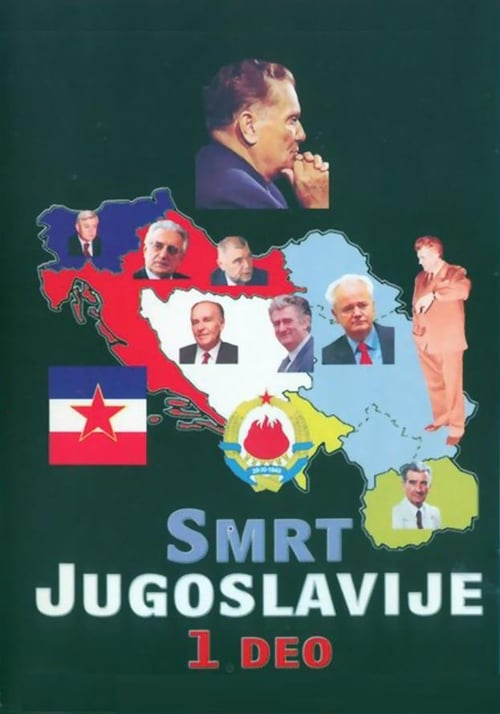
History of the political events and the wars which broke the former state of Yugoslavia into several nations and caused an international political and humanitarian crisis. Using interviews with all the major participants and archive footage of the events, the series impressively performed the double feat of making understandable something which had appeared intractable and of producing 'immediate' history.
We follow Marcel Ophuls' two journeys to Sarajevo in 1993. He is starting a documentary about war correspondants. But this also becomes a reflexion about truth and life. The form consists in many interviews of mostly French and American journalists and reporters of television or newspapers.
Subscribe for exclusive insights on movies, TV shows, and games! Get top picks, fascinating facts, in-depth analysis, and more delivered straight to your inbox.