Action
Adventure
Animation
Comedy
Crime
Documentary
Drama
Family
Fantasy
History
Horror
Music
Mystery
Romance
Science Fiction
Thriller
War
Western
Explore all movies appearances

Why does Doris Dörrie have a bag on her head in the interview? Consistent in the sense that in her works she always poses the question of how we want to be perceived. Dörrie takes us through the most important stages of her life, her films, her work as a mentor and teacher, and also addresses existential themes: Identity, motherhood, her role as a woman. And she talks openly about fears, setbacks and crises, such as the untimely death of her partner and cameraman Helge Weindler. "Shut up and breathe", the advice of a Tibetan lama, carries her through life - even beyond the screen.

From the 1950s onwards, Erika and Ulrich Gregor brought countless film historical milestones to Berlin and shaped cinema discourse in post-war Germany. A look at the life and work of the couple without whom Arsenal and the Forum wouldn’t exist.
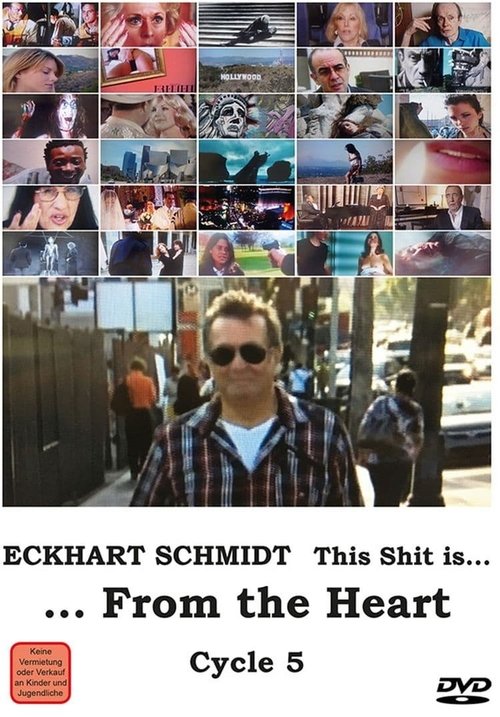
Documentary about Los Angeles.

No plot available for this movie.
This is not merely another film about cinema history; it is a film about the love of cinema, a journey of discovery through over a century of German film history. Ten people working in film today remember their favourite films of yesteryear.

A Zen priest in San Francisco and cookbook author use Zen Buddhism and cooking to relate to everyday life.
What happens when famous directors stage an opera? Eckhart Schmidt shows successful and failed attempts.
Documentary about the Maximilianstraße in Munich.
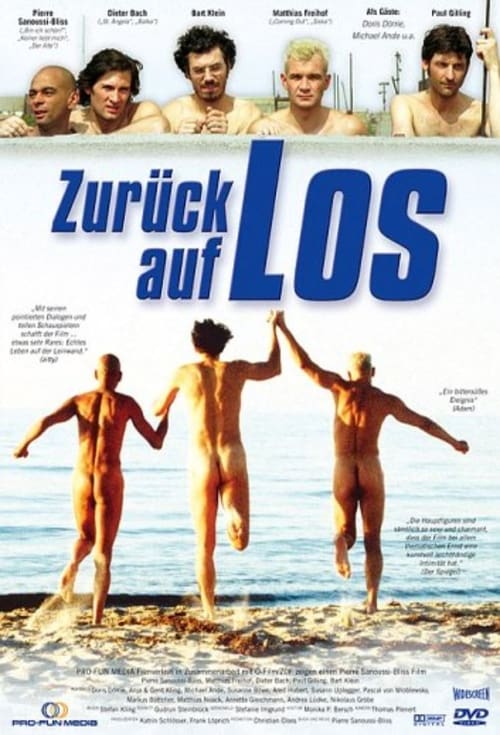
After Sam, a penniless Afro-German singer, discovers he's HIV positive, he gets utterly drunk, spends a few miserable days, but promptly falls (back) in love. Amidst a crumbling former East Berlin (its bulidings, cars, people & culture), Sam develops a "family" for the new millenium, for the new generation of post-drug cocktail AIDS victims. The fragile "family" he forms includes his on-again-off-again boyfriend Rainer, and his best friend Bastl with his latest fling, Mike. Like the old, schmaltzy East German songs which Sam is recording, the sweet innocence of the characters struggle to prevail, the misfortunes of the characters nothwithstanding.
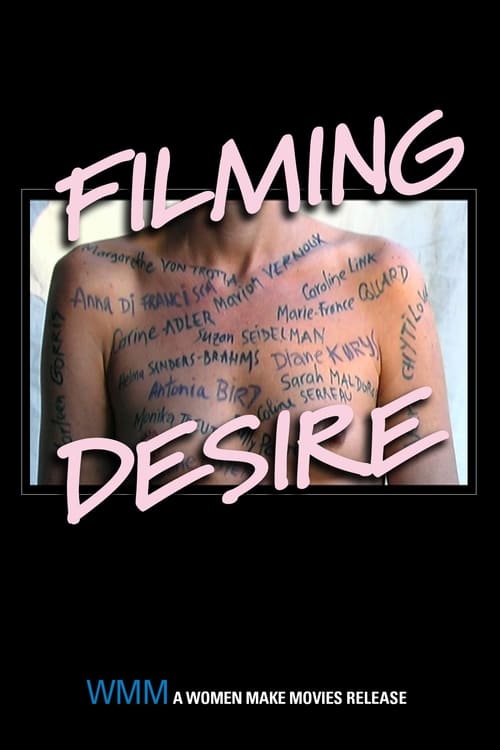
The film consists largely of a series of interviews with female filmmakers from several different countries and filmmaking eras. Some, such as Agnès Varda and Catherine Breillat (both from France), have been making films for decades in a conscious effort to provide an alternative to the male filmmaking model; others, such as Moufida Tlatli (Tunisia) and Carine Adler (England), are relative newcomers to directing, and their approaches seem more personal and less political. The film as a whole manages to cover some important topics in the feminist debate about film -- how does one construct a female gaze, how can one film nude bodies without objectifying the actors (of either sex), what constitutes a strong female role -- while also making it clear that “women’s film” comprises as many different approaches to filmmaking as there are female filmmakers.
Subscribe for exclusive insights on movies, TV shows, and games! Get top picks, fascinating facts, in-depth analysis, and more delivered straight to your inbox.