
Action
Adventure
Animation
Comedy
Crime
Documentary
Drama
Family
Fantasy
History
Horror
Music
Mystery
Romance
Science Fiction
Thriller
War
Western
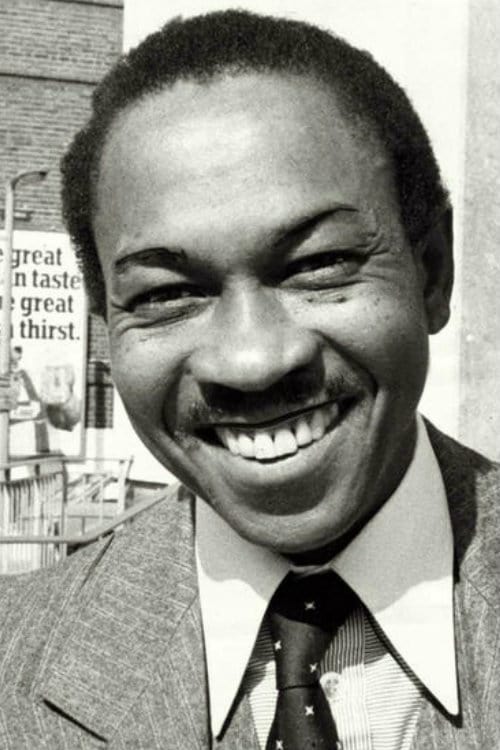
Norman Beaton was a popular and much loved Guyanese born British actor. He arrived in the UK in 1960 and worked as a calypso singer and musician and a teacher - being the first black teacher employed by the education authority in Liverpool. His heart set on a career in showbusiness, he moved to Bristol and became a presenter on the regional news magazine Points West, before a two week prison sente...
Explore all movies appearances

A two part documentary that details the contribution of black and Asian people to television history from the birth of television in 1936 to 1992. Interviewees include: Pearl Connor, Thomas Baptiste, Lenny Henry, Norman Beaton, Horace Ové, Carmen Munroe, and Stuart Hall.

A young man looks back over his unhappy marriage and struggles to come to terms with his wife's suicide.
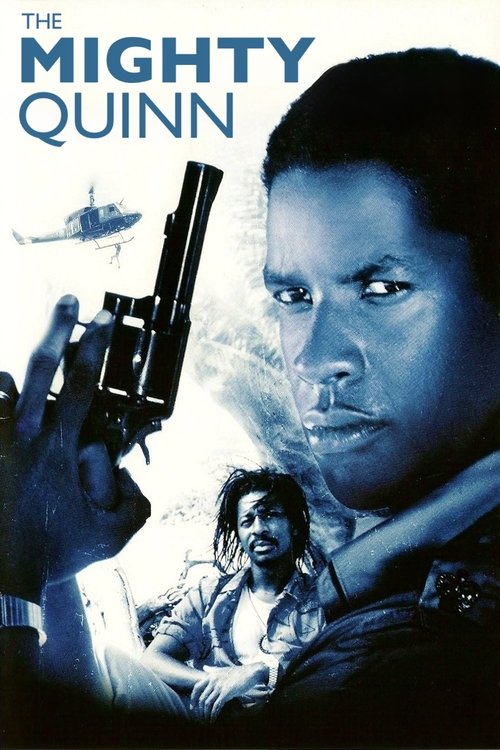
Police chief Xavier Quinn investigates the gruesome murder of Donald Pater, one of the wealthiest residents on a Caribbean island. He was found decapitated in his Jacuzzi. Although the local political establishment, especially crooked Governor Chalk, insists that small-time thief Maubee is responsible, Xavier has his doubts. This view is complicated by the police chief's personal history with Maubee: The men have been friends since childhood.
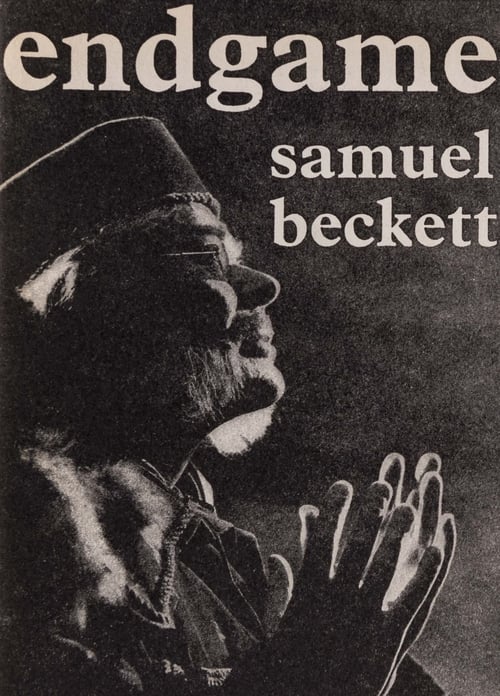
A performance of Samuel Beckett's 'Endgame', a play in which nothing happens, once - unlike Beckett's first play 'Waiting for Godot' in which nothing happens twice. It is not a play about chess, in any explicit sense, but it does feature a lovable if curmudgeonly old man in a dustbin. Generally accepted to be Beckett's bleakest play - indeed after it's 1957 English debut at the Royal Court, the TLS's Olivier Todd quipped that it made Waiting for Godot look like "a cheerful operetta". However, Beckett himself described it as "the favourite of my plays." Although the programme was not broadcast until 1991 it was recorded in 1989 prior to Beckett's death and had his blessing. This production is particularly notable as it is first full-length television performance of the play.
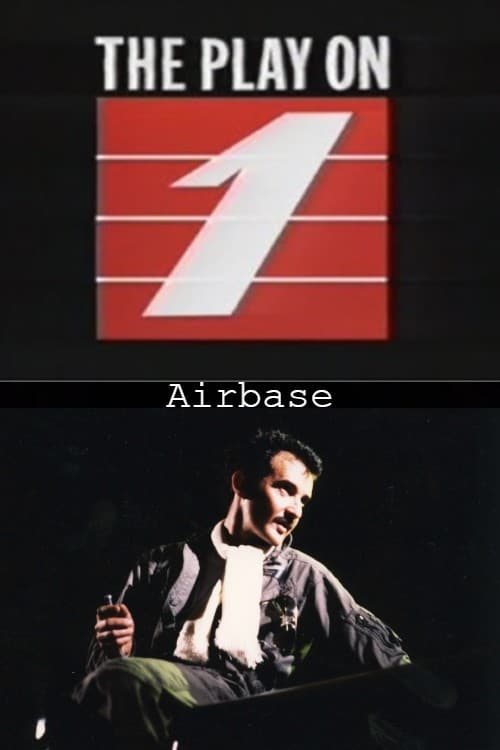
Hidden beneath an airbase the elite F-111 pilots live in a secret fantasy world as they wait, primed for the ultimate war game of World War Three. The arrival of the delicious Lieutenant Madeline Kohler detonates a chain reaction of deep rooted antagonism that explodes with cataclysmic consequences.

To mark the conclusion of their "Third World Week" celebration, a cricket team in a small English village invites a black cricket team from South London to a charity game with comical results.
Returning to England from Trinidad and Tobago for one night only, a former trickster finds that old friends and communities have moved on.
Guyanese painter Aubrey Williams (1926-1990) returns to his homeland on a “journey to the source of his inspiration” in this vivid Arts Council documentary, filmed towards the end of his life. The title comes from the indigenous Arawak word ‘timehri’ - the mark of the hand of man - which Williams equates to art itself. Timehri was also then the name of the international airport at Georgetown, Guyana's capital, where Williams stops off to restore an earlier mural. The film offers a rare insight into life beyond Georgetown, what Williams calls “the real Guyana.” Before moving to England in 1952 he had been sent to work on a sugar plantation in the jungle; this is his first chance to revisit the region and the Warao Indians - formative influences on his work - in four decades. Challenging the ill-treatment of indigenous Guyanese, Williams explored the potential of art to change attitudes. By venturing beyond his British studio, this film puts his work into vibrant context.
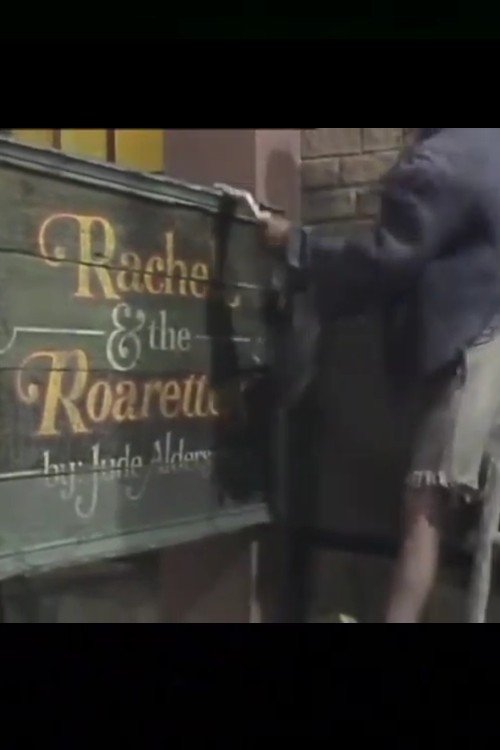
A musical about female rebels in the 18th and 20th centuries.

A comedy about a dreamer whose Walter Mitty-like fantasies turn his world of make-believe into a world of trouble.
Subscribe for exclusive insights on movies, TV shows, and games! Get top picks, fascinating facts, in-depth analysis, and more delivered straight to your inbox.