
Action
Adventure
Animation
Comedy
Crime
Documentary
Drama
Family
Fantasy
History
Horror
Music
Mystery
Romance
Science Fiction
Thriller
War
Western
Explore all movies appearances
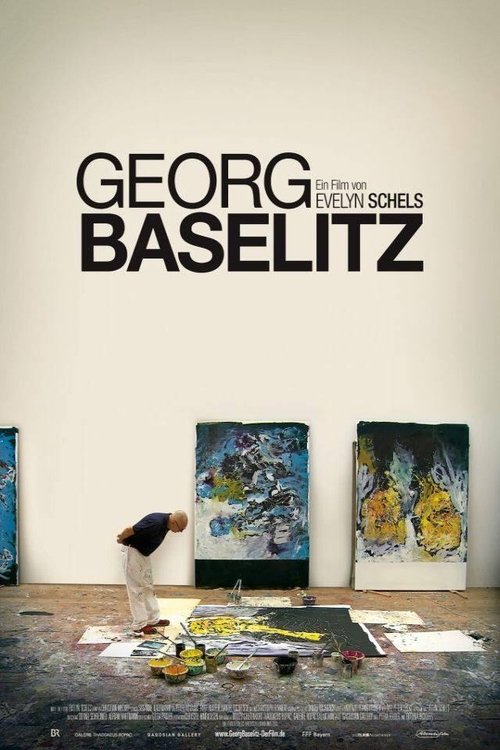
For the first time, this documentary shows Georg Baselitz at work on paintings and sculptures in his studio, ceaselessly reinventing his methods, offering a closely observant, intimate portrait of this internationally renowned artist.
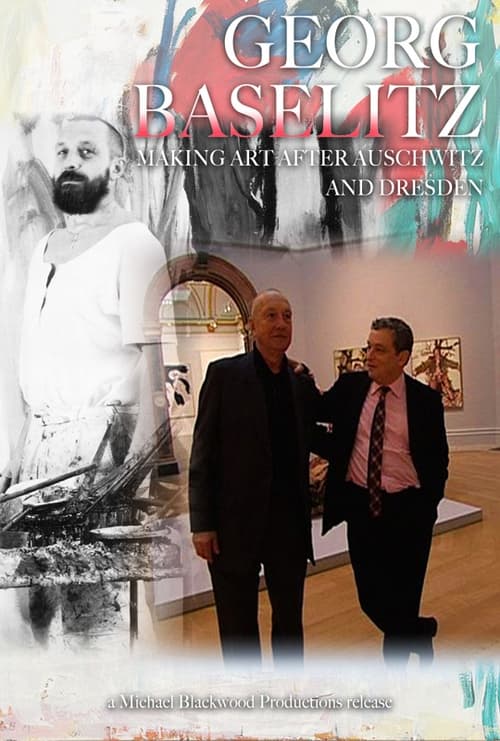
Georg Baselitz: Making Art after Auschwitz and Dresden explores the artist's brilliant career through his 2007 retrospective exhibition at London's Royal Academy of Arts. Accompanied by curator Norman Rosenthal, who first exhibited paintings by Baselitz in the early 1970's, the artist discusses painting, sculpture and the trajectory of his work. The exhibit emphasizes Baselitz ability to create imagery that deals unflinchingly with his position as a post-war artist. In responding to contemporary experience and exploring his own painterly instincts, Baselitz creates symbols which reflect deep-rooted human dilemmas and concerns.
A comprehensive history of European Jazz, exploring the origins of the US-influenced Jazz clubs after the Second World War, the first steps independent of American jazz and the various changes of direction that have repeatedly occurred in European jazz in the search for that "own voice" that European jazz musicians have helped to form. Featuring the great masters of European jazz such as Chris Barber, Jan Garbarek, Juliette Gréco, Stefano Bollani and Till Brönner, to name but a few.
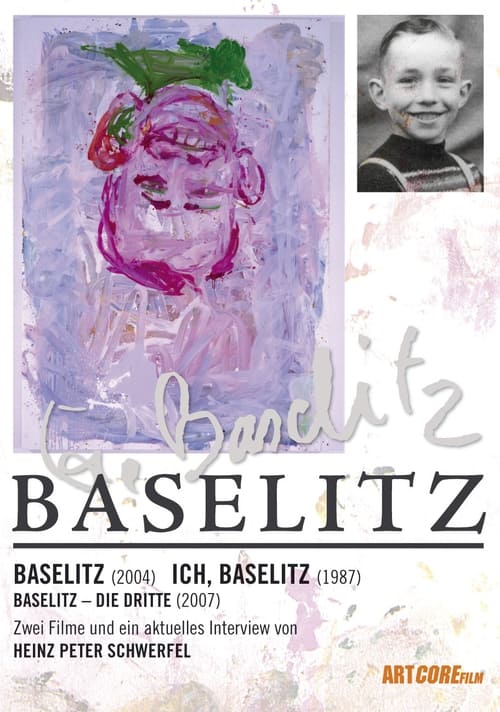
Georg Baselitz (born January 23, 1938) is a German painter who studied in the former East Germany, before moving to what was then the country of West Germany. Baselitz's style is interpreted by the Northern Americans as Neo-Expressionist, but from a European perspective, it is more seen as postmodern. His career was kick-started in the 1960s after police action against one of his paintings, (Die große Nacht im Eimer), because of its provocative, offending sexual nature. Baselitz is one of the world's best-selling living artists. He is a professor at the renowned Hochschule der Künste in Berlin.
For more than thirty years, film director Heinz Peter Schwerfel has been observing the German-born painter and sculptor Georg Baselitz in interviews and studio visits. This film was his first television appearance, where the nonconformist artist gives a well-prepared performance with provocative statements and surprising explanations of his work: the rejection of the abstract painting of the 1950s, the reversal of his portraits, which are painted upside down, and his sculptures, which are influenced by the primitivism of African art. Today, Baselitz has become one of the most famous and praised contemporary artists.
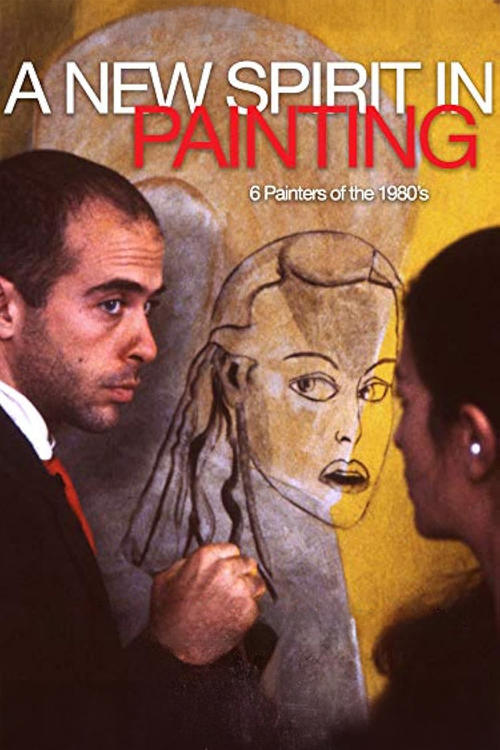
Explores the paths being forged by six modern artists, giving us rare insight into the minds behind this rousing new wave of painting.
Subscribe for exclusive insights on movies, TV shows, and games! Get top picks, fascinating facts, in-depth analysis, and more delivered straight to your inbox.
