
Action
Adventure
Animation
Comedy
Crime
Documentary
Drama
Family
Fantasy
History
Horror
Music
Mystery
Romance
Science Fiction
Thriller
War
Western
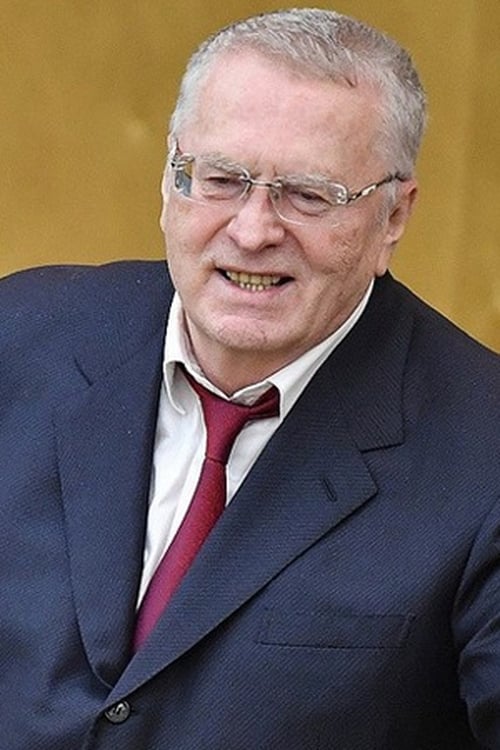
Biography not available at this time.
Explore all movies appearances
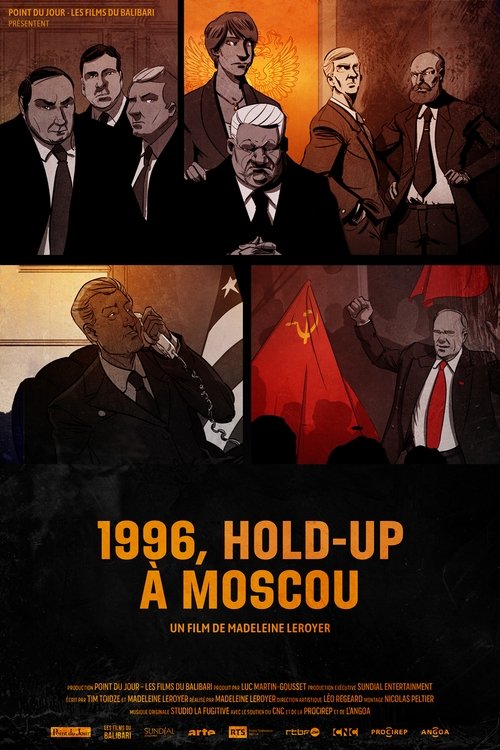
Moscow, January 1996. Boris Yeltsin gets ready to run for a second mandate of the presidency of the young Russian Federation. Polls are in the single digits. A painful economic transition, war in Chechnya, and the rise of criminal groups have left the majority of Russians dissatisfied with Yeltsin… and willing to vote for the communist leader Gennady Zyuganov. Yet six months later, Yeltsin won the election with nearly 54% of the vote. How did that happen?
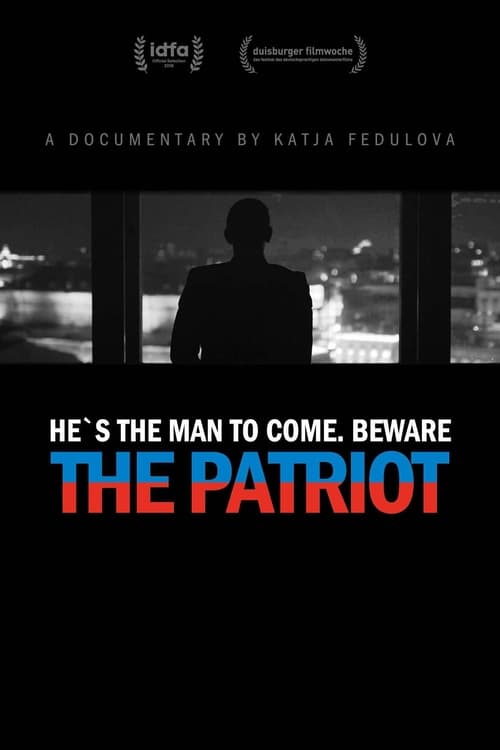
At the age of 21, Vasily Vlasov became the youngest parliamentarian in the Russian Duma. Given his abundant confidence and self-assured manner, he could have been a refreshing new voice.

There is no idle glorification and unnecessary chanting in this film. This is a clean, open, clear and truthful picture of the LDPR. The film reflects all the strength, power and energy of the Liberal Democratic Party of Russia. The film was shot all over the country — from Kaliningrad to Vladivostok. The film was created by the famous journalist Alexander Gordon. "20 years is already a biography," LDPR leader Vladimir Zhirinovsky said at the presentation. — The film is a memory of those 20 years that our party passed. During this time, hundreds of thousands of LDPR members and millions of supporters have joined our ranks." The film "20 years facing Russia" was created on the eve of the 20th anniversary of the LDPR.
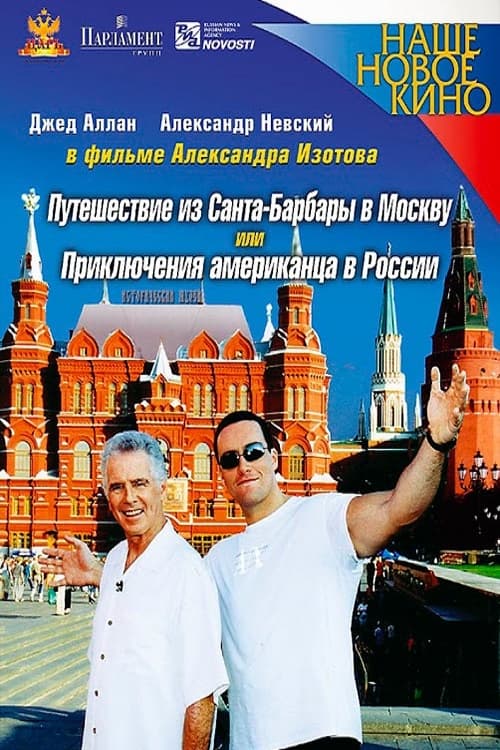
The second film in a series of documentary and journalistic films about Russia. This is an impartial and friendly story about how the capital of Russia lives, works, studies and relaxes, seen through the eyes of a foreigner. The film's host, American actor Jed Allan, familiar to many Russians for his role as CC Capwell in the TV series Santa Barbara, travels around the multimillion-dollar metropolis, accompanied by the Russian actor and athlete Alexander Nevsky. The presenters of the film are equally interested in the opinions of representatives of the modern elite and ordinary citizens. The daily life of the city is the main interest of the film's authors; the faces snatched by the cameraman from the Moscow crowd are his main characters. The idea of the film is to show modern Moscow as one of the brightest, most beautiful and most dynamically developing cities in the world.
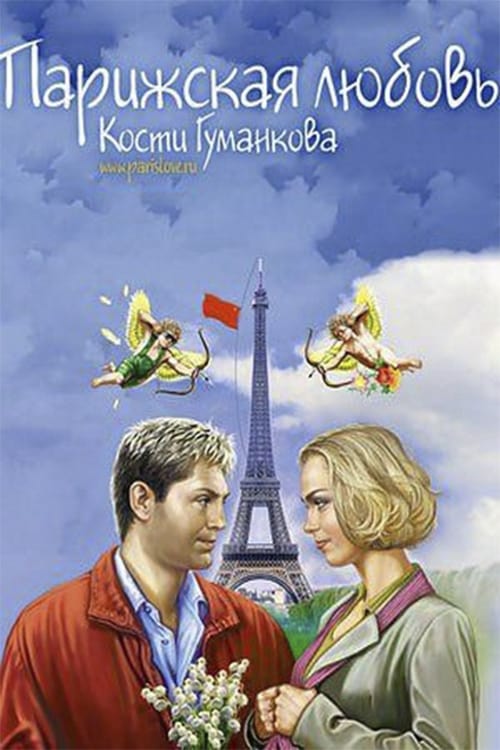
20 years ago young soviet programmer has fallen in love with love mate of his boss during joint tourist trip to Paris. Nowadays he comes back to Paris being a thriving business man.

A three-part documentary film (Russian Roulette, Lords of the Kremlin, and The Last Battle) directed by Alexander Gentelev based on the events that took place in Russia in 1991-2000.
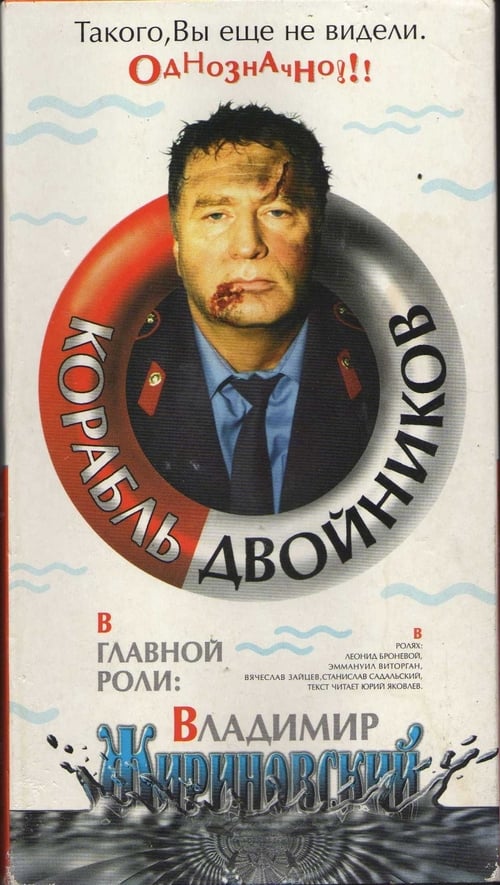
A ship with doubles sails from the pier on the Moscow River, heading with a show program to one of the provincial Russian cities. The murder of Thatcher's look-alike that happened on board is being investigated by police captain Zharov.
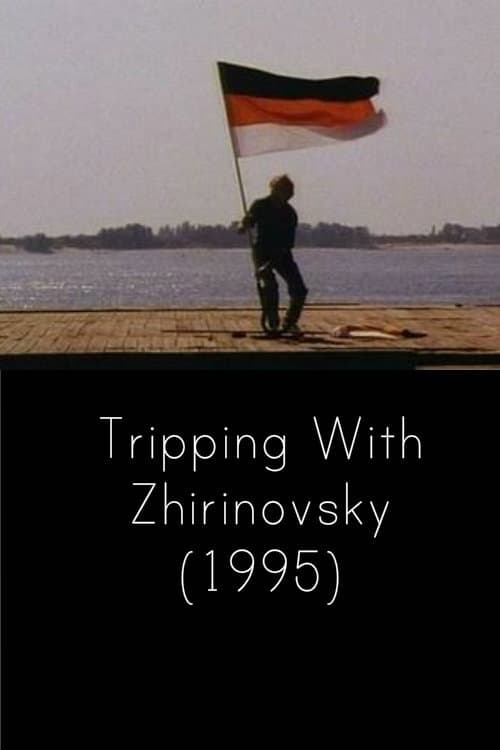
A candid, fly-on-the-wall BBC television documentary portrait of Russian Nationalist politician, Vladimir Zhirinovsky. The film shows the leader on a cruise surrounded by two hundred supporters getting plenty of media attention in New York. We are left with the nagging question: to what extent is Zhirinovsky really dangerous? To take that further, to what extent are populist politicians truly dangerous?

Why do these events, as they recede into the past, attract increasing interest? Probably because, as time goes on, it becomes evident that these events—almost unparalleled in human history—continue to have a profoundly fateful impact on the fate of democracy in Russia...
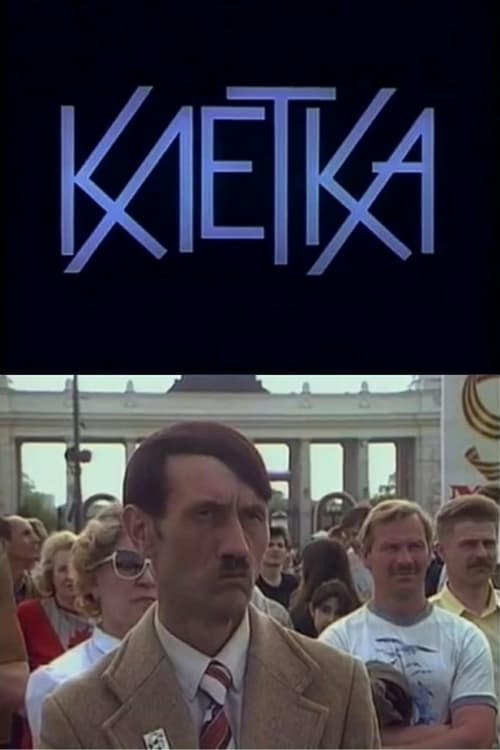
Hitler's professional look-alike from Uzbekistan arrives to Moscow to earn money.
Subscribe for exclusive insights on movies, TV shows, and games! Get top picks, fascinating facts, in-depth analysis, and more delivered straight to your inbox.