
Action
Adventure
Animation
Comedy
Crime
Documentary
Drama
Family
Fantasy
History
Horror
Music
Mystery
Romance
Science Fiction
Thriller
War
Western

Marcélia de Souza Cartaxo (Cajazeiras, October 27, 1963) is a Brazilian actress and director, who gained notoriety in the film A Hora da Estrela, based on the novel by Clarice Lispector. She has won several awards in her career, including two Grande Otelo awards, three Guarani Awards, a Kikito from the Gramado Festival, four Candango Trophies from the Brasília Festival, as well as the Silver Bear ...
Explore all movies appearances
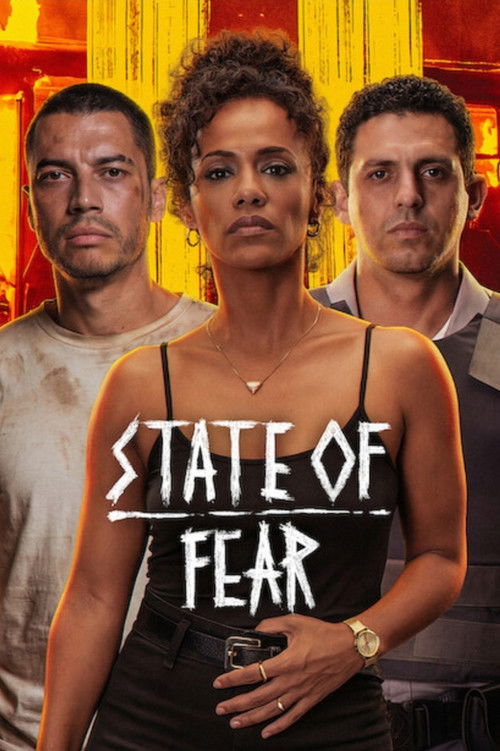
As São Paulo erupts in an unprecedented wave of violence, a lawyer with underworld ties must strike a deal with the police to rescue her kidnapped niece.

Glória Hartman, a mature woman going through an existential and financial crisis, returns to her hometown, which is undergoing a process of abandonment. Through a crack in the ruins of where the writer Clarice Lispector once lived, Glória begins to see fantastic scenes that will change her life.

In an ancient family mansion, mother Sydia and daughter Nina spend a tense night of isolation just as a solar storm threatens to collapse the Earth’s gravity. What begins as a fraught domestic moment quickly shifts when a mysterious visitor, Lara, arrives, and the house’s long‑missing employee, Joana, returns with disturbing news from the outside world. As the cosmic and terrestrial crises gather, the four women are forced to face buried secrets, generational trauma and shifting power dynamics. Their physical refuge becomes a battleground of psychological and symbolic upheaval, where the end of the world becomes mirror to the end of the old order — and perhaps the beginning of something new.
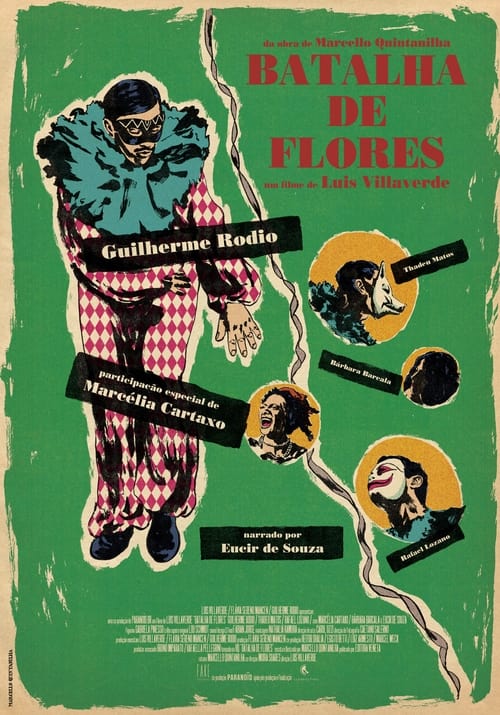
No plot available for this movie.

No plot available for this movie.
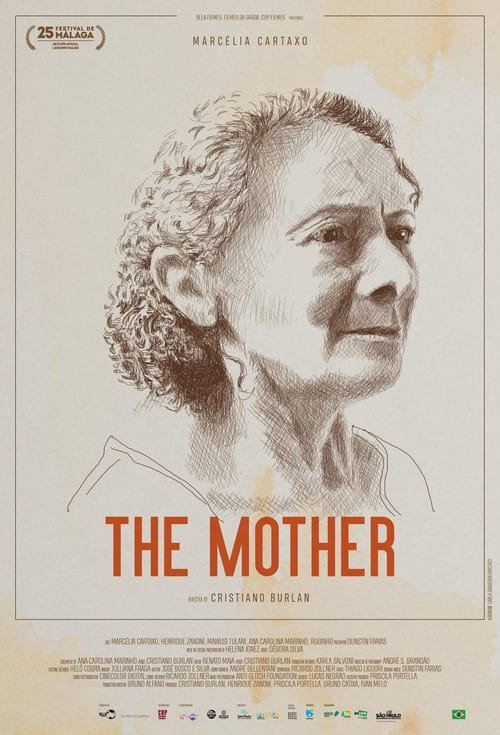
A street vendor who lives in the outskirts of São Paulo returns home at night and does not find her teenager son. After a nonstop search, she finds out the boy was killed by the police and his body is missing. This is the beginning of this woman’s vertiginous fight for the right to bury her son, a fight that will not only unveil the excessive violence of one of most lethal police forces of the world, but also how structural is racism in Brazilian society.
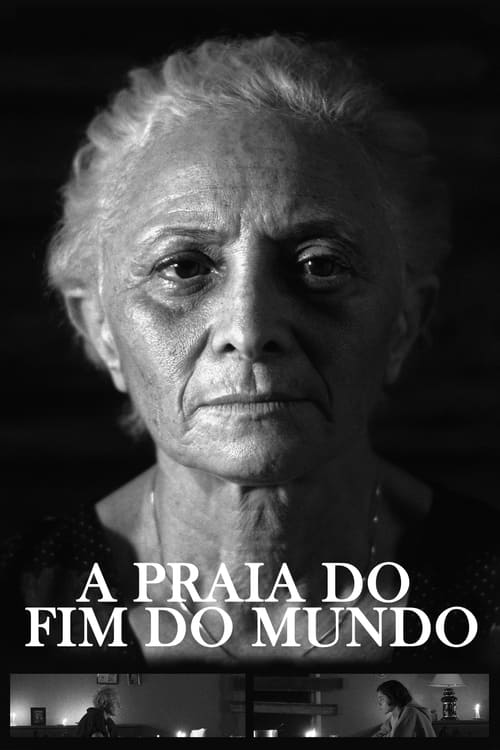
Young Alice lives with her mother Helena in Ciarema, in a house facing the sea. The residence suffers from the advance of the sea levels. The daughter, an environmentalist, plans to move elsewhere, but the mother wants to stay in town. They need to find a solution together.
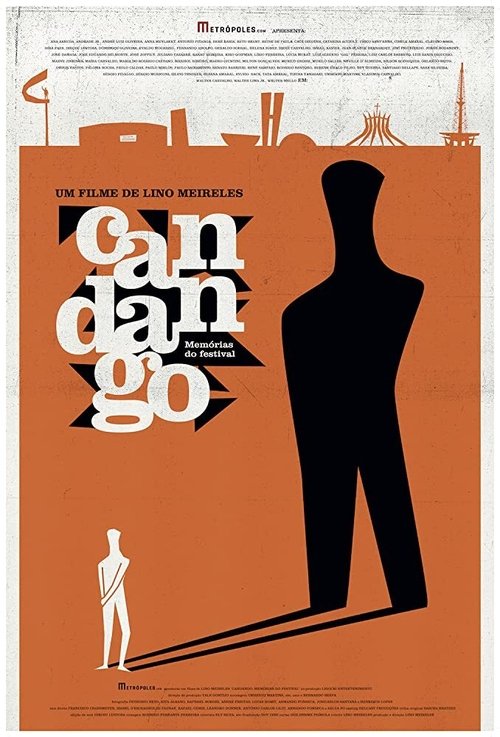
In 1965, a year after the military coup in Brazil, an oasis of freedom opened in the country's capital. The Brasília Film Festival: a landmark of cultural and political resistance. Its story is that of Brazilian cinema itself.
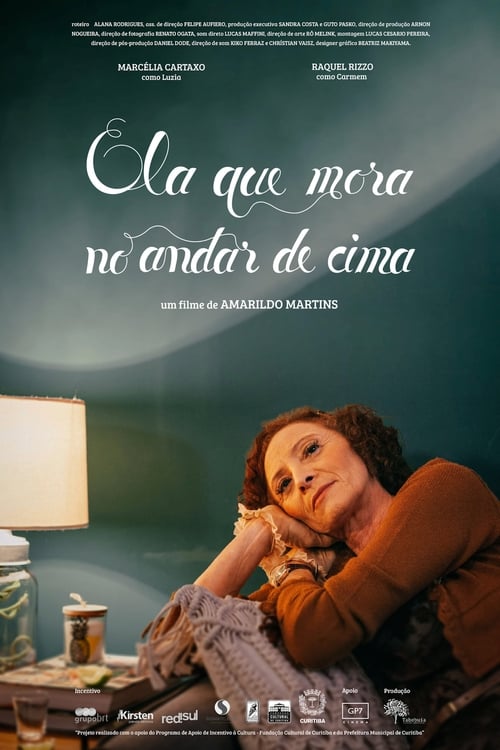
Luzia consumes all the sweets from the neighboring baker, Carmen. Friendship evolves into a platonic passion, which brings a new flavor to Luzia's bitter days.
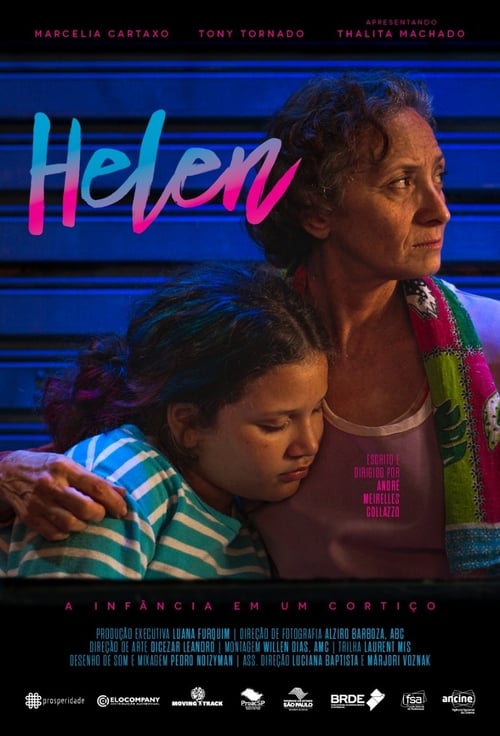
Helen lives in a cortiço with her grandmother, Mrs. Graça, who supports the family with informal jobs, such as selling skewers. Still very naive, her biggest concern is buying her grandmother a birthday present: a makeup kit. The girl is going to bend over backwards to get the money and her search will reveal the daily life of those living in tenements, outlining a collective story from the network of relations that the girl establishes.
Subscribe for exclusive insights on movies, TV shows, and games! Get top picks, fascinating facts, in-depth analysis, and more delivered straight to your inbox.