Action
Adventure
Animation
Comedy
Crime
Documentary
Drama
Family
Fantasy
History
Horror
Music
Mystery
Romance
Science Fiction
Thriller
War
Western
Explore all movies appearances
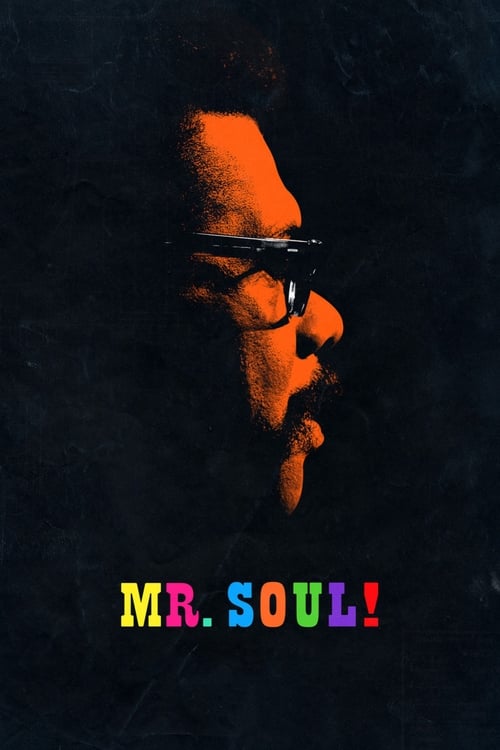
On the heels of the Civil Rights Movement, one fearless black pioneer reconceived a Harlem Renaissance for a new era, ushering giants and rising stars of black American culture onto the national television stage. He was hip. He was smart. He was innovative, political, and gay. In his personal fight for social equality, this man ensured the Revolution would be televised. The man was Ellis Haizlip. The Revolution was soul!
Director Jenn Nkiru authors a personal and powerful exploration of blackness through piecing together dreamlike portraits with stunning archival footage that includes Afrofuturism pioneer Sun Ra and revolutionary organization the Black Panther Party.
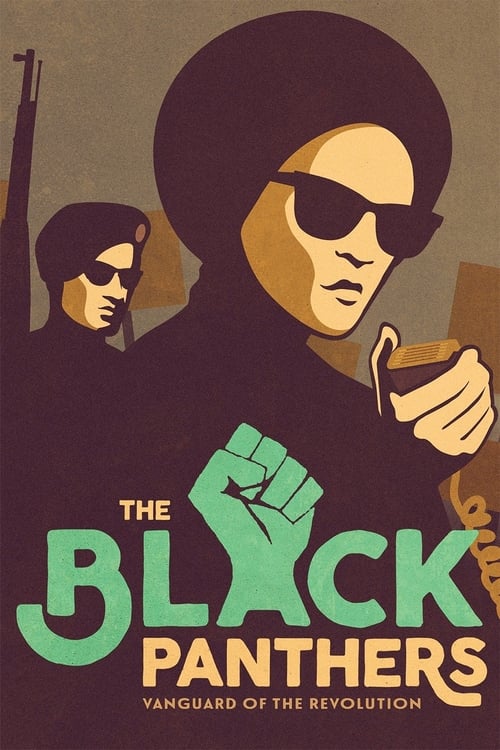
The story of the Black Panthers is often told in a scatter of repackaged parts, often depicting tragic, mythic accounts of violence and criminal activity; but this is an essential story, vibrant, human; a living and breathing chronicle of a pivotal movement that birthed a new revolutionary culture in America.
What does it mean to be Black in America in the 21st century? The recently formed Black American film group TNEG™ has set out to elucidate this very question. Hearing from the likes of fine artist Kara Walker and musical artist Flying Lotus, the film is based on a deceptively simple approach -- asking a refined list of black 'specialists' as well as 'uncommon folks' questions about what they think, and more importantly as lead director Arthur Jafa states, 'What they KNOW' -- the film is an unprecedented 'stream of the black consciousness' and a strikingly original and rarefied look at black intellectual and emotional life. What's so unorthodox about this simple approach is that the interviews were recorded separately from the images in the film. What results is a breathtaking, kaleidoscopic look of American black life from the dawn of three original filmmakers.
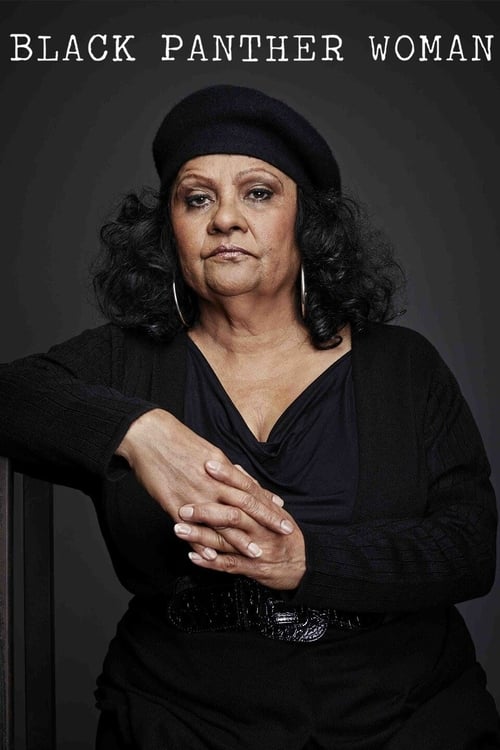
Marlene Cummins breaks a forty-year silence to tell the story of her abuse in the Australian Black protest movement, to overcome her demons of today.
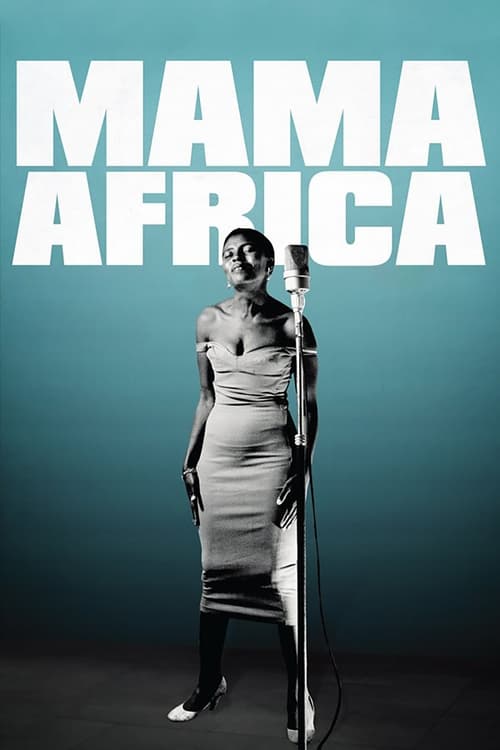
Miriam Makeba was one of the first African musicians who won international stardom and whose music was always anchored in her traditional South African roots. Miriam Makeba was forced into exile in 1959. She sang for John F. Kennedy, performed with Harry Belafonte and Nina Simone, was married to Hugh Masekela and also Stokely Carmichael. Her life was tumultuous. She always stood for truth and justice. She fought for the oppressed most importantly for black Africans, as a campaigner against apartheid. She died November 2008 after a concert in Italy. Mika Kaurismäki's documentary, traces fifty years of her music and her performing life. Through rare archive footage of her performances and through interviews with her contemporaries we discover the remarkable journey of Miriam Makeba.
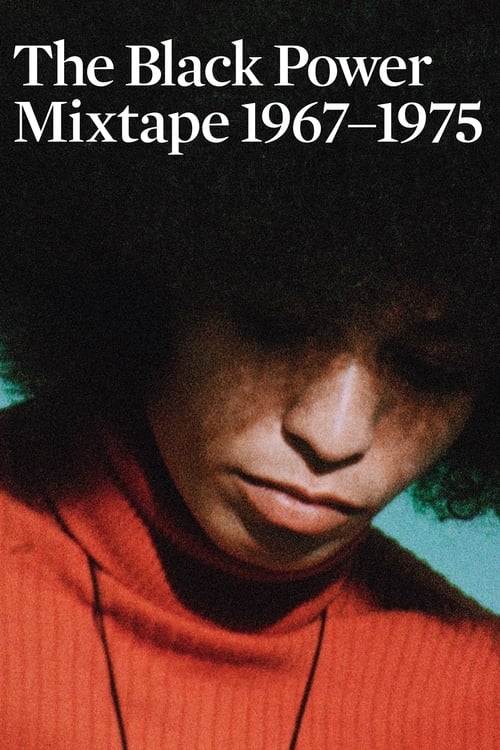
Examines the evolution of the Black Power Movement in US society from 1967 to 1975. It features footage of the movement shot by Swedish journalists in the United States during that period and includes the appearances of Angela Davis, Bobby Seale, Huey P. Newton, Eldridge Cleaver, and other activists, artists, and leaders central to the movement.
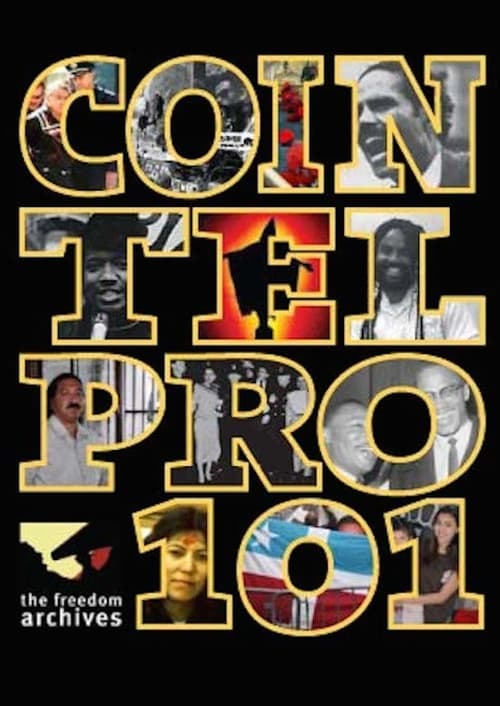
COINTELPRO 101 exposes illegal surveillance, disruption, and outright murder committed by the US government in the 1950s, 60s, and 70s. “COINTELPRO” refers to the official FBI COunter INTELigence PROgram carried out to surveil, imprison, and eliminate leaders of social justice movements and to disrupt, divide, and destroy the movements as well. Many of the government's crimes are still unknown. Through interviews with activists who experienced these abuses first-hand, with rare historical footage, the film provides an educational introduction to a period of intense repression and draws relevant lessons for the present and future.
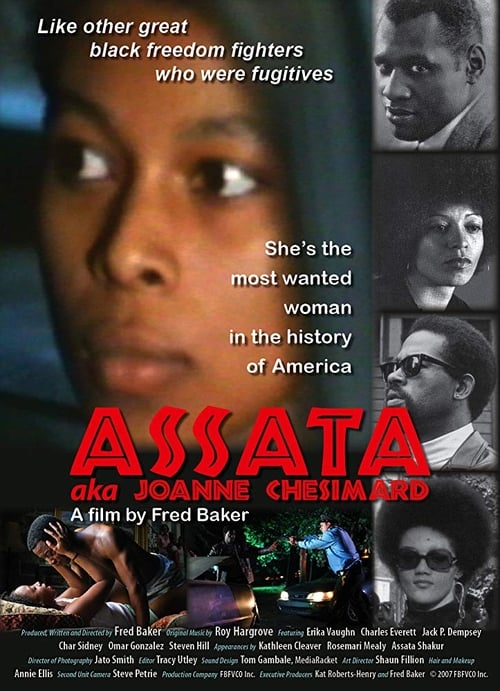
Through dramatic re-creation, archival newsreel footage and revealing interviews, director Fred Baker's docudrama explores the controversial murder case centered on Black Panther activist and political exile Assata Shakur. In 1977, Shakur was dubiously convicted for the shooting death of a New Jersey state trooper and was sentenced to life in prison, only to escape two years later and seek refuge in Cuba.
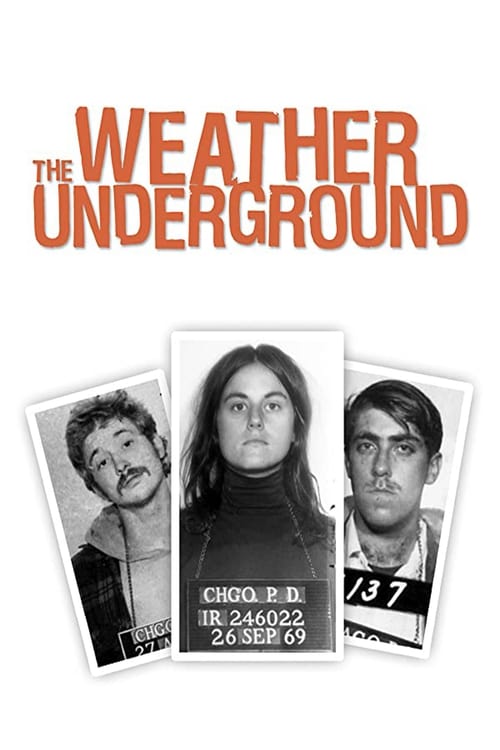
The remarkable story of The Weather Underground, radical activists of the 1970s, and of radical politics at its best and most disastrous.
Subscribe for exclusive insights on movies, TV shows, and games! Get top picks, fascinating facts, in-depth analysis, and more delivered straight to your inbox.