
Action
Adventure
Animation
Comedy
Crime
Documentary
Drama
Family
Fantasy
History
Horror
Music
Mystery
Romance
Science Fiction
Thriller
War
Western
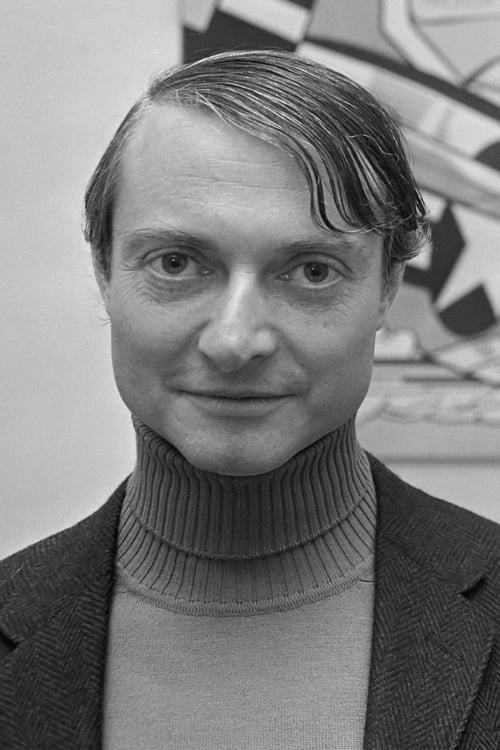
Roy Fox Lichtenstein was an American pop artist. During the 1960s, along with Andy Warhol, Jasper Johns, and James Rosenquist among others, he became a leading figure in the new art movement. His work defined the premise of pop art through parody.
Explore all movies appearances

Prior to his Pop-art fame in New York, Roy Lichtenstein struggled to find work and raised a family in Cleveland. His wife Isabel helped support him as he developed his signature style. But, before he could establish his career, she had to give up hers.
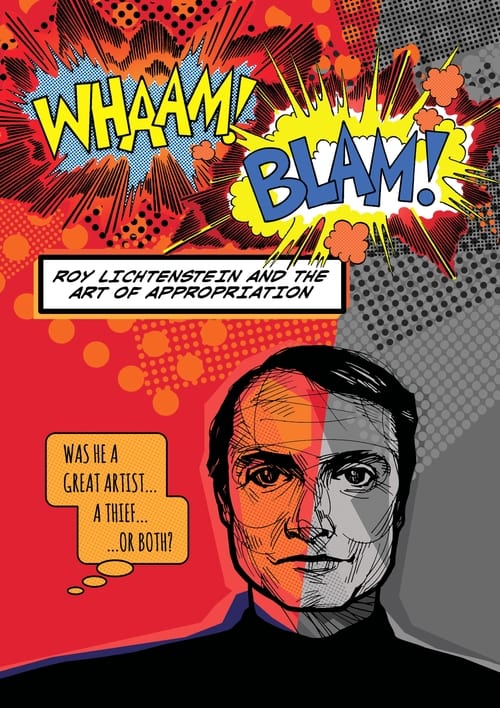
Was Roy Lichtenstein a great artist, a thief, or both? This is the question addressed by the feature documentary WHAAM! BLAM! Roy Lichtenstein and the Art of Appropriation. Along with Andy Warhol, Lichtenstein created the Pop Art movement of the 1960s. His comic-based paintings reside in the greatest art galleries and can fetch more than $150 million. But some view this renowned artist as a plagiarist. WHAAM! BLAM! focuses upon the last living comic artists whose work was “appropriated” by Lichtenstein, and they are not happy.

Metropolitan Museum of Art curator Henry Geldzahler reflects on the 1960s pop art scene in New York.
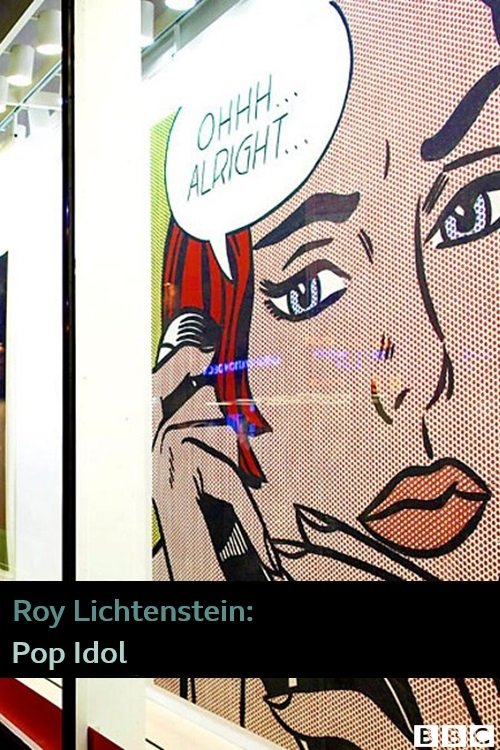
Paul Morley investigates the lasting appeal of art's very own Pop Idol. From failed Abstract Expressionist to pioneering Pop Art hero, Roy Lichtenstein revolutionized the art world with his big, bold, brash cartoon images of American culture. Even before Andy Warhol had picked up his can of Campbell's soup, Lichtenstein was making merchandise into art and cultivating his own durable brand, turning out work that was highly consumable and tirelessly reproduced.
Documentary about U2's album Pop and following tour.
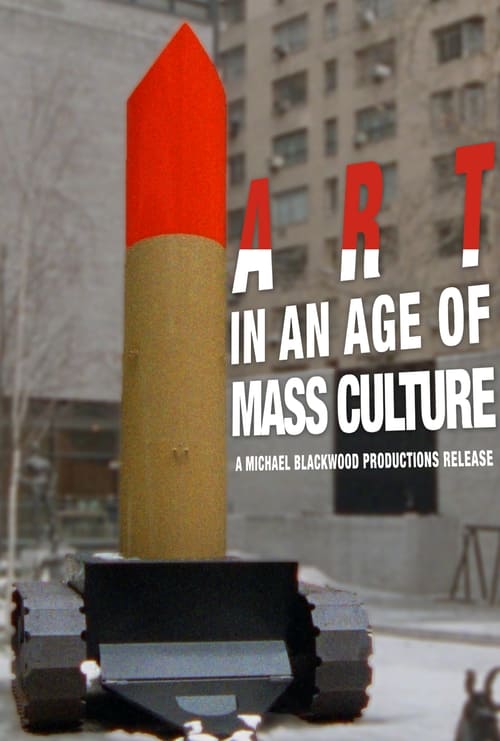
Art in an Age of Mass Culture pulls back the curtain and takes a look at the cultural climate surrounding MoMA's now famed exhibition, "High and Low: High Art and Popular Culture". Opening in the fall of 1990, the show placed a spotlight on the rapid merging of consumerism and the artistic avant-garde. Curated by Kirk Varnedoe and Adam Gopnik and featuring work from artists such as Jeff Koons and Roy Lichtenstein, "High and Low" ignites conversations of mass culture and our society's ever-changing relationship with the arts.
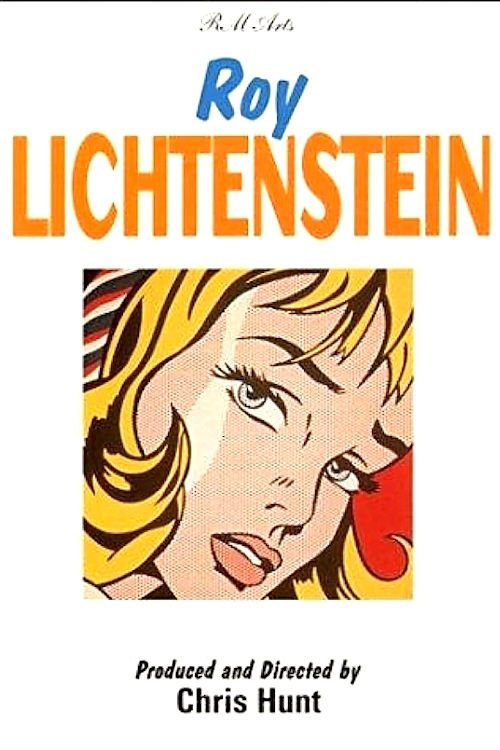
In this documentary Roy Lichtenstein is interviewed and discusses his life and art work, what influenced him, where his ideas came from, how his art adapted and how and why it changed over time. He discusses the Pop Art movement, a bit, mostly how he was one of a number of artists making art that was then called Pop Art. Also interesting is Lichtenstein tells what different art critics have said about different phases of his art and he shares his personal reactions to their statements. Additionally some footage of people criticizing and discussing his artwork is included, almost in a “he said, she said” manner which makes the viewer think about how sometimes what others say about an artist’s work may be a bit off or just wrong. Contrary to what non-artists may think, artists do usually have a reason or an inspiration behind what they create. Lucky for us this documentary allows us into the brilliant mind of Roy Lichtenstein.
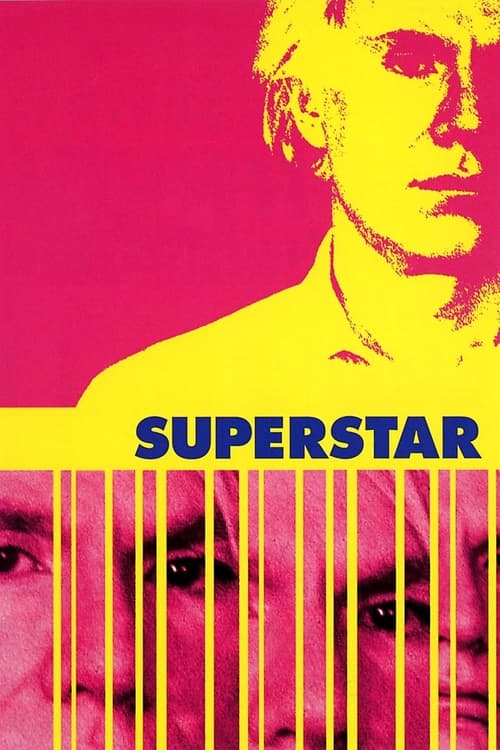
Iconic American artist and filmmaker Andy Warhol is the subject of this documentary, which looks at both his life and his influence on pop culture. The film provides details about Warhol's upbringing in Pittsburgh and follows his move to New York City, where he found massive success turning pop imagery into art and eventually founded "The Factory," his famed studio and party venue. Among the many notables interviewed are Dennis Hopper, David Hockney, and Roy Lichtenstein.
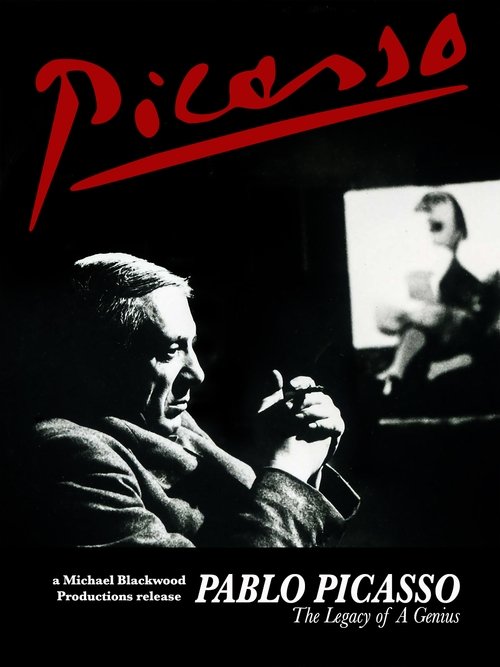
An assessment of the 20th century's best known artist and his vast achievements through the insights and speculations of over a dozen participants. Filmed on the 100th anniversary of Picasso's birth at MoMA, Musée Picasso, Walker Art Center, Museu Picasso Barcelona. Featuring Henry Moore, Anthony Caro, David Hockney, Roy Lichtenstein, Robert Rosenblum, Clement Greenberg, Roland Penrose and others.
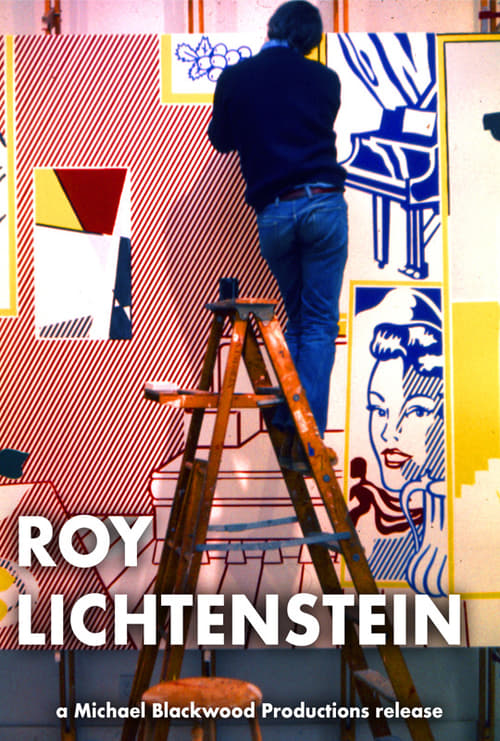
In conversation with Roy Lichtenstein, critic Lawrence Alloway places Pop Art on a continuum of twentieth-century art that includes collage, Dada, and Purism in referring to signs and objects of contemporary society; Lichtenstein argues for distinctions between himself, Warhol, Oldenburg, and others. In his Long Island studio, Lichtenstein works on an elaborate composition; one of his 4 major paintings on the theme "The Artist's Studio."
Subscribe for exclusive insights on movies, TV shows, and games! Get top picks, fascinating facts, in-depth analysis, and more delivered straight to your inbox.