
Action
Adventure
Animation
Comedy
Crime
Documentary
Drama
Family
Fantasy
History
Horror
Music
Mystery
Romance
Science Fiction
Thriller
War
Western
Explore all movies appearances
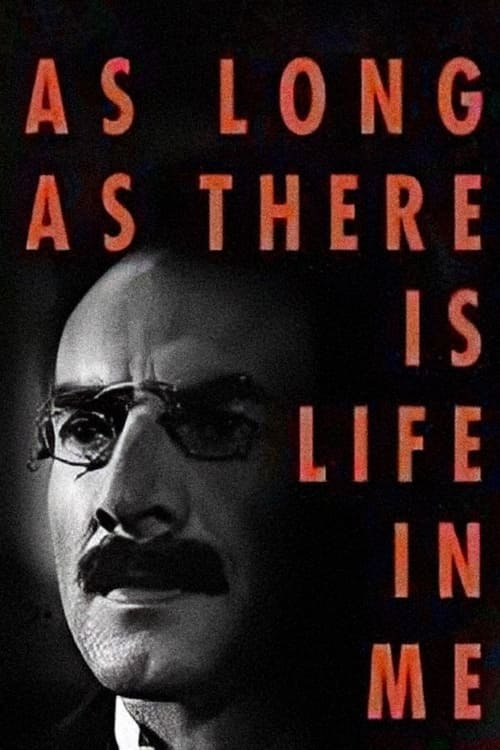
This is part one of a two-part biopic about Karl Liebknecht. In 1914, Germany is arming itself for war. Karl Liebknecht, left-wing revolutionary Social Democrat, workers’ leader and a virulent antimilitarist, is one among 110 SPD members of Parliament who vote against approving war loans. From then on, he is considered un-German and a traitor to the fatherland, and his own party’s leadership turns against him. Despite threats, Liebknecht speaks up against the war and writes the manifesto “The Main Enemy Is at Home.” Even when he is arrested and charged with treason, he does not surrender.
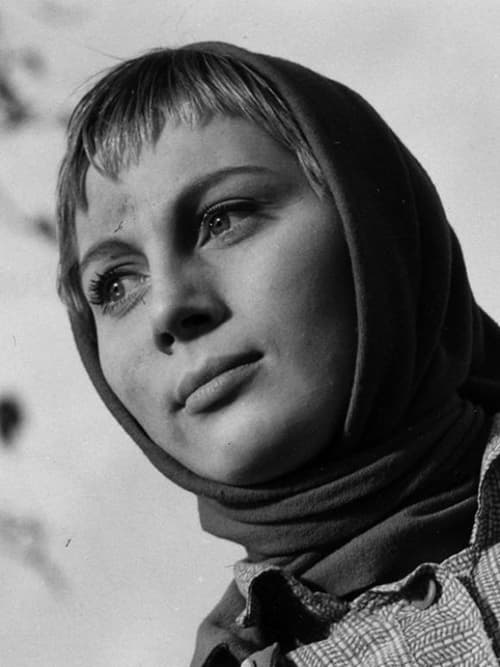
Christine is a young farm worker in a small village in post-war Germany. Her attempts to improve her situation through further education are hampered by frequent pregnancies arising from ill-fated relationships.
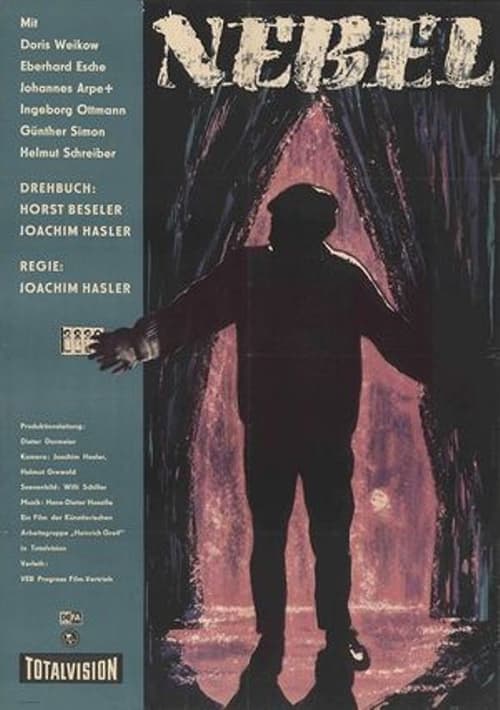
At the beginning of the 1960s, a German turns up on behalf of the NATO in the British village of Rocksmouth. NATO wants to establish a naval base in Rocksmouth, but first, the German envoy has to salvage an old ship wreck. In 1942, the "Princess of India" was supposed to bring children to safety in Canada but was sunk by a German submarine at departure. 58 people were killed, most of them children.

No plot available for this movie.
In spring 1957 Budapest, former lovers Sándor and Mónika reunite after 16 years at a street‐corner café. Their conversation flashes back to 1941, when Hungary joined WWII under Horthy and eight fresh teacher‐graduates, including Sándor and Mónika, vowed lifelong solidarity. War and shifting politics fracture their bond and force each to choose a path through turbulent decades. The drama echoes the 1956 uprising: participants seeking reform are branded “counter‐revolutionaries,” denounced by steadfast communists like László, who scorns defectors such as Béla for “dishonouring socialism and the people.”
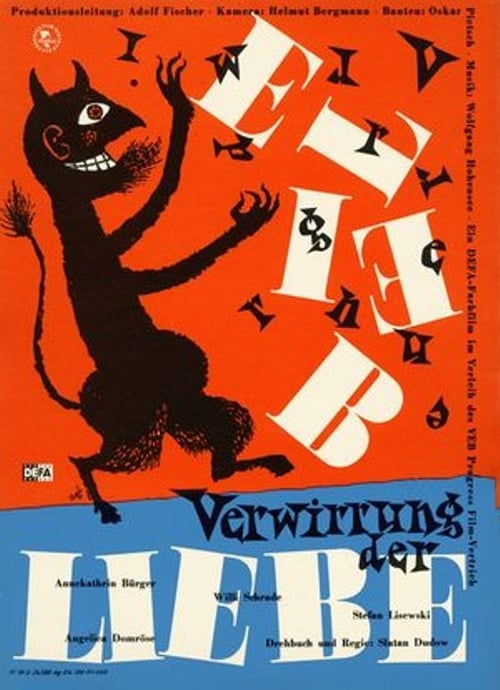
The film tells the love story of two young couples. According to their social ranks, construction worker Edy is dating employee Siegi, while medical student Dieter is dating art school student Sonja. Rather unintentionally, they exchange partners. During a carnival ball, Dieter makes out with Siegi because he falls for her her fresh and happy girlish manner. Sonja coolly observes this game and sees this intermezzo as a test for their relationship. While Siegi and Dieter vacation at the sea, Sonja falls in love with Edy. Now the die seems to be cast for new constellations. But when both couples stand in front of the registrar’s office, they finally come to their senses.
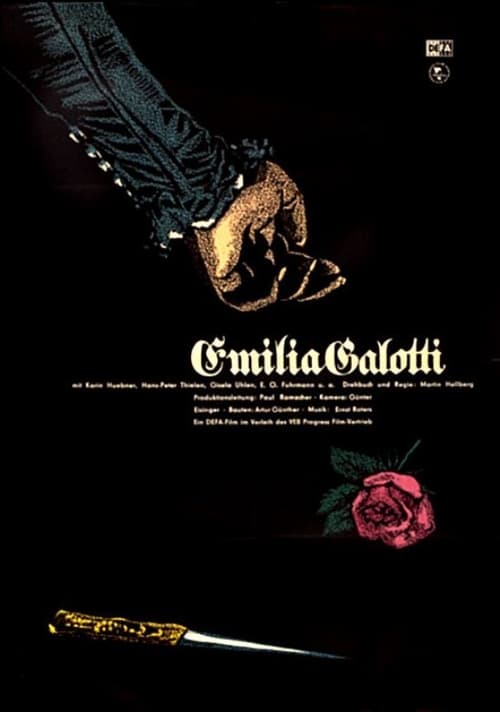
The Prince of Guastalla falls in love with the young citizen Emilia Galotti, who is soon to marry Count Appiani. In order to win Emilia, the prince tries to send the count on an "honorable" journey on his behalf with the help of his chamberlain Marinelli. However, after the Count refuses this offer, Marinelli decides to have the wedding carriage robbed on his own initiative in order to have Emilia abducted to the Prince's nearby pleasure palace. But he has not thought of the prince's mistress, Countess Orsina, and Emilia's shaken father Odoardo, both of whom soon arrive at the castle, one to meet the prince, the other to look after his daughter...
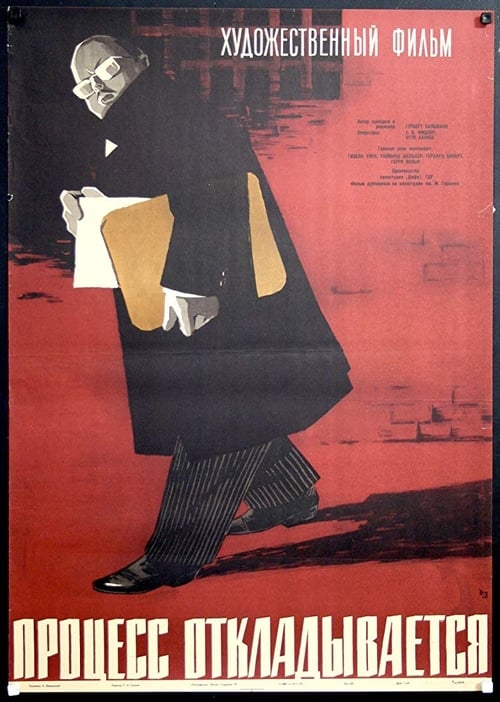
In 1955, Michael Vierkant, a Jew who had emigrated during the Nazi era, returns from abroad to the Federal Republic of Germany to obtain the conviction of Korn, the former informer responsible for the murder of his sister. Korn is back in office; Michael's efforts remain unsuccessful. There is a direct confrontation between the two, and Michael shoots Korn in self-defense. He flees and is hidden by the young, reclusive artist Marie Jäger, but is then caught by the police and charged with premeditated murder. The case is taken out of the hands of the criminal investigation department by the Office for the Protection of the Constitution, which constructs an act of political revenge on behalf of the communists. Michael manages to escape from prison. Marie and her friends organize a press conference at which Michael reveals the connections. The trial is postponed.
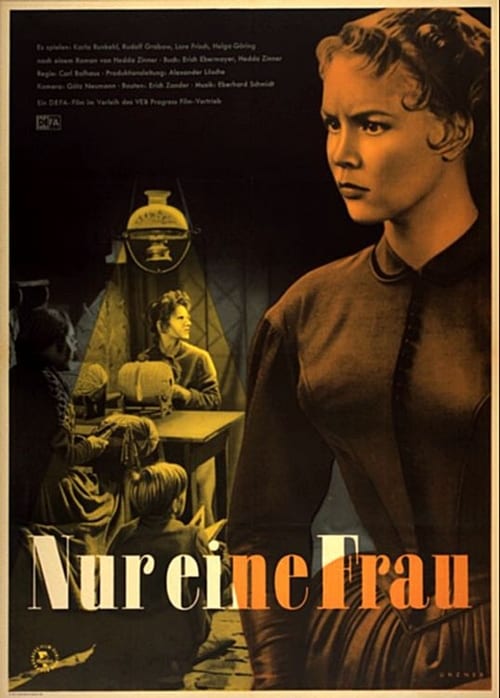
The film tells the life story of Louise Otto Peters, who in the middle of the XIX century in Germany for the first time raised a voice of protest against the unfair treatment of women and their labor. She created the first "women's newspaper" in Germany. The daughter of a famous lawyer, Louise could have easily arranged her life by marrying the wealthy Baron Rodern. But she chose a different purpose in life - to fight for equal rights for women. Through her articles and public speeches, she won the authority and respect of ordinary people.
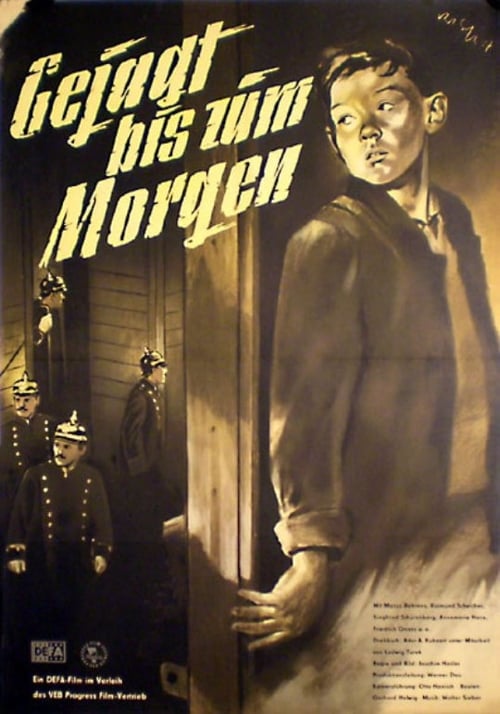
Drama about an impoverished family, a widowed mother and her two sons, trying to get by.
Subscribe for exclusive insights on movies, TV shows, and games! Get top picks, fascinating facts, in-depth analysis, and more delivered straight to your inbox.