
Action
Adventure
Animation
Comedy
Crime
Documentary
Drama
Family
Fantasy
History
Horror
Music
Mystery
Romance
Science Fiction
Thriller
War
Western

Antônio Luiz Sampaio OMC (Salvador, June 13, 1939), better known as Antônio Pitanga, is a Brazilian actor and filmmaker, who became internationally known for playing several roles on films of the Cinema Novo movement in the 1960s.
Explore all movies appearances

In the backlands of Goiás, Brazil, brutish men who cannot deal with their weaknesses are constantly abandoned by the women they love. Sad and bitter, these men turn violently against each other.
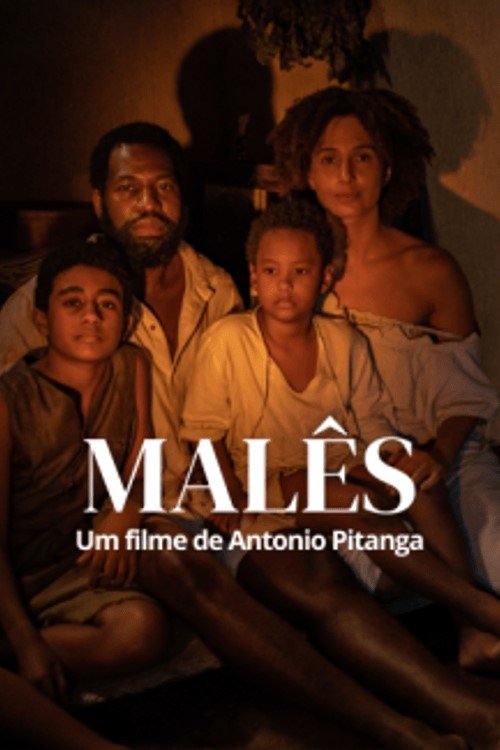
Based on historical facts, the film portrays the largest slave rebellion in Brazilian history, the Malê Revolt. The uprising mobilized the black population in the streets of Salvador against slavery in 1835. After the failure of the revolt, the protesters were harshly punished and repression against black people in Brazil increased.

Gledson is a lonely worker who left his hometown with the dream of becoming an actor in Rio de Janeiro. Tormented by vague memories of his past, he sees his life change when he begins to write a book about Teresa, a prostitute who goes through death expecting a child and ends up on a fantastic island. When a friend of Gledson decides to turn his book into a film, reality and fiction mix: while Teresa has to decide what to do with the child born on the island and the writer deals with the challenge of becoming a creator, the film changes when the director confronts the experience of her own motherhood.
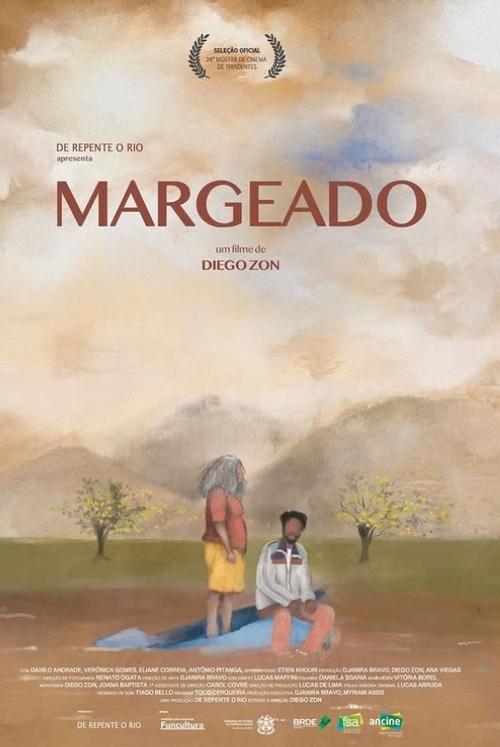
The river is not the same. It has turned into contaminated mud. Residents of a fishing village face an uncertain future after the dam burst. Yara and Dingue resume their lives, remain and drift in the memory of the place while the waters run down the mountains in the face of the indomitable forces of nature.
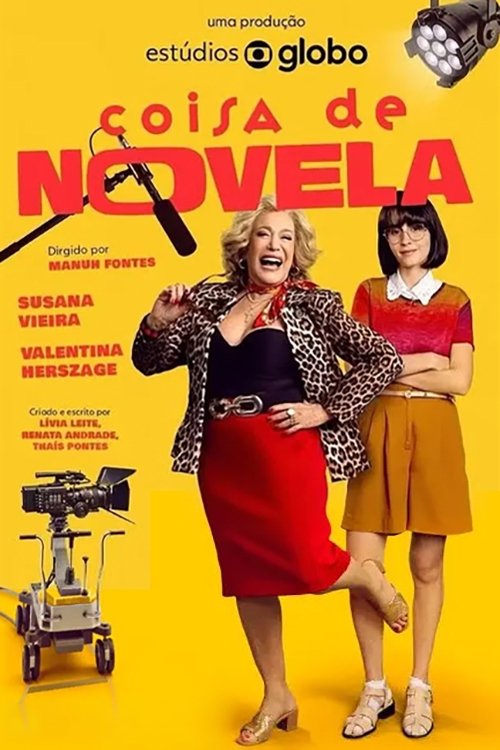
An estranged grandmother reconnects with her granddaughter after a difficult diagnosis and asks her for help to accomplish the dream of going to Rio de Janeiro and being on a telenovela.
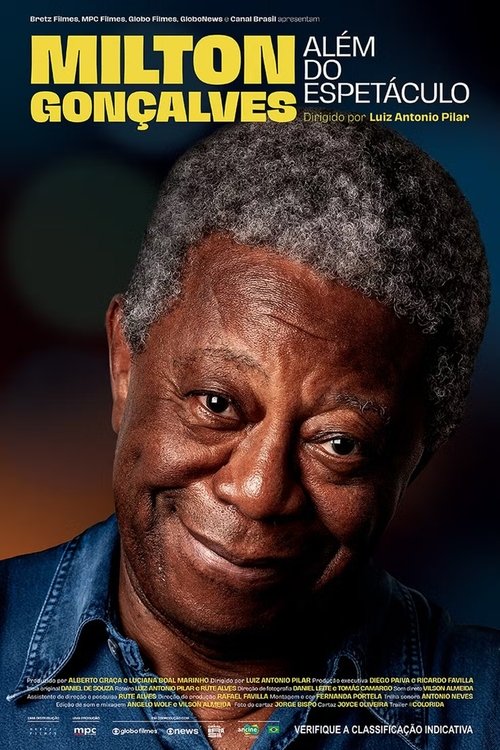
This biopic documents the life and work of one of Brazil’s most prolific artists: Milton Gonçalves. This actor and director are credited with more than sixty television titles, seventy movies and twenty plays. Known from classic full-length features like Macunaíma, They Don't Wear Black Tie and Kiss of the Spider Woman, his dramatic versatility also encompasses major Brazilian soap operas, including O Bem Amado and Roque Santeiro. With his talent, he overcame barriers faced by many Black performers in Brazil. An active on-screen and on-stage presence since the 1950s, his name is synonymous with the history of Brazilian television, theatre and cinema, making him a landmark talent in the performing arts world.

No plot available for this movie.

Recently divorced, Roberta is living her best life, until she discovers that someone has turned her biggest secret into the plot of a soap opera — where she is the villain.
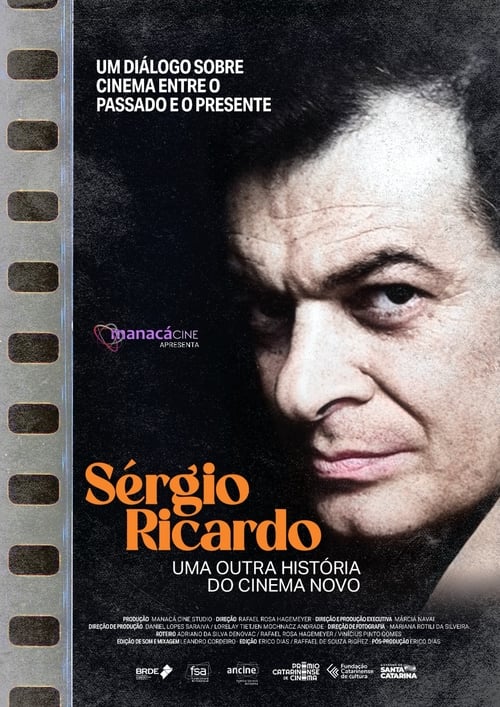
No plot available for this movie.

The film shows the resistance movement of the residents of Favela do Vidigal against the removal order, an important chapter in the history of Rio de Janeiro in the 1970s.
Subscribe for exclusive insights on movies, TV shows, and games! Get top picks, fascinating facts, in-depth analysis, and more delivered straight to your inbox.