
Action
Adventure
Animation
Comedy
Crime
Documentary
Drama
Family
Fantasy
History
Horror
Music
Mystery
Romance
Science Fiction
Thriller
War
Western
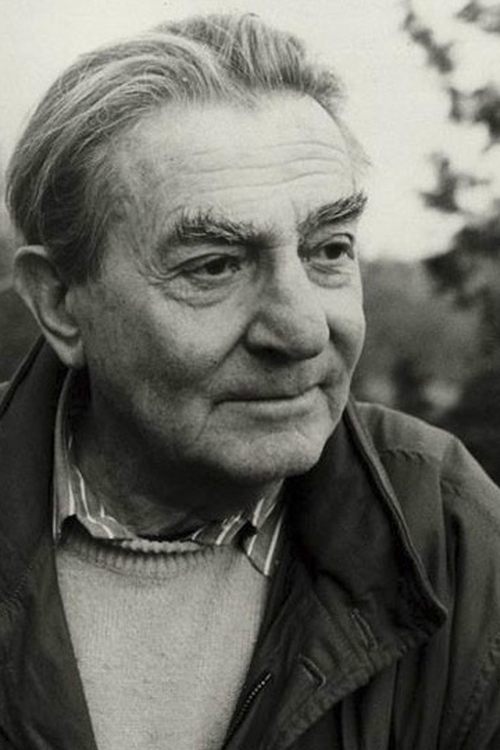
Henri Alekan (10 February 1909, Paris – 15 June 2001, Auxerre, Bourgogne) was a French cinematographer. Alekan was born in Montmartre in 1909. At the age of sixteen he and his brother became travelling puppeteers. A little later he started work as third assistant cameraman at the Billancourt Studios. He then spent a short time in the army, returning to Billancourt in 1931. In the late 1930s he w...
Explore all movies appearances
No plot available for this movie.
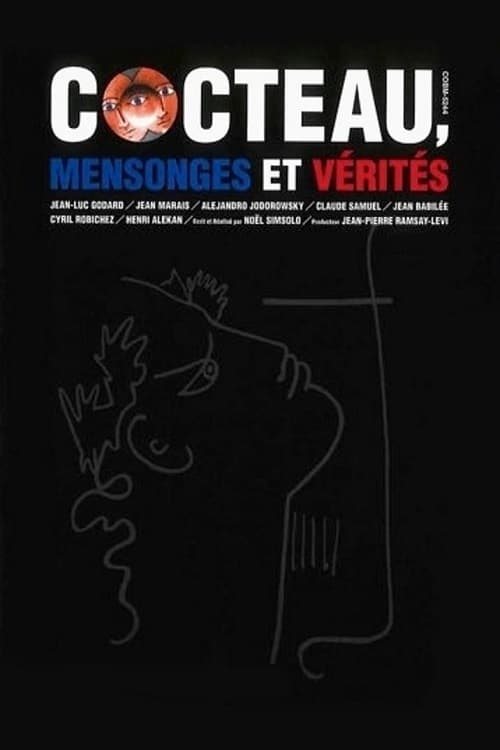
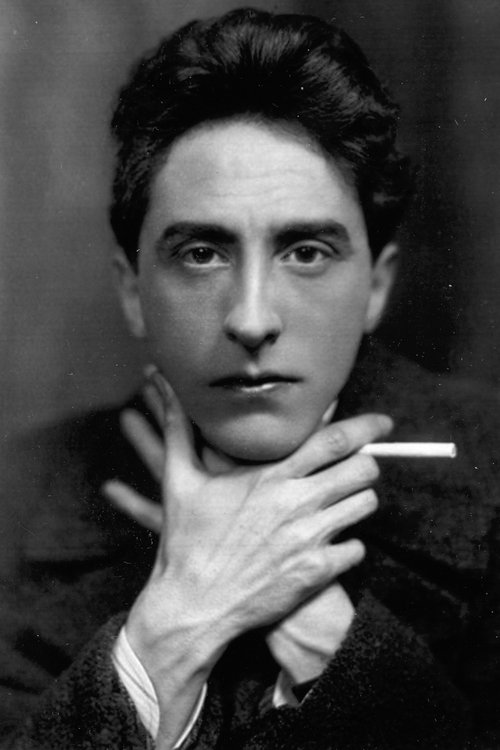
This documentary consists mainly of archive interviews of Jean Cocteau, and it features interesting contributions by Jean Marais and especially Jean-Luc Godard, who discusses Cocteau's foray into cinema. The film documents all the artistic media explored by a man who defined himself, first and foremost, as a poet.
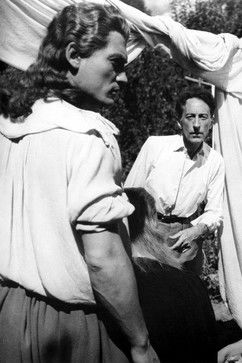
More than fifty years after its making, we return to the set of Jean Cocteau's 1946 film "La Belle et la Bete" (Beauty and the Beast). Included are interviews with the the lead actors, the cinematographer, along with excerpts read from the director's journal.

No plot available for this movie.
A primer on French film director Marcel Carne's career through interviews with critics and close creative collaborators.
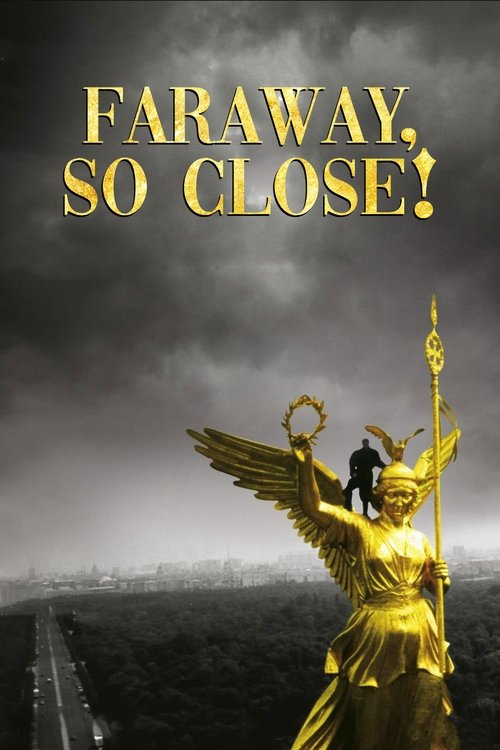
Damiel is now married to Marion, runs the pizzeria “Da Angelo” and the two have a child. The solitarily remaining angel Cassiel is more and more dissatisfied with his destiny as a mere observer of human life and finally decides to take the great leap. Taking the role of Karl Engel, he soon gets into a dubious milieu and finds himself as the assistant of the German-American Baker, who makes his money with shady arms deals and sends films east in exchange for weapons. Cassiel’s adventure turns into a “thriller” when he decides to put a stop to Baker’s game.
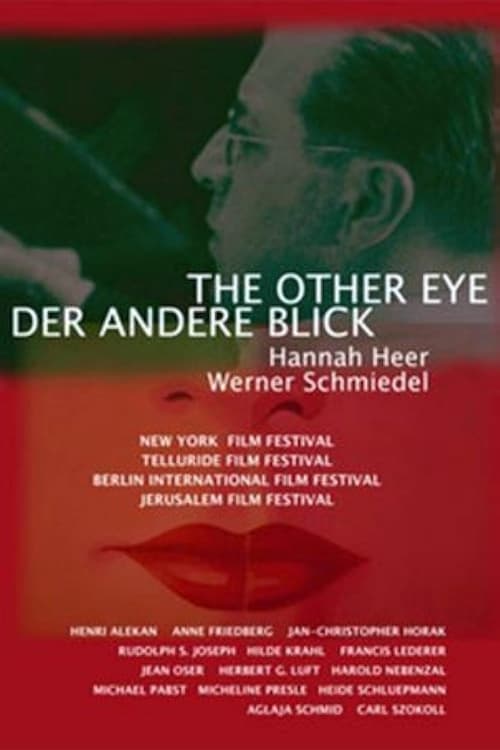
This film essay explores the strange case of G.W. Pabst, the Austrian filmmaker who was considered a giant of early cinema before his reputation went behind a cloud.
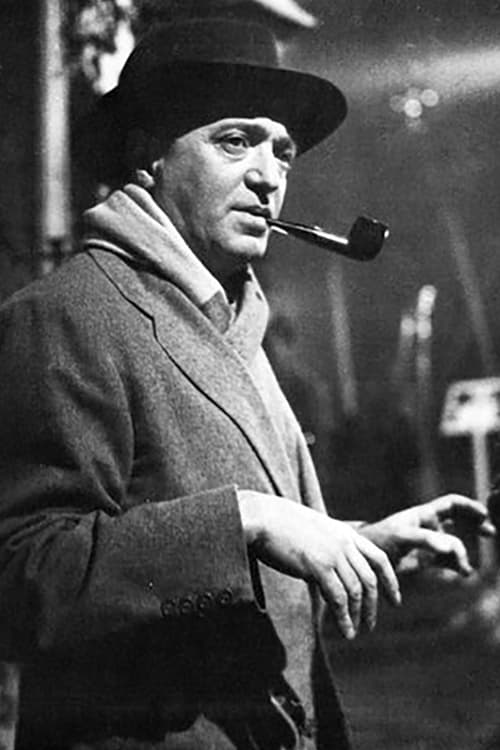
Employees remember the director Max Ophüls, who was forced to emigrate in 1933 - his fifth film "Liebelei" was a great success in cinemas. After an odyssey through France, Italy, the Netherlands and the USA, he returned to work in France and Germany in the 1950s. The film commemorates Ophüls, who died in 1957 at the age of 54, and uses a series of film examples to demonstrate his special way of directing.
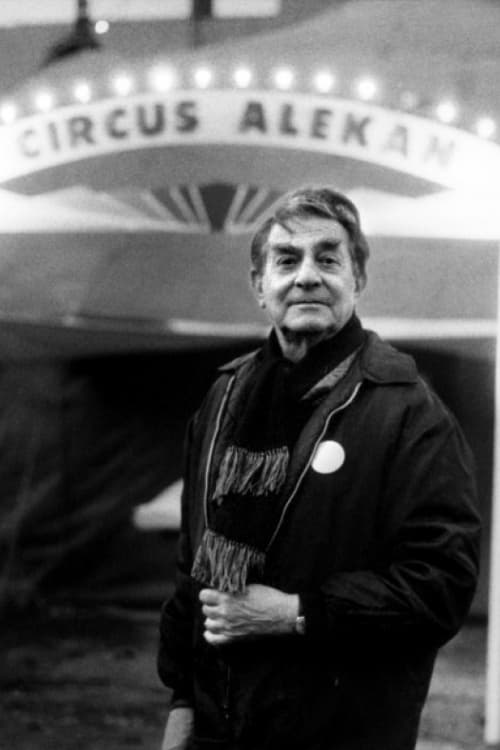
An episode of the show "Océaniques " about the craft and lighting techniques of the legendary French cinematographer Henri Alekan
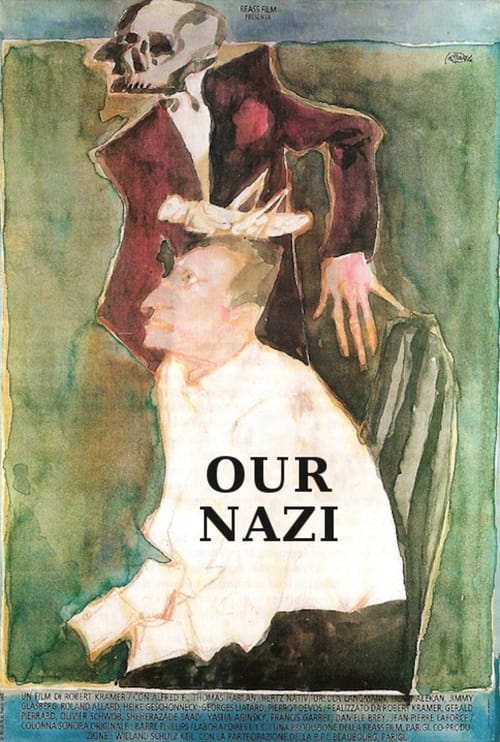
In Our Nazi, we are plunged into a situation we barely, and only slowly, understand: the filming of Thomas Harlan’s experimental feature Wundkanal (1984), in which true-life ex-SS officer Alfred Filbert, now very old, is ‘put on trial’ for the camera, without him suspecting what is to come or why he is really there. Kramer’s confronting film is an essay about the sticky complicity of everyone present at this event, each bringing their own history, their own political ideology, their own desires to take revenge, to seek redemption or compassion, or just to put their heads down and ‘get the job done’ professionally, or (in the case of Filbert) to be a star, a part of the magnificent, magical, seductive world of cinema, even if it kills him.
Subscribe for exclusive insights on movies, TV shows, and games! Get top picks, fascinating facts, in-depth analysis, and more delivered straight to your inbox.