
Action
Adventure
Animation
Comedy
Crime
Documentary
Drama
Family
Fantasy
History
Horror
Music
Mystery
Romance
Science Fiction
Thriller
War
Western
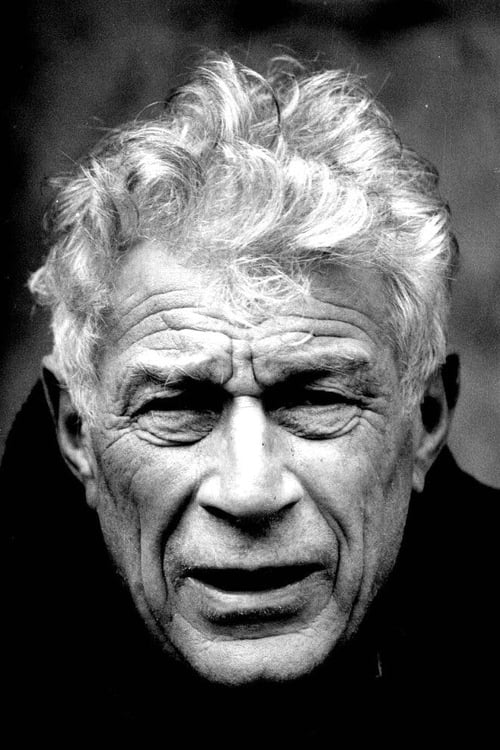
John Peter Berger (/ˈbɜːrdʒər/; 5 November 1926 – 2 January 2017) was an English art critic, novelist, painter and poet. His novel G. won the 1972 Booker Prize, and his essay on art criticism Ways of Seeing, written as an accompaniment to the BBC series of the same name, is often used as a university text. He lived in France for over fifty years.
Explore all movies appearances
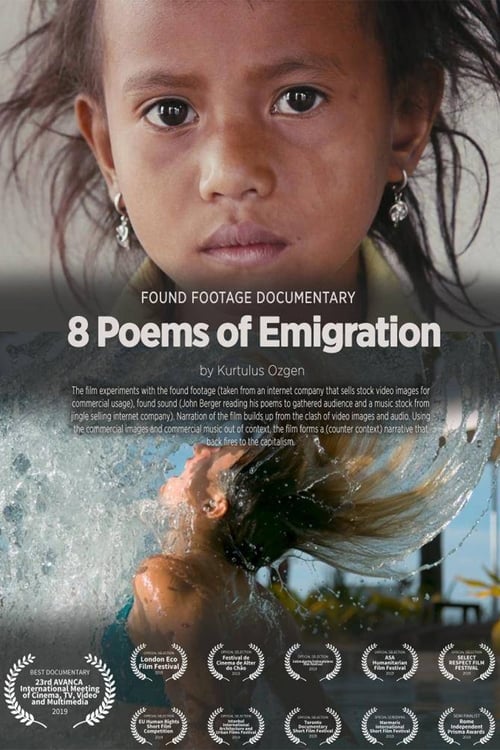
"8 Poems of Emigration" is a found footage film that focuses on the migration crisis. The film, while focusing on the immigration and immigration issue caused by the wild global capitalism, consists of the images and the found footage from the recording of the work named "8 Poetry of Immigration" that John Berger read to the audience in 2007 at the Fine Arts Center in Madrid. The narrative of the movie is revealed by the conflict between image and sound order. With the out-of-context (misuse) use of commercial images and music, the film creates a critical structure that opposes capitalism.

Short super-8 film capturing the changes taking place in Soho and questioned by John Berger's essay on twelve theses on the economy of the dead.

The Ways of Seeing writer is celebrated by Tilda Swinton and her fellow admirers in an unorthodox four-part documentary that visits him at his Alpine home
A creative documentary about becoming a parent... and how to reconceive yourself. Fiction director Josh Appignanesi turns the camera on himself and his wife as they undergo the ordeal of becoming parents in the era of man-children and assisted reproduction. Faced with fatherhood, Josh spirals comically into an envious career funk. But life-threatening complications emerge- the couple are tested to the brink, confronting shattering losses. It's a portrait of our generation going through a revolution in reproduction- forced to find new ways to think about ourselves as creative beings. We hear from Slavoj Žižek, John Berger, Darian Leader (20,000 Days) and Zadie Smith. Universal yet still taboo, it's a film for everyone who has children, wants them, or still feels like a child themselves.
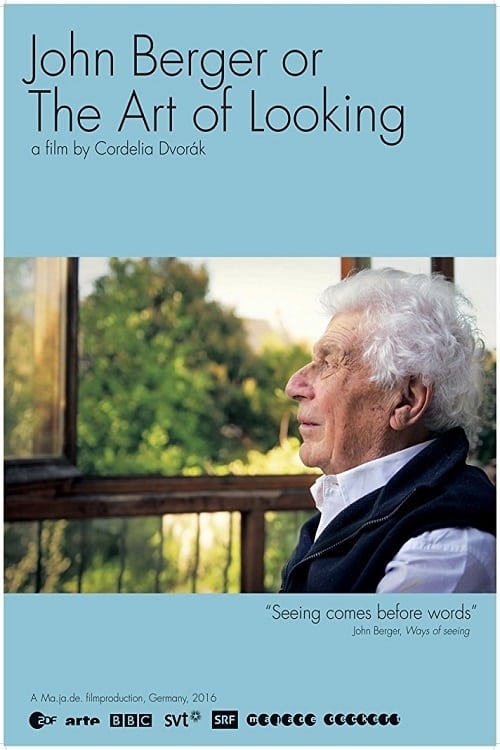
Art, politics and motorcycles - on the occasion of his 90th birthday John Berger or the Art of Looking is an intimate portrait of the writer and art critic whose ground-breaking work on seeing has shaped our understanding of the concept for over five decades. The film explores how paintings become narratives and stories turn into images, and rarely does anybody demonstrate this as poignantly as Berger.
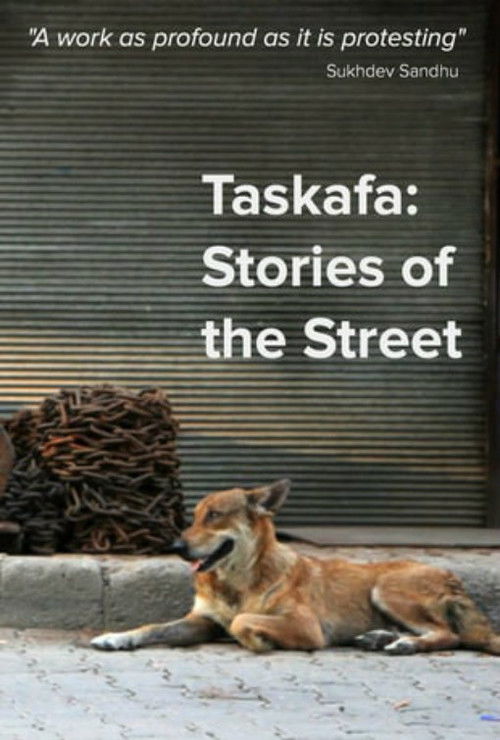
Taşkafa is a real dog and also a legend on the streets of Istanbul. John Berger begins Taşkafa’s story, reading from his novel, King, the story of the disappearance of a community told from a dog’s perspective. The area’s ordinary people – taxi drivers, shopkeepers, street traders – care deeply about the welfare of the city’s street dogs and they tell us stories about Taşkafa and their other canine neighbours. The animals are a symbol of community living, where people (and dogs) look out for each other, but this is a community in transition; one from which dogs are starting to be expelled. Eccentric, amusing and very warm, the film is a powerful indictment of the impact of global politics and the economic appropriation of public space but, even more, it is a tribute to both the spirit of resistance and to city life that can accommodate people and dogs together.
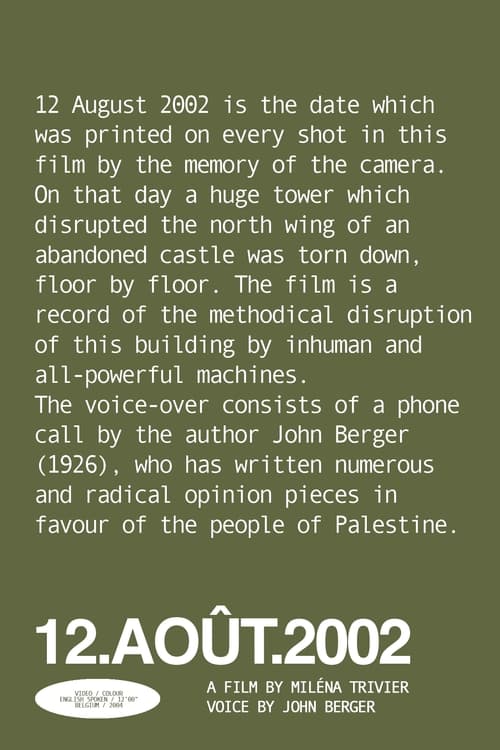
12 August 2002 is the date which was printed on every shot in this film by the memory of the camera. On that day a huge tower which disrupted the north wing of an abandoned castle was torn down, floor by floor. The film is a record of the methodical disruption of this building by inhuman and all-powerful machines. The voice-over consists of a phone call by the author John Berger (1926), who has written numerous and radical opinion pieces in favour of the people of Palestine.
No plot available for this movie.
Address to the inaugural Palestine Festival of Literature
An experimental journey to trace the lost ‘Arrows of Time’. Diary footage from the Director’s own observations at The Stanford Linear Accelerator Center are interwoven with poetry and commentary from cultural visionaries of the past such as Joseph Beuys and Jacques Derrida.
Subscribe for exclusive insights on movies, TV shows, and games! Get top picks, fascinating facts, in-depth analysis, and more delivered straight to your inbox.