
Action
Adventure
Animation
Comedy
Crime
Documentary
Drama
Family
Fantasy
History
Horror
Music
Mystery
Romance
Science Fiction
Thriller
War
Western
Explore all movies appearances
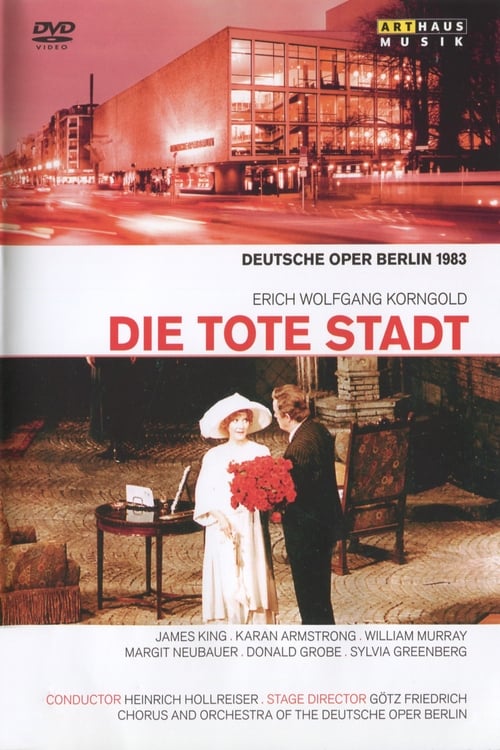
In 1920s Germany, Erich Korngold's work was considered “degenerate” and banned. Eventually, in 1934, he left for Hollywood. There, he made a name for himself as a film composer and only rarely wrote great works for the stage. Many of his quite successful operas, composed between 1913 and 1927, stopped being performed after World War II. Among these was his perhaps most significant work, Die tote Stadt (“The Dead City”), which was performed again for the first time after a long hiatus in 1955 in Munich. Further productions followed. Nevertheless, Götz Friedrich's version of 1983 for the Deutsche Oper Berlin was only the fifth new production of the opera after 1945.
No plot available for this movie.
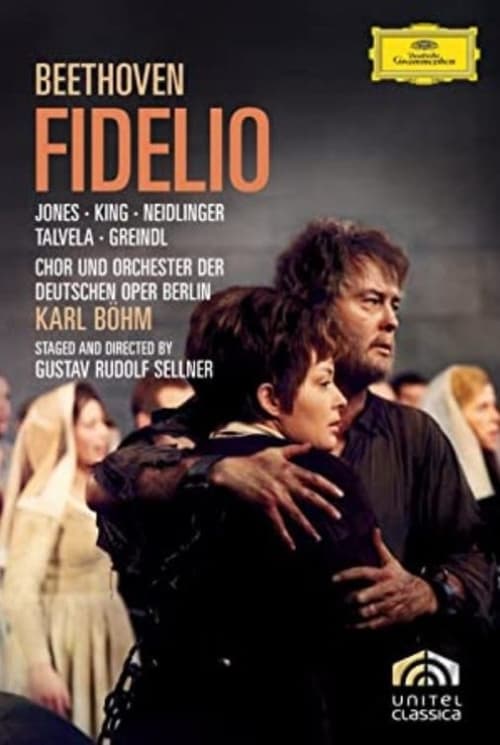
Beethoven's opera Fidelio, conducted by Karl Böhm, featuring Gwyneth Jones as Leonore and James King as Florestan
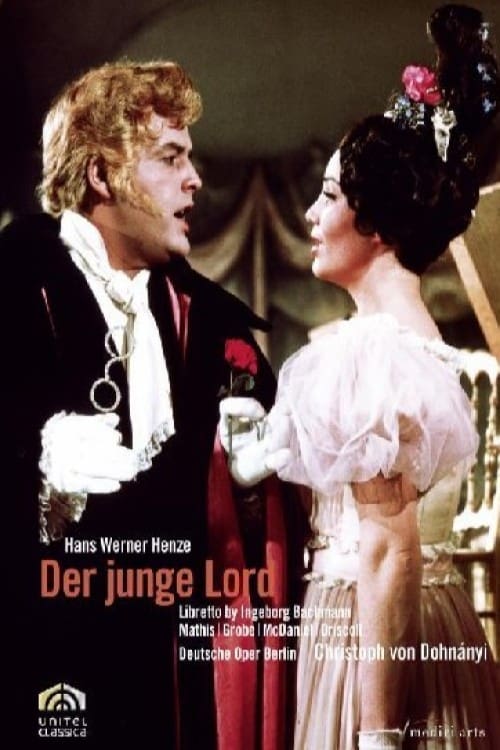
A 1968 production of Hans-Werner Henze's comic opera filmed at Berlin's Deutsche Oper. With the plot centering around how a whole town is deceived into taking a dressed monkey as a young lord, the work features performances from, among others, Edith Mathis, Donald Grobe and Barry McDaniel. Christoph von Dohnányi conducts.
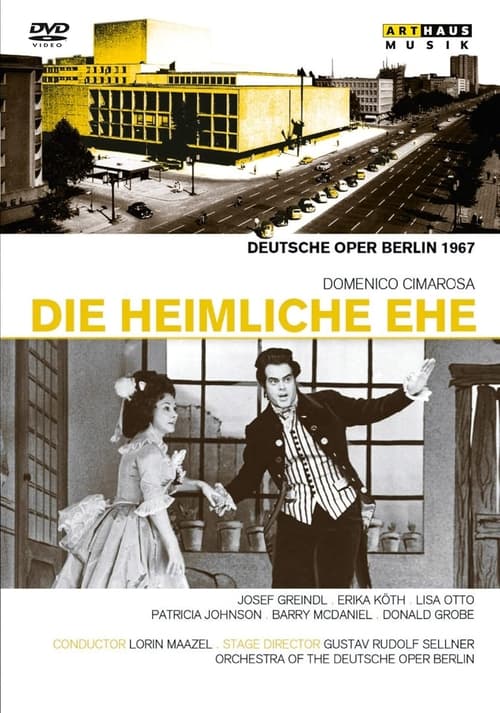
Staged by Sellner, conducted by Maazel with costumes by Sanjust and performed by the six soloists with consummate vocal elegance, Cimarosa's "Secret Marriage" offers unadulterated pleasure and triggers a kind of ecstasy with its combination of delicacy and opulence as well as its sophisticated humor. It brings Cimarosa's musical mastery to the fore - but also the visual impact of the opera. The stage is no longer a place of intellectual barrenness, but once again a playground, a sparkling showcase of wit and intellect.
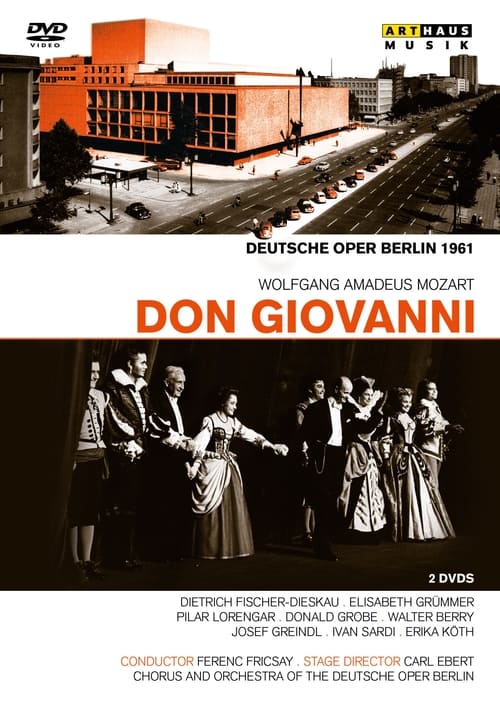
Of the five premieres produced during a four-month period, Mozart's "Don Giovanni" on the first night attracted an illustrious audience. In addition to the President of the Federal Republic of Germany and a selection of diplomats and politicians, high-ranking guests included theatrical directors from West Germany and other Western European countries, composers, conductors, actors, writers, painters and sculptors, not to mention rectors and lecturers from Berlin's universities and the world's leading music critics. [...] The success was commensurate with the significance of the occasion. All involved in the performance received countless ovations in front of the magnificent yellow curtain. The new building - and the new stage with its state-of-the-art technology - had shown itself to be more than capable of handling Mozart's most demanding work.
Subscribe for exclusive insights on movies, TV shows, and games! Get top picks, fascinating facts, in-depth analysis, and more delivered straight to your inbox.
