Action
Adventure
Animation
Comedy
Crime
Documentary
Drama
Family
Fantasy
History
Horror
Music
Mystery
Romance
Science Fiction
Thriller
War
Western
Explore all movies appearances

No plot available for this movie.
No plot available for this movie.
No plot available for this movie.
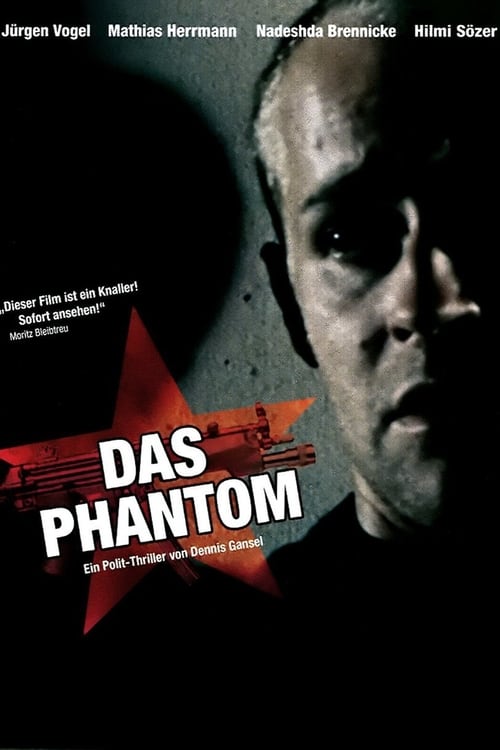
After the partner of a policeman is killed he is drawn into a mysterious plot of conspiracy and terrorists.
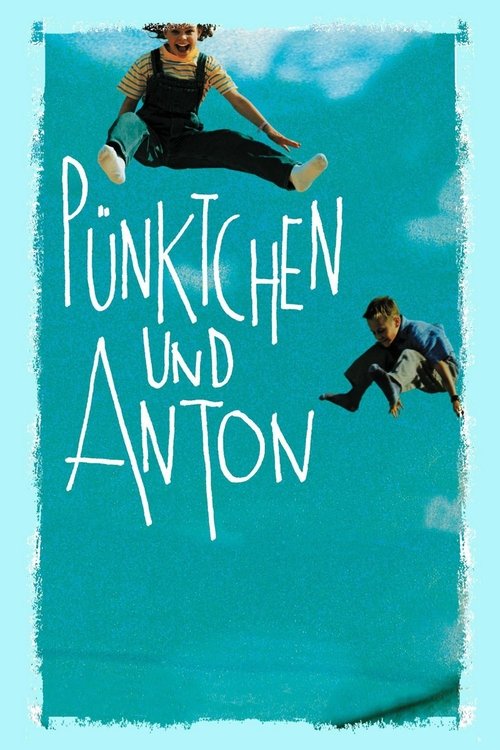
Luise, called Pünktchen, and Anton are closest of friends. Being the daughter of a wealthy surgeon, young Pünktchen lives in a great house. Her mother, who always travels through the world more for public relation reasons than for the social tasks she pretends to fulfill, is never available to her as a mother. Anton, son of a single and sick mother in financial trouble, does his best to help her out of it by working late. Pünktchen decides to help her only friend (as nobody else would anyway) and starts singing in public places. Trouble arises when Anton can't resist stealing a golden lighter and Pünktchen's secret life is discovered by her parents. Two troubled families finally can see the need for actions to be taken.

Chancellor Helmut Kohl is to blame in Germany and has to go away without violence. The homeless Hick takes up the idea and demonstrates the abolition of Kohl.
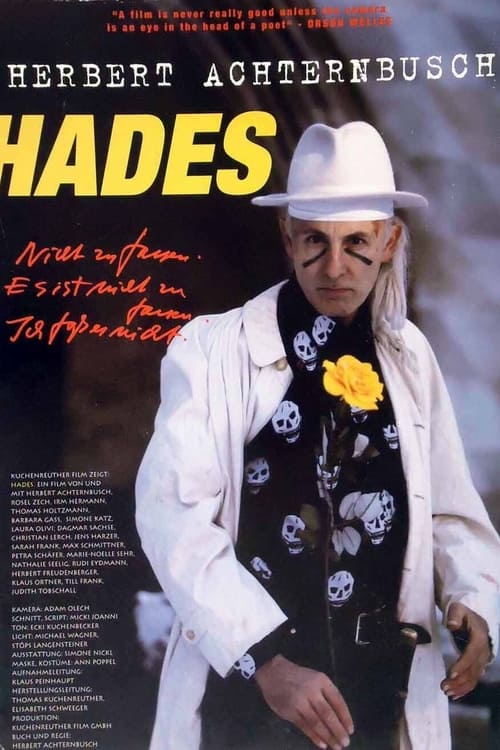
This German political drama from iconoclastic filmmaker Herbert Achternbusch takes a slightly askew look at neo-Nazis and the Holocaust. His non-story (a typical trait of Achternbusch films) is divided into three parts. The first introduces Hades, an eccentric half-Jewish coffin maker. Also introduced are the women in his life. The second part depicts different scenes from the city's Jewish ghetto. Included are disturbing film clips from Nazi propaganda footage that shows the naked corpses of starved Jews piled up in the streets with the insinuation that the heartless relatives of the dead would unceremoniously toss them out when they expired. In the third part, Hades is buried at sea. In between, neo-Nazis march unopposed in Munich, Hades battles skinheads, and Hades' shop is repeatedly vandalized. A scene where Hades is fascinated with death is also seen.
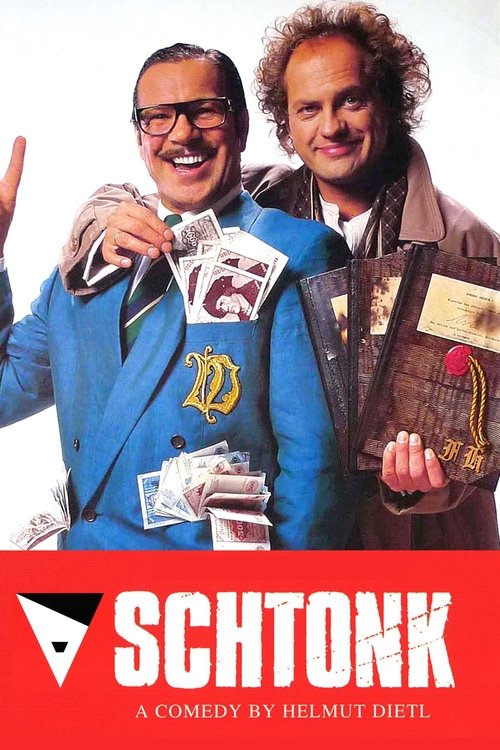
Schtonk! is a farce of the actual events of 1983, when Germany's Stern magazine published, with great fanfare, 60 volumes of the alleged diaries of Adolf Hitler – which two weeks later turned out to be entirely fake. Fritz Knobel (based on real-life forger Konrad Kujau) supports himself by faking and selling Nazi memorabilia. When Knobel writes and sells a volume of Hitler's (nonexistent) diaries, he thinks it's just another job. When sleazy journalist Hermann Willié learns of the diaries, however, he quickly realizes their potential value... and Knobel is quickly in over his head. As the pressure builds and Knobel is forced to deliver more and more volumes of the fake diaries, he finds himself acting increasingly like the man whose life he is rewriting. The film is a romping and hilarious satire, poking fun not only at the events and characters involved in the hoax (who are only thinly disguised in the film), but at the discomfort Germany has with its difficult past.
No plot available for this movie.
For fans of history, this glimpse of Munich society in the 1920s will be a much-treasured event. The story revolves around an art-gallery manager who puts on a show featuring the scandalous works of a woman artist who committed suicide. He is unjustly accused of having committed adultery with her, and for some reason the authorities decide to make an example of him. He is imprisoned at about the same time that Hitler and the nascent Nazi party attempt the infamous Beer Hall Putsch, and the gallery manager's girlfriend and a Swiss writer valiantly (and unsuccessfully) attempt to get better justice for him. Nobody in authority, it seems, has the courage to take up the challenge of righting this particular injustice.
Subscribe for exclusive insights on movies, TV shows, and games! Get top picks, fascinating facts, in-depth analysis, and more delivered straight to your inbox.