
Action
Adventure
Animation
Comedy
Crime
Documentary
Drama
Family
Fantasy
History
Horror
Music
Mystery
Romance
Science Fiction
Thriller
War
Western
Explore all movies appearances
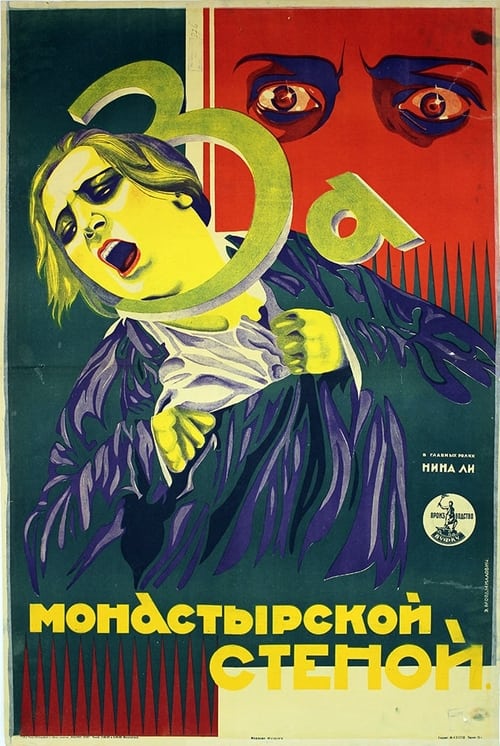
The old nunnery owns the best lands. Nuns rent out the land to local rich men, and exploiting peasants they have a wealthy life. The peasants live in misery. Especially, the family of the peasant named Levin. He is forced to give away his last horse, his son Andrii is imprisoned, his daughter Nastia becomes a maid of a rich landlord. Trying to prevent the master’s harassment, Nastia escapes and gets to the nunnery. She can see the other life of the nuns who manufacture false relics, drink alcohol and kill children. Nastia ends up in the basement for resisting one of the “spiritual pastors.” Meanwhile, her brother Andrii escapes from prison. He stirs up a rebellion and saves his sister. The film is lost.
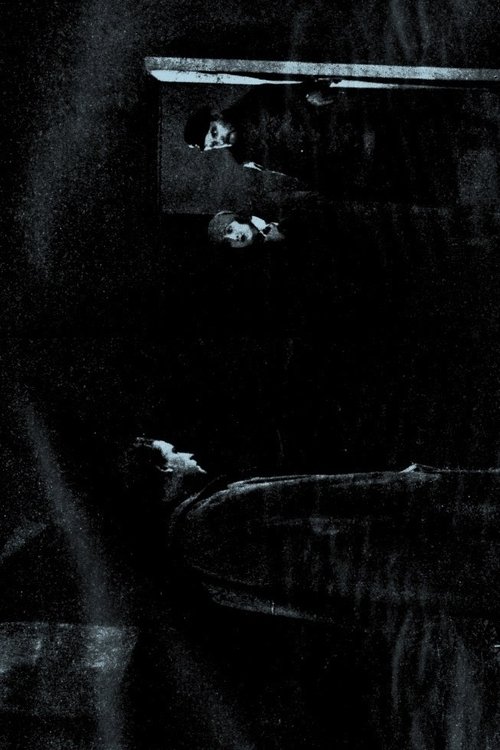
In October 1917, Warrant Officer Shakhov sided with the revolution.Shakhov is disturbed by the thought that once, during the imperialist war, he was arrested for participating in a revolutionary circle and, during interrogation, while in a semi-conscious state, revealed the name of his comrade and teacher, the revolutionary Rayevsky. This offense of Shakhov's was exposed. The Revolutionary Tribunal sentences Shakhov to death. At the last moment, he is saved by Raevsky, who by then had become a significant party figure named Turbin, who tells the court about Shakhov and the circumstances in which he unknowingly became a traitor. The tribunal acquits Shakhov. Based on the novel “Nine Tenths of Fate“ by Veniamin Kaverin.
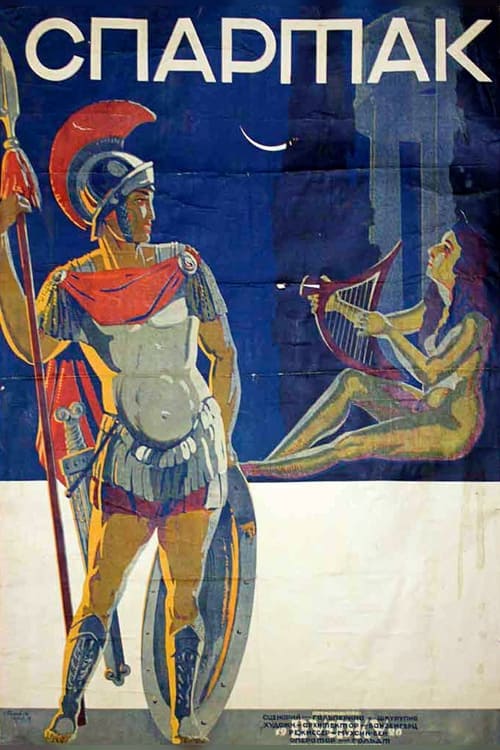
The owner of the gladiator school buys two slaves, the Thracian Spartacus and the Gaul Artorix. During the first fight in the arena, Spartacus wins over the Colloseum audience and his freedom. When freed from gladiator slavery, Spartacus calls slaves and Rome plebs for a rebel. The dictator Sulla dies. Spartacus and rebellious slaves lay out a camp near Vesuvius. The Roman commander Crassus is unable to take Spartacus’s camp by storm, so he lays siege to it. Spartacus is betrayed; he dies with his friend Artorix in a battle. The film is based on Raffaello Giovagnoli’s novel of the same name.
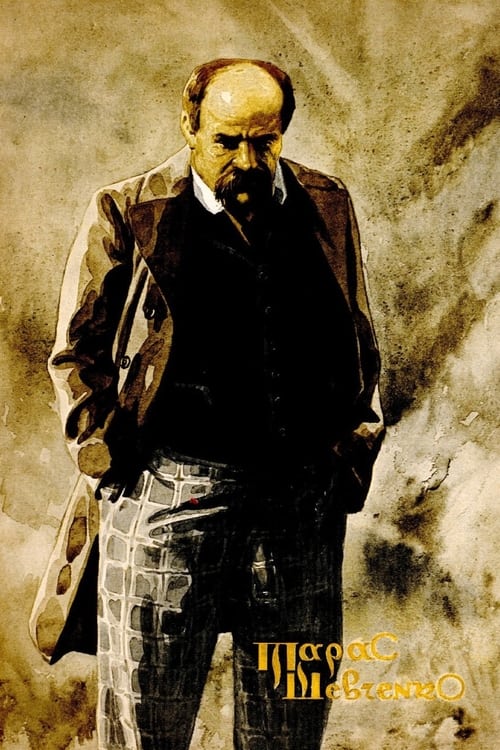
The film adaptation of Taras Shevchenko’s biography of 1925 is the first Ukrainian biopic. At that time, it was one of the most expensive films, as for the first time experts in history, ethnography, and literary studies were involved in pre-production. The famous Modernism artist, academician Vasyl Kryvhevskyi designed the film, and professor Serhii Yefremov served as a consultant. Consisting of numerous short stories, the film that shows the life of Shevchenko as an adolescent, a soldier, a poet, was successfully demonstrated in Ukraine and abroad and became the most acknowledged cinema project of 1926. Amvrosii Buchma played Taras Shevchenko.
Subscribe for exclusive insights on movies, TV shows, and games! Get top picks, fascinating facts, in-depth analysis, and more delivered straight to your inbox.
