
Action
Adventure
Animation
Comedy
Crime
Documentary
Drama
Family
Fantasy
History
Horror
Music
Mystery
Romance
Science Fiction
Thriller
War
Western
Explore all movies appearances
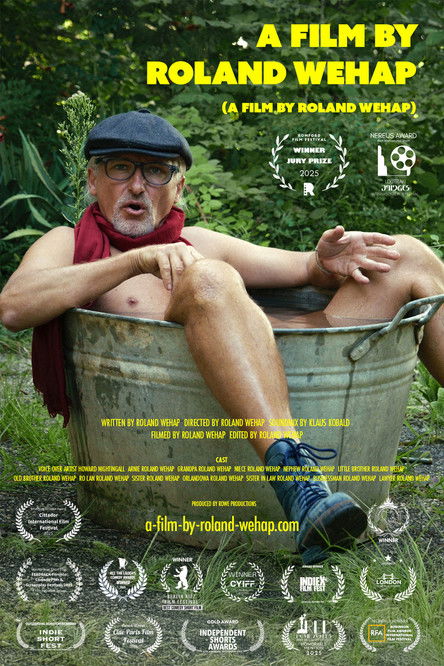
A Film by Roland Wehap is a sharp, self-aware satire that blurs the line between fiction and autobiography. In this audacious "one-man show," filmmaker Roland Wehap sets out to answer a radical question: Can you make a feature film entirely on your own and with almost no budget? With biting humor and raw honesty, the film chronicles the trials of a fiercely independent artist chasing recognition, glory - and maybe even a touch of immortality - through his uncompromising vision. Along the way, he crafts a film about his sleeping cat, launches his own film festival after rejections pile up, and briefly grabs the spotlight on the international stage. But behind the absurdity lies a sobering truth: success in the spotlight doesn't always pay the bills. Ultimately, A Film by Roland Wehap is both a satire and a love letter to filmmaking itself - a testament to creative persistence, no matter the odds.
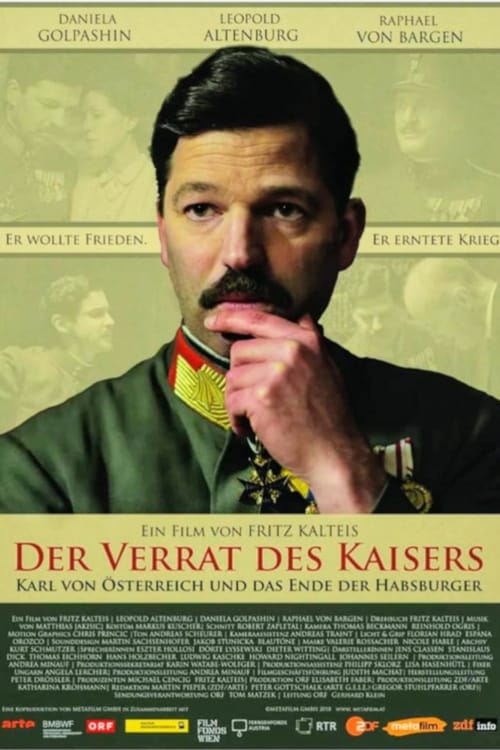
The Habsburg Dynasty had ruled large parts of Europe and the world for 650 years. During World War I, however, the mighty Austro-Hungarian Empire sowed the seeds of its own demise. At the height of World War I, the world of the Habsburgs was on the brink of collapse. Almost exactly 100 years ago to the day, in April 1918, the most sensitive diplomatic mission of the First World War became a Europe-wide scandal: the so-called "Sixtus Affair". Secret negotiations between the Austrian imperial family and France were supposed to bring peace to the Danube monarchy – and their failure caused the war to escalate and the Habsburgs to fall.
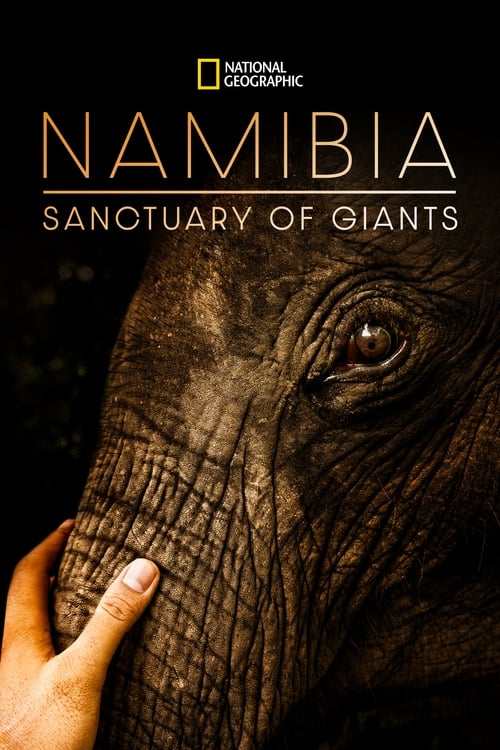
Discover the incredible story of a group of dedicated people working to protect one of the planet’s last refuges for Africa's iconic wildlife.

A Kellergasse – the cellar lane – is one of the distinguishing cultural and physical features of the winegrowing region Niederösterreich – Lower Austria. There are more than a thousand of them. Until recently, wine was not only stored in the Kellergasse, but pressed and fermented there as well. Today, the Kellergassen have less to do with occupation and more with recreation. A documentary by Georg Riha follows a year in the life of this valuable cultural legacy.
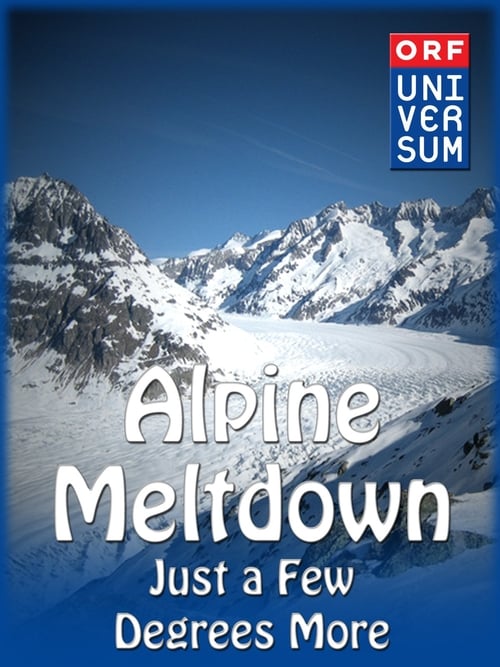
The climate is changing, global temperature is rising. The impacts are already apparent, especially in the mountains but also in the lowlands. The permafrost zone is shifting higher up and the masses of snow melt whooshing from the glaciers to the valleys are already increasing incessantly. Rivers are going to rise up to powerful floods and dwindle down to extremely low waters the next second.
In no other province have as many cultural buildings been erected in the last two decades as in Lower Austria.The documentary Building for the Arts presents a few outstanding examples of this cultural development.Starting with St. Pölten’s cultural district and the “Art Mile” in Krems, we show how contemporary architecture has uniformly established itself - from the revitalization of historic sites, including monasteries and castles, to the construction of sensational new buildings. The viewer will be led through the broad spectrum of exceptional building culture in Lower Austria, a culture which provides art, theater and music with the plentiful and spectacular stages it deserves.
The Zambezi is one of the world's great rivers, yet apart from the spectacular Victoria Falls, large parts of its course are virtually unknown. Never before has this mighty river been portrayed so comprehensively on film as in this two-part series. The Zambezi flows through the continent's most magnificent ecosystems and offers a glimpse of all the classic African animal species. It forms a lifeline through Africa's most impressive landscapes and determines the fate of the indigenous people and all other forms of life.
Although it crosses six countries and is over 3,500 kilometers long, the Zambezi is one of the least known rivers in the world. So it's time to take to the water and discover this mystical, ever-changing river, whose mood changes from day to day, kilometer to kilometer, and which is the very essence of life for millions of animals and people in this often drought-stricken, water-scarce region!
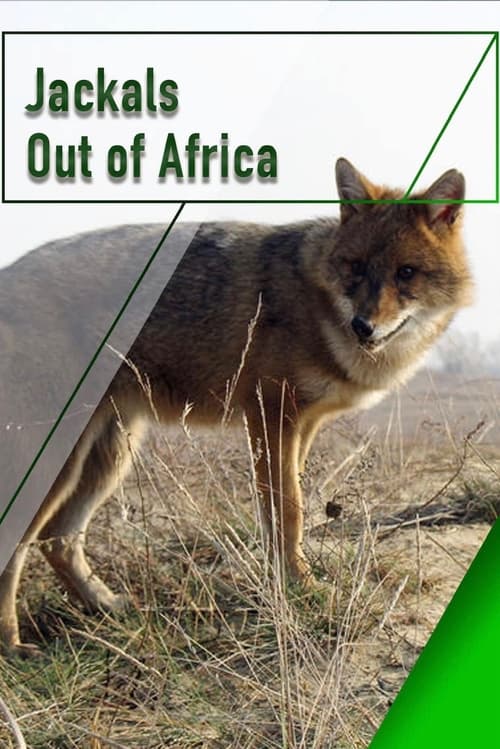
In some cultures, jackals were pursued and condemned as pests that fed on parasite-infested carcasses. In others, such as Ancient Egypt, they were divinely celebrated. This documentary accompanies a young scientist, who is drawn to these mythical mammals, and takes us on a journey to explore golden jackals, from Egypt to the barren hills of Greece.
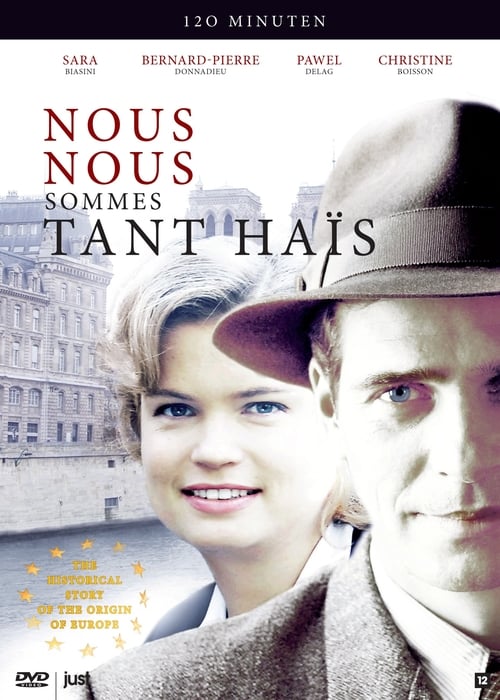
Paris, 1950. Jürgen is sent to Paris as a reporter to cover the preliminary negotiations for the establishment of the European Coal and Steel Community, where he unexpectedly meets Marie again. During the war, Jürgen, a Wehrmacht officer, was stationed in Marie's village. At that time, the two were involved in a passionate love affair that they had to keep strictly secret. Now Marie wants nothing more to do with Jürgen. Because she is hiding a secret. Not even her best friends know that Pierre is Jürgen's son. Everyone believes that Marie was raped during the war. Only her parents and brother had noticed Marie's love for a German at the time, disowned her from the family, and chased her out of the village.
Subscribe for exclusive insights on movies, TV shows, and games! Get top picks, fascinating facts, in-depth analysis, and more delivered straight to your inbox.