
Action
Adventure
Animation
Comedy
Crime
Documentary
Drama
Family
Fantasy
History
Horror
Music
Mystery
Romance
Science Fiction
Thriller
War
Western
Yuzuru Kume (1899 - 1945) was a prolific Japanese actor from the silent and early sound eras. He began his career on stage as a child actor and filmed his first movie in 1922. He died of illness in 1945.
Explore all movies appearances

A story about Ômura Masujirô
No plot available for this movie.
In 1701, Lord Takuminokami Asano has a feud with Lord Kira and he tries to kill Kira in the corridors of the Shogun's palace. The Shogun sentences Lord Asano to commit suppuku and deprives the palace and lands from his clan, but does not punish Lord Kira. Lord Asano's vassals leave the land and his samurais become ronin and want to seek revenge against the dishonor of their Lord. But their leader Kuranosuke Oishi asks the Shogun to restore the Asano clan with his brother Daigaku Asano. One year later, the Shogun refuses his request and Oishi and forty-six ronin revenge their Lord.
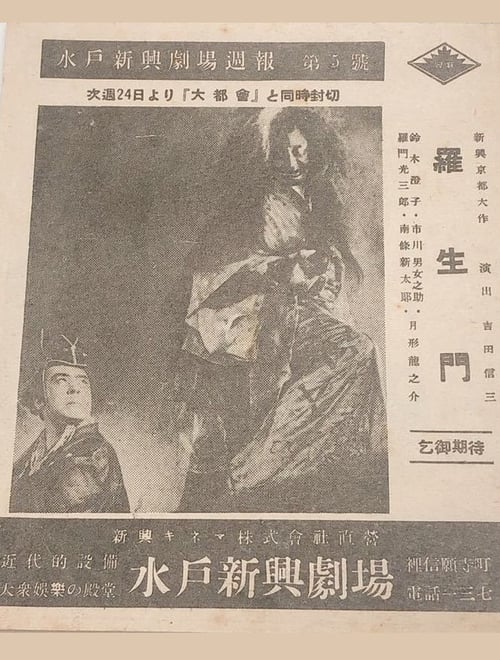
A 1941 Japanese film directed by Shinzo Yoshida.
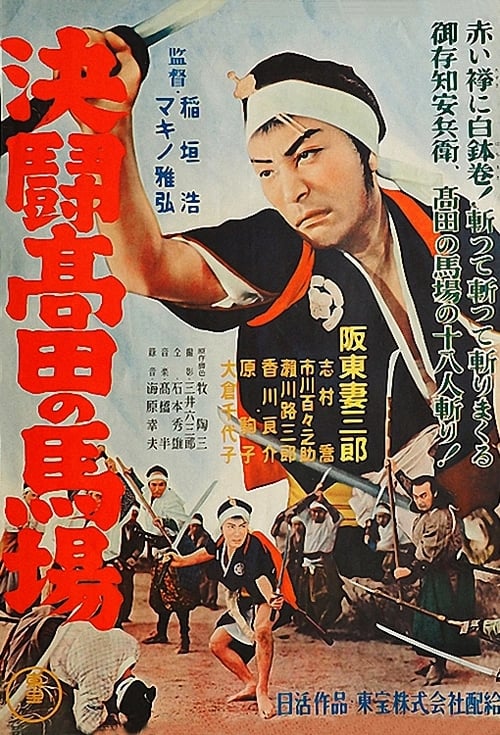
The tale of Nakayama Yasubei’s duel is famous, even if he in reality probably did not cut down 18 opponents. The story has been related in film, rakugo, kodan and on stage many times, in part because Nakayama later joined the famous 47 Ronin (Chushingura) as Horibe Yasubei. But Makino and Inagaki’s version gives no hint of this more serious future, playing up the thrills and the comedy with Bando’s bravura performance. The multiple pans of Yasubei running to the duel are an exemplar of the experimental flourishes of 1930s Japanese cinema and the final duel, performed virtually like a dance number, is a marker of Makino’s love of rhythm and one of the best sword fights in Japanese film history. The film was originally released under the title Chikemuri Takadanoba (Bloody Takadanobaba) with a length of 57 minutes, but suffered some cuts and a title change when it was re-released in 1952.
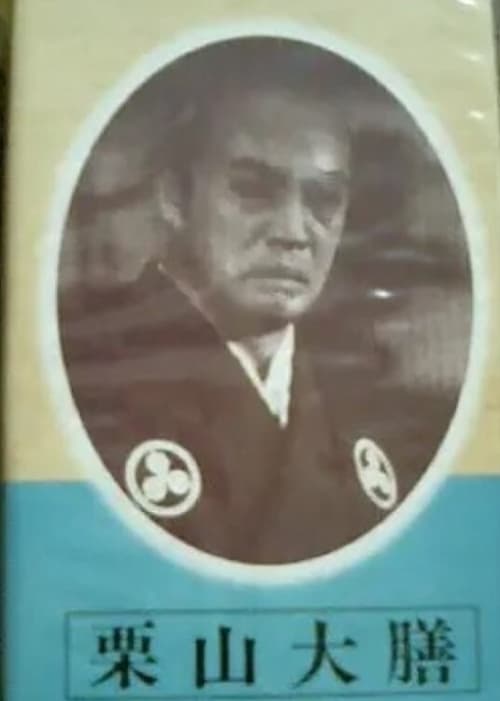
Prewar jidaigeki starring Denjiro Okochi
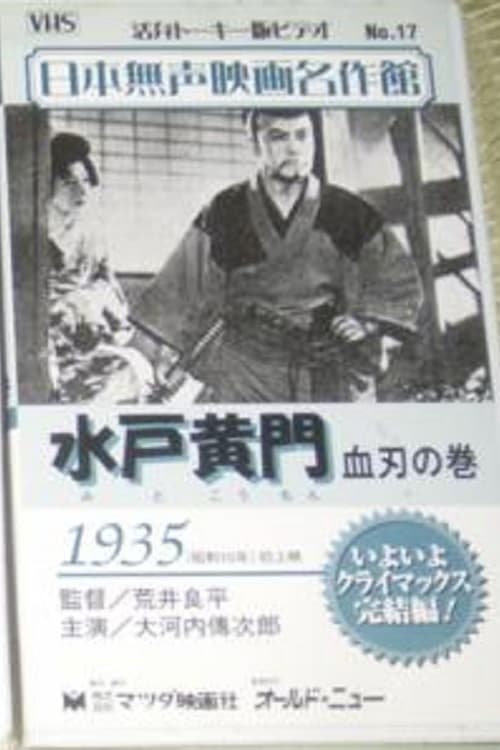
Final installment of the Okochi / Arai / Yamanaka Mito Komon series and just as good as the others (a good deal longer, as well). Again, this film like the other two is similar in tone and spirit to the Yamanaka Tange Sazen film and would appeal to fans of that film.
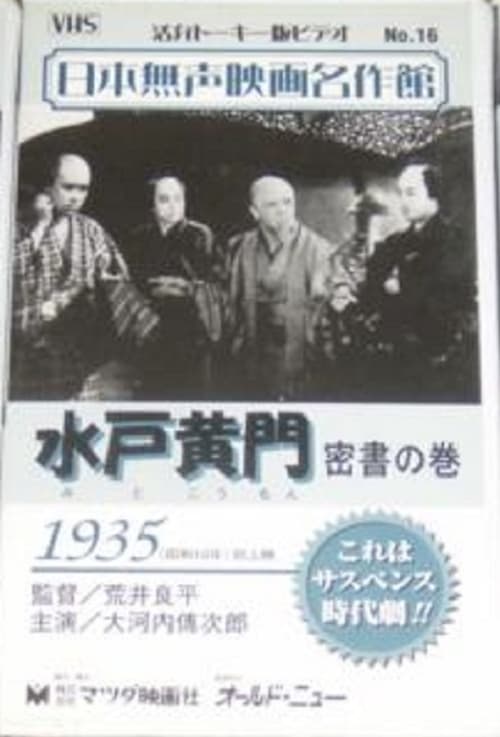
Adaptation of the novel by Osaragi Jirō. Again scripted by the legendary Yamanaka Sadao
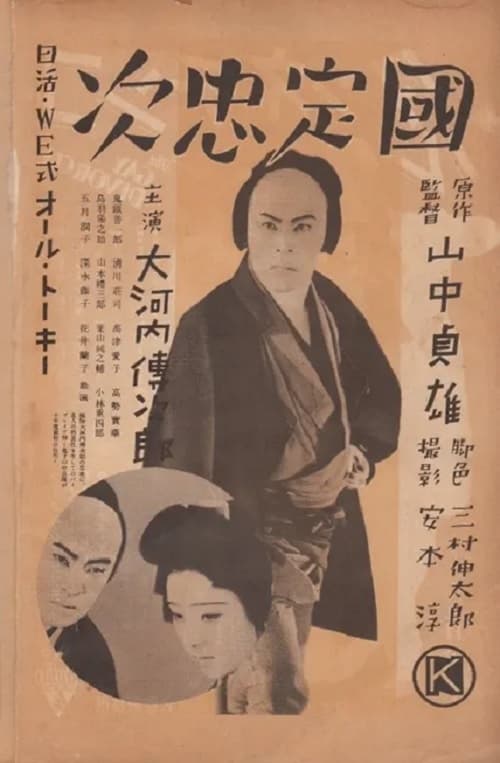
Japanese historical film. Considered Lost.
Martial Arts Encyclopedia
Subscribe for exclusive insights on movies, TV shows, and games! Get top picks, fascinating facts, in-depth analysis, and more delivered straight to your inbox.