Action
Adventure
Animation
Comedy
Crime
Documentary
Drama
Family
Fantasy
History
Horror
Music
Mystery
Romance
Science Fiction
Thriller
War
Western
Explore all movies appearances

No plot available for this movie.

A fairy tale that was not a success with children.
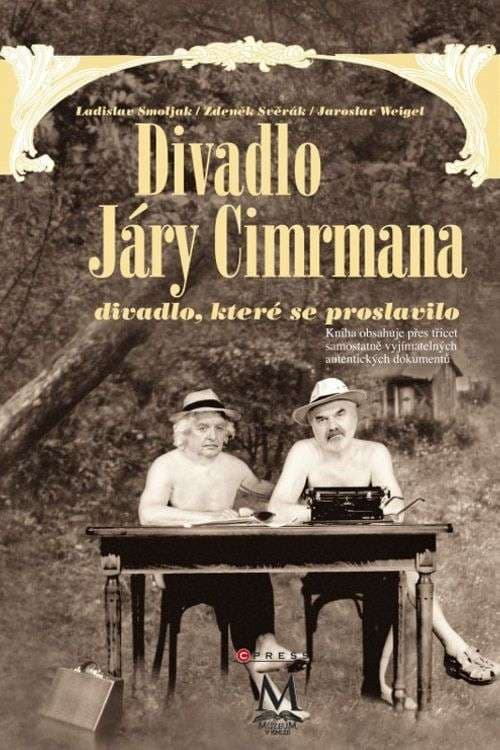
Jára Cimrman in the whirlwind of the past forty years, as discovered, recorded, and brought to life by the theater.
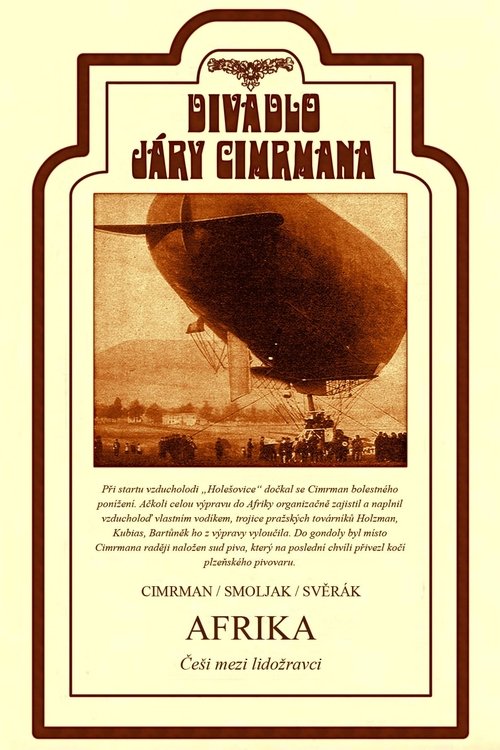
The fourteenth Cimrman play takes us to the heart of a continent almost untouched by civilization. Czech travelers encounter a strange tribe of cannibals and almost end up on their menu. The members of this tribe are unusual in two ways: their appearance and their extraordinary docility. These characteristics enabled Cimrman to solve linguistic and staging problems with an elegance that other world playwrights can only envy. If, say, G. B. Shaw had tackled such a theme, the audience would have spent 5 to 7 hours in the auditorium. Cimrman managed to do it in just one hour (not counting the introductory scientific seminar). For the first time in the history of the Jára Cimrman Theater, a live animal appears on stage.
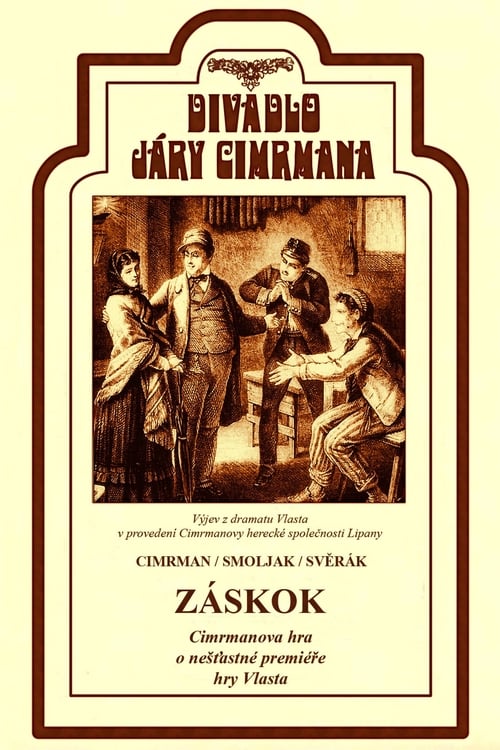
Poverty was one of the many unfortunate aspects of Cimrman's life. His traveling theater company, Lipany, suffered from high actor turnover. If an actor's departure was agreed upon well in advance, the situation could be managed. However, if it happened with shouting and slamming doors, often just a few hours before the performance, the troupe and its director experienced some tense moments. Such experiences form the backdrop to the play. Lovers of the work of this unrecognized Czech artist are now able to access testimony from this area of the master's life, in which his destiny was most fulfilled—the theater.
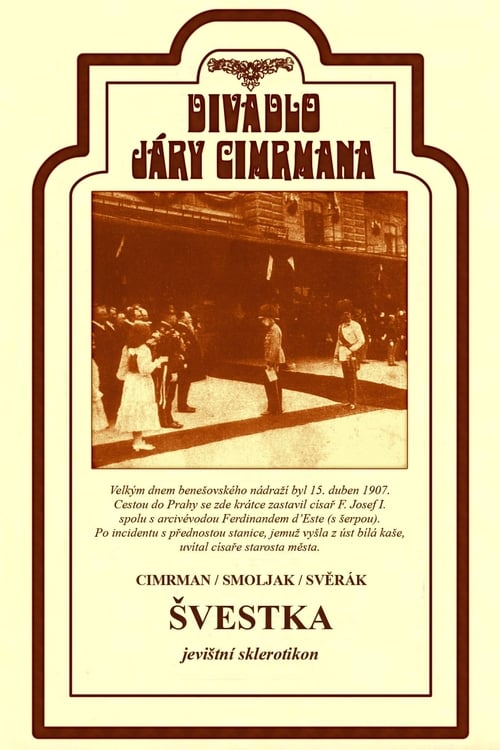
No plot available for this movie.

Cimrman sees the reason for the popularity of the Blanik legend in Bohemia mainly in the geographical location of our homeland. In agreement with Palacký, he was aware that "we are here in Europe like a grain between two millstones. From the west, German imperialism presses upon us, and from the east, the expansionism of the Great Russian colossus crushes us. It is no wonder that a small nation under such pressure seeks supernatural and even miraculous protection, for only a miracle can enable it to survive here."

No plot available for this movie.
Two different productions of Václav Havel's Beggar's Opera reveal the political dynamics of Czechoslovakia before and after the velvet revolution.

After a fictitious marriage with a Russian emigrant, Cellisten Louka, a Czech man, must suddenly take responsibility for her son. However, it’s not long before the communication barrier is broken between the two new family members.
Subscribe for exclusive insights on movies, TV shows, and games! Get top picks, fascinating facts, in-depth analysis, and more delivered straight to your inbox.