
Action
Adventure
Animation
Comedy
Crime
Documentary
Drama
Family
Fantasy
History
Horror
Music
Mystery
Romance
Science Fiction
Thriller
War
Western
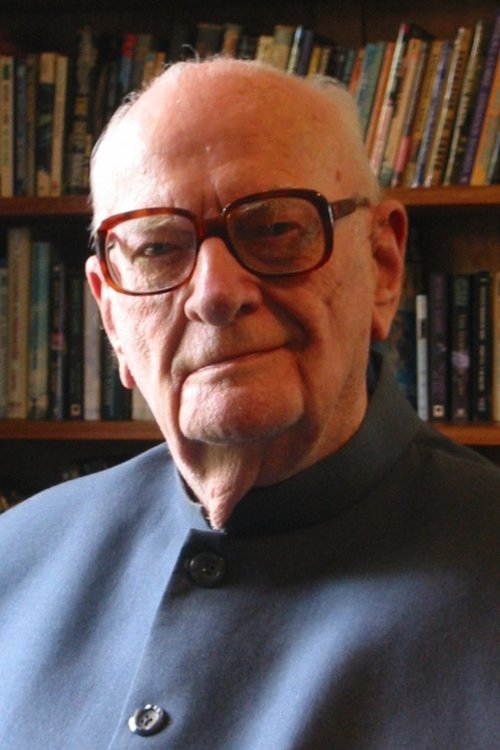
Sir Arthur Charles Clarke CBE FRAS (16 December 1917 – 19 March 2008) was an English science-fiction writer, science writer, futurist, inventor, undersea explorer, and television series host. He co-wrote the screenplay for the 1968 film 2001: A Space Odyssey, one of the most influential films of all time. Clarke was a science fiction writer, an avid populariser of space travel, and a futurist of ...
Explore all movies appearances
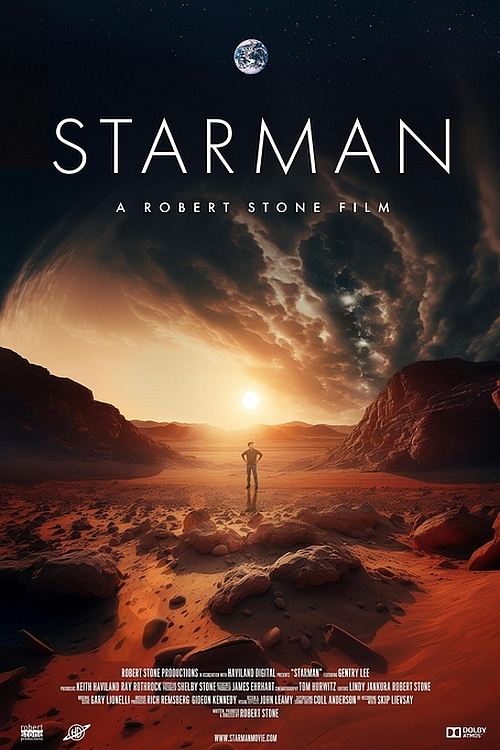
Legendary NASA robotics engineer and best-selling science fiction author, Gentry Lee, has spent a lifetime seeking an answer to the ultimate cosmic question: Are we alone in the universe? At age 82 he has come to a revelatory conclusion.
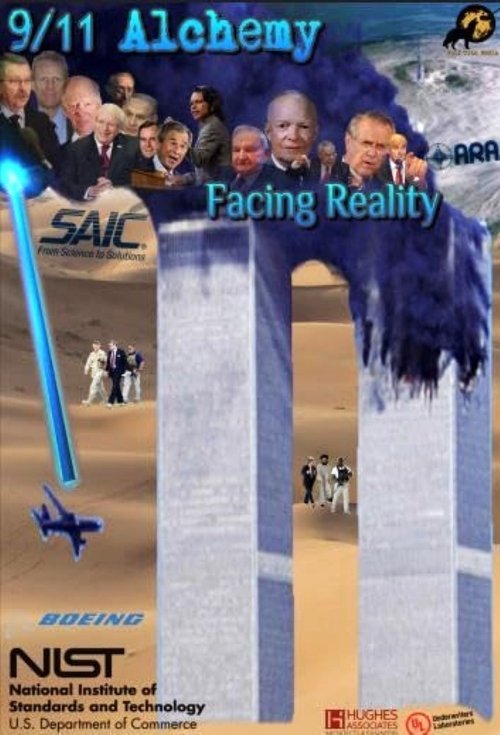
An examination of the evidence surrounding the events of September 11, 2001 that took the lives of thousands of innocent victims, and left our entire planet fundamentally changed. The examination follows the events, evidence, data, and science onward to the use of Directed Energy Weapons and holograms.
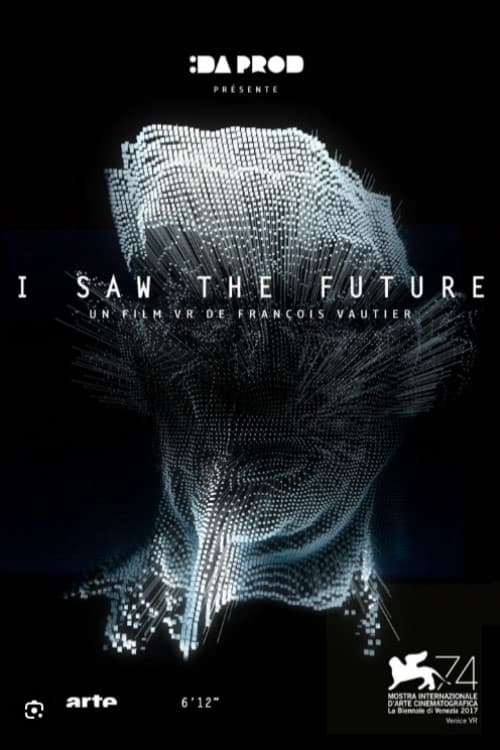
In a dark expanse that could be the cosmos, we hear the voice of Arthur C. Clarke, whose face - taken from a BBC archive dating back to the 1960s - appears in the distance. His features quickly dematerialize into a multitude of shimmering pixels, creating an enveloping and immersive space out of which the thoughts of the famed author of «2001: A Space Odyssey» emerge. At the heart of this spectral environment, and with a magnetic voice sending us back to the time of cathode ray tubes and the golden age of television broadcasting, A C. Clarke tells us about the arrival of digital revolution, decades ahead of his time. This film is an invitation to travel, and a crepuscular form of poetry to be experienced immersively.
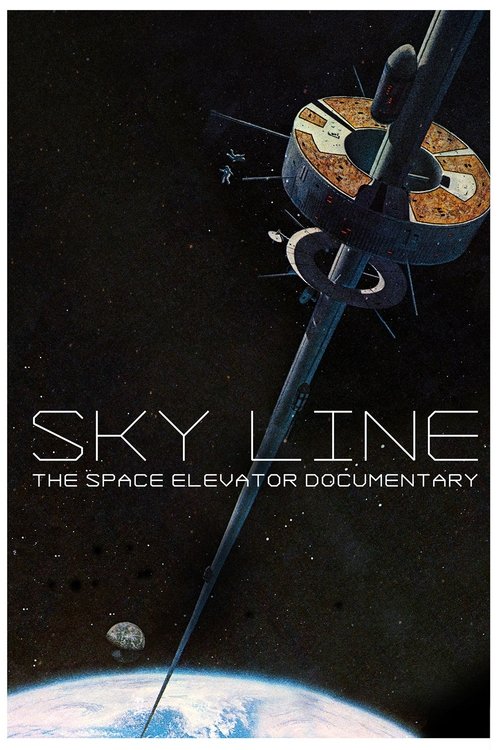
The concept of an elevator to space is not new. In the world of Arthur C. Clarke, it is a natural progression. What most people don't know is that men and women around the world are working hard to build it right this moment. Some want to solve the energy crisis, some want easier access to raw materials in the solar system, and some just want to travel to space and gaze upon their home planet. For all of them though, the elevator is more than just a science fiction plot, it is a way of life. Discover what happens when egos and passions collide in a quest to build the impossible.
Keir Dullea, interspersed with archive clips of Arthur C. Clarke, discusses the probability of extraterrestrial life.

This documentary about "2001: A Space Odyssey" looks at some of the things that seemed fanciful in 1968, which don't seem quite as much anymore.

Top scientists want to build a nuclear bomb-powered spaceship to visit Mars and the planets.

The making of Stanley Kubrick's classic space epic, presented by James Cameron, including unseen footage.

Author Arthur C. Clarke and the cast and crew of Stanley Kubrick's 1968 masterpiece "2001: A Space Odyssey" star in this documentary, released in the film's long-anticipated title year. The origins of the production are traced as we see how the early days of the space race influenced Kubrick and Clarke's vision of a far more optimistic 21st century than we've managed to achieve - at least so far.
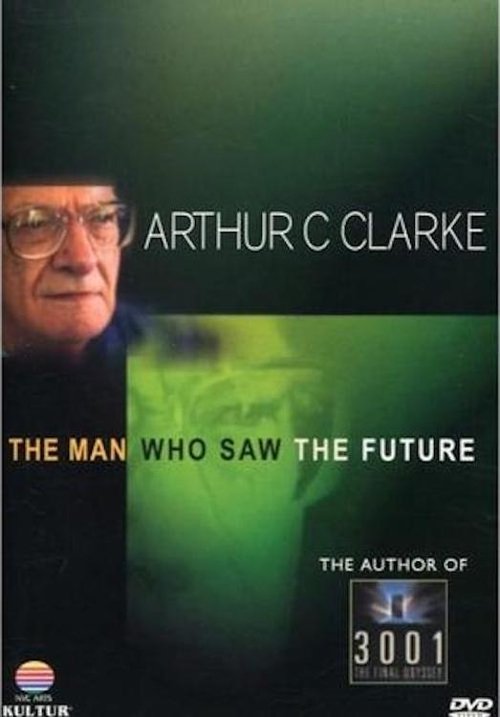
Profile of the author of 2001 looking at his life and his latest novel: 3001.
Subscribe for exclusive insights on movies, TV shows, and games! Get top picks, fascinating facts, in-depth analysis, and more delivered straight to your inbox.