
Action
Adventure
Animation
Comedy
Crime
Documentary
Drama
Family
Fantasy
History
Horror
Music
Mystery
Romance
Science Fiction
Thriller
War
Western
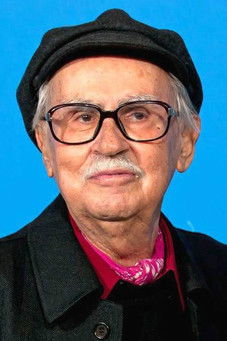
Paolo Taviani (born 8 November 1931) and Vittorio Taviani (20 September 1929 – 15 April 2018), collectively referred to as the Taviani brothers, were Italian film directors and screenwriters who collaborated on film productions. At the Cannes Film Festival, the Taviani brothers won the Palme d'Or and the FIPRESCI prize for Padre Padrone in 1977 and the Grand Prix du Jury for La notte di San Loren...
Explore all movies appearances
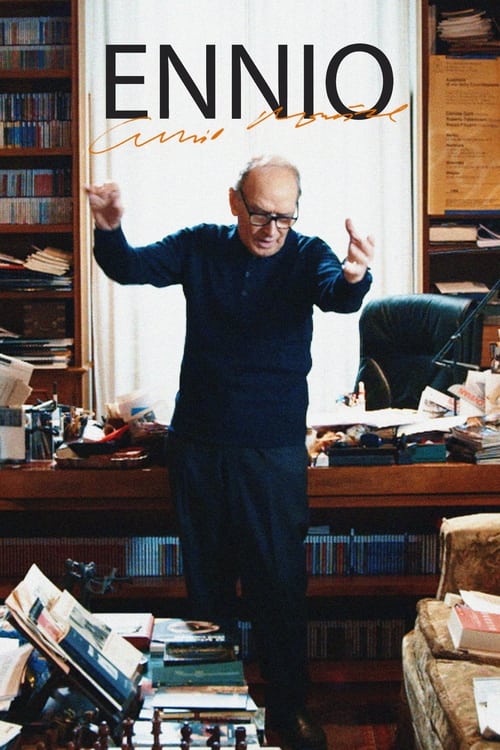
A portrait of Ennio Morricone, the most popular and prolific film composer of the 20th century, the one most loved by the international public, a two-time Oscar winner and the author of over five hundred unforgettable scores.
No plot available for this movie.
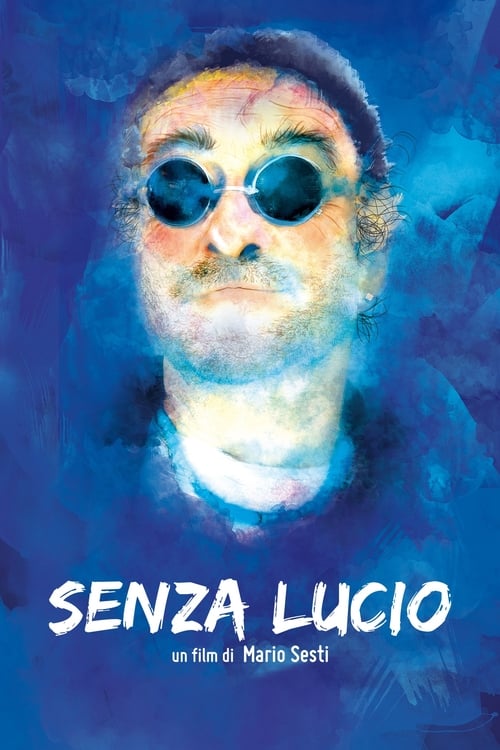
The singer-songwriter Lucio Dalla seen through the eyes of the person closest to him in the last twenty years: Marco Alemanno. The tale of how they met and how he grew on a human, professional, and artistic level standing by Dalla’s side. And much more: daily and deeper aspects of his life, his love for Southern Italy, his passion for cinema, his relationship with music, his bulimic curiosity of launching himself into new artistic adventures, his mercurial energy and his boundless sense of humor.
No plot available for this movie.
No plot available for this movie.
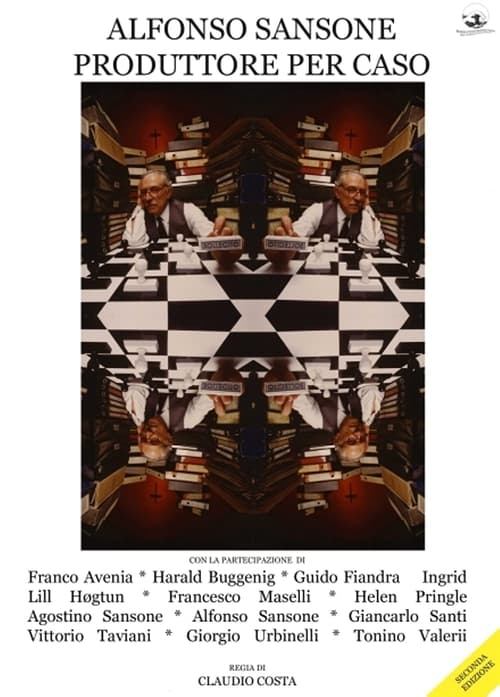
After the war, almost by chance, Alfonso Sansone started to produce documentary films and moved from Palermo to Rome, the city of film.
No plot available for this movie.
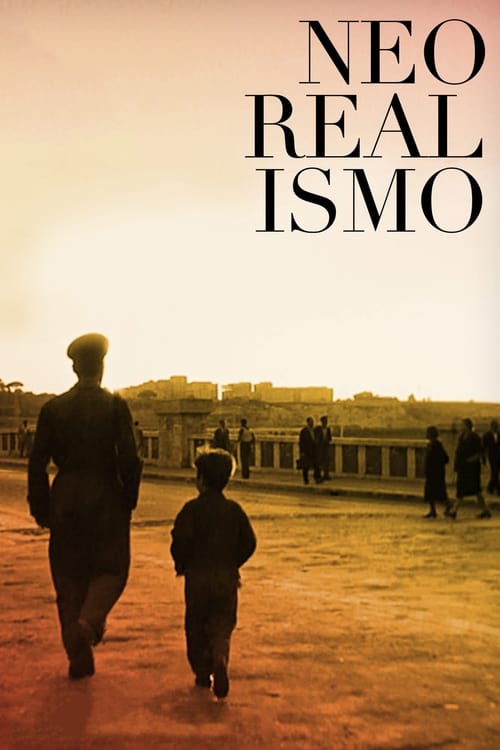
This short film tells the story of the most important cinema trend that Italy has ever produced - Neo Realism. Born after the Second World War, this veritable cultural revolution rapidly became a boundless source of inspiration for movie-makers throughout the entire world. Even today it influences those wanting to produce quality movies characterized and identified as Italian products able to be exported as well. It is precisely one of the masters of this unique current rich in different personalities who introduces the story - Carlo Lizzani - whose 'lesson' reconstructs the birth and development of Neorealism in Italy. It combined innovative movie techniques with a new view based on a 'true' interpretation of reality. Due to its high cultural value, this short film was given the highest reknown of the Presidency of the Republic of Italy.
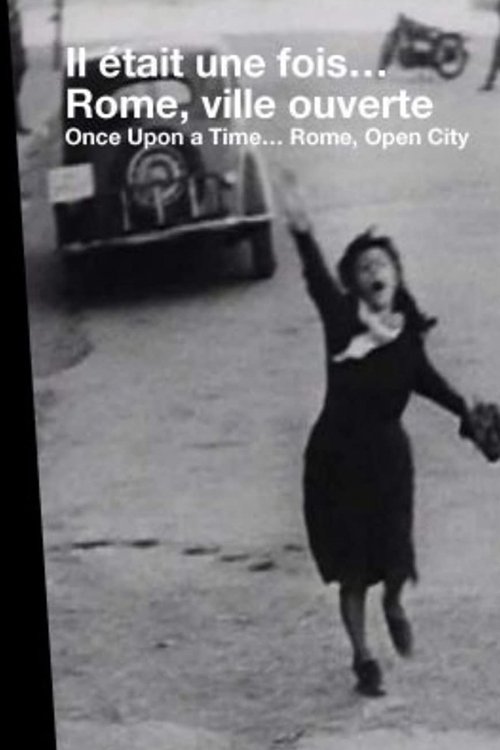
Television documentary about the making of Roberto Rossellini's 1945 film "Rome, Open City".
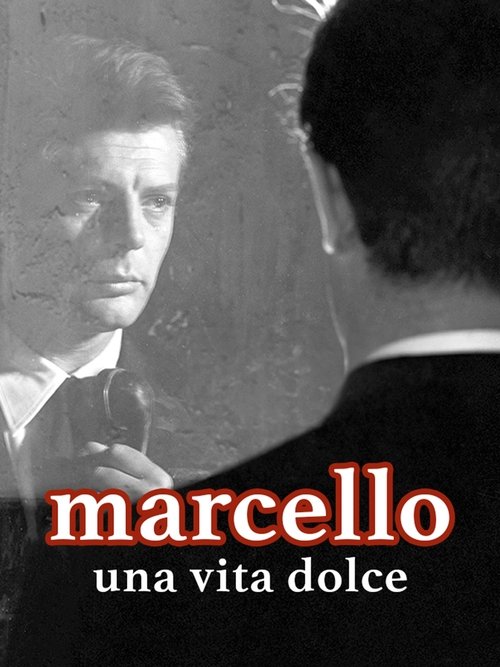
After shooting to fame with Federico Fellini’s “La Dolce Vita” (1960), actor Marcello Mastroianni (1924-1996) starred in more than 160 films in his nearly half-a-century career. Directors Mario Canale and Annarosa Morri look into the melancholic charm of one of the most famous Italian actors through interviews with his two daughters, Barbara and Chiara; directors Fellini and Luchino Visconti; actresses Claudia Cardinale and Anouk Aimee; and in archival footage of Mastroianni himself. The subject matter ranges from Mastroianni’s passion for kidney-bean pasta and his addiction to the telephone to his famous laziness, humility and talent. Shown in black-and-white, Mastroianni — elegantly holding a cigarette in between his fingers — is undeniably the dandy.
Subscribe for exclusive insights on movies, TV shows, and games! Get top picks, fascinating facts, in-depth analysis, and more delivered straight to your inbox.