Action
Adventure
Animation
Comedy
Crime
Documentary
Drama
Family
Fantasy
History
Horror
Music
Mystery
Romance
Science Fiction
Thriller
War
Western
Explore all movies appearances
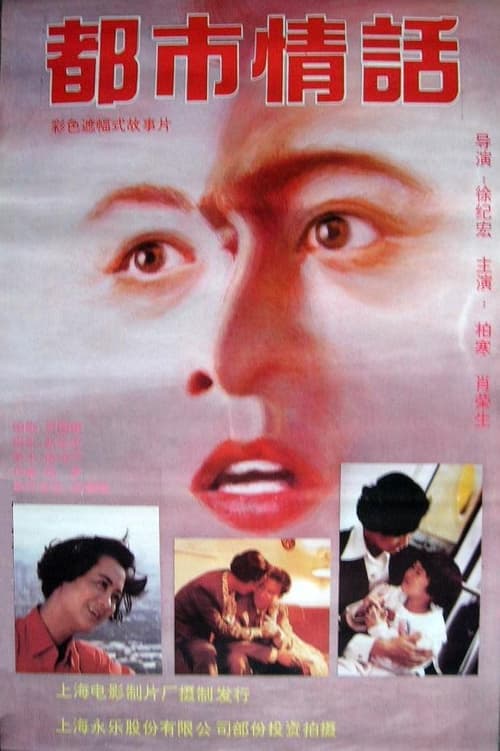
The vigorous director of the Oriental Silk Factory is invited by her former husband to resign and take a position in Japan.
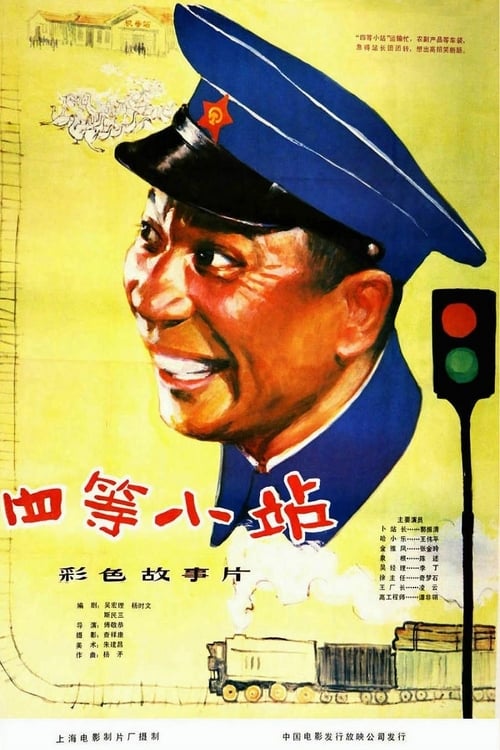
No plot available for this movie.
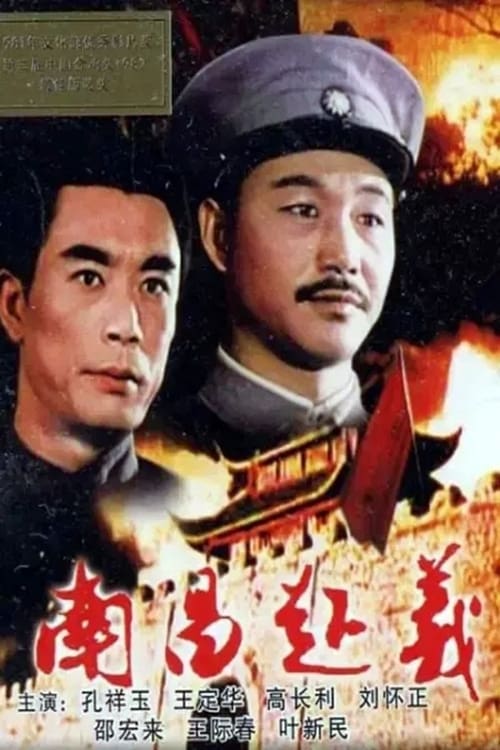
No plot available for this movie.
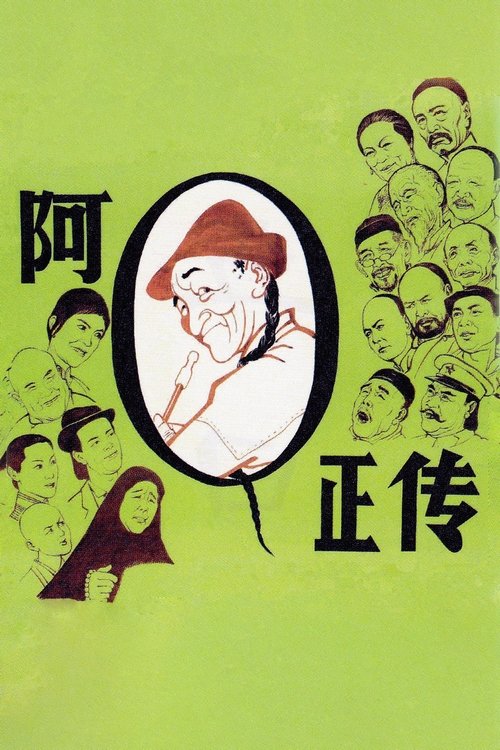
Based on the 1921 novella of the same name by one of China's most well-known modern writers, Lu Xun (Lu Hsun), the True Story of Ah Q is set during the 1911 revolution. Ah Q is a lowly peasant who wants to rise above his class, or at least get out of his grinding poverty. At first he thinks the way to do it is by marrying into a better station in life; later, he joins the revolution as he feels that is the only way he and others like him can transcend poverty. In this film version of Lu Xun's story, the character of Ah Q might benefit from a more rounded humanity to make him appealing to those not familiar with the harsh environment in China before the 1911 revolution.
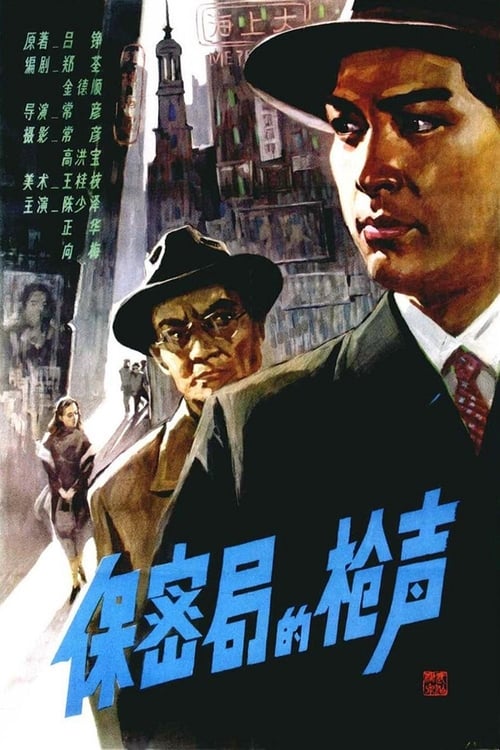
An agent infiltrating the Nationalist Party in wartime Shanghai finds himself under threat.
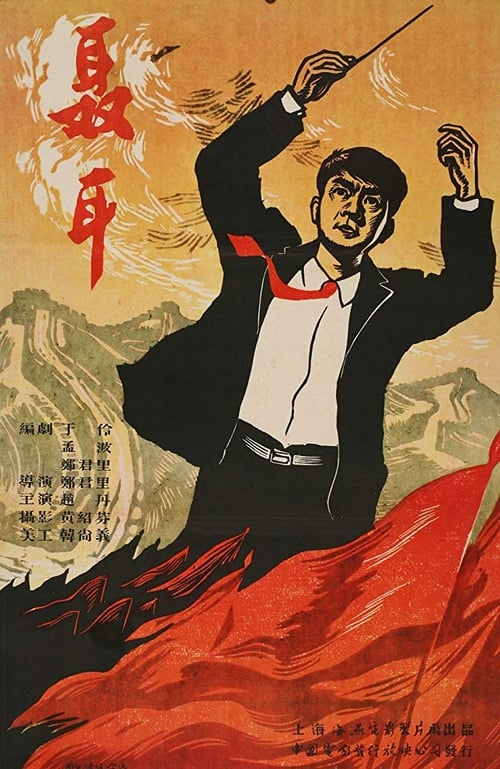
Shot in gorgeous color, this fascinating communist flipside to fifties Hollywood music biopics chronicles the life and tragic early death of Nie Er, the composer of the PRC’s national anthem.
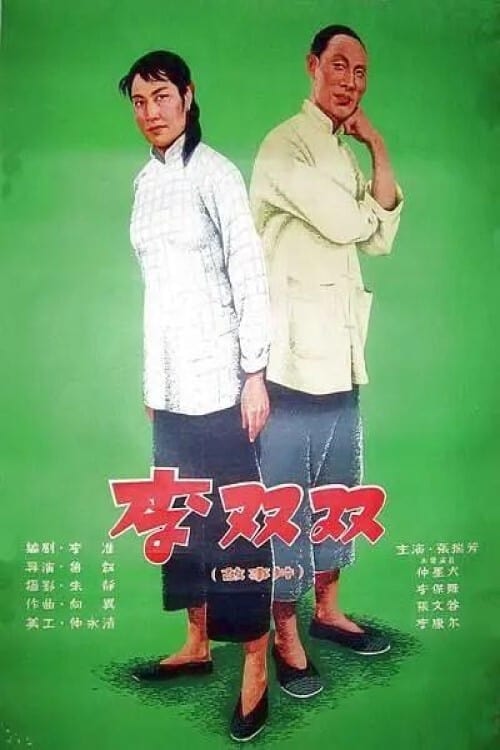
In this delightful comedy, a cheerful farmer's wife (post-Revolution superstar Zhang Ruifang) in a village commune puts her marriage in jeopardy when she takes her cadre spirit a little too far.
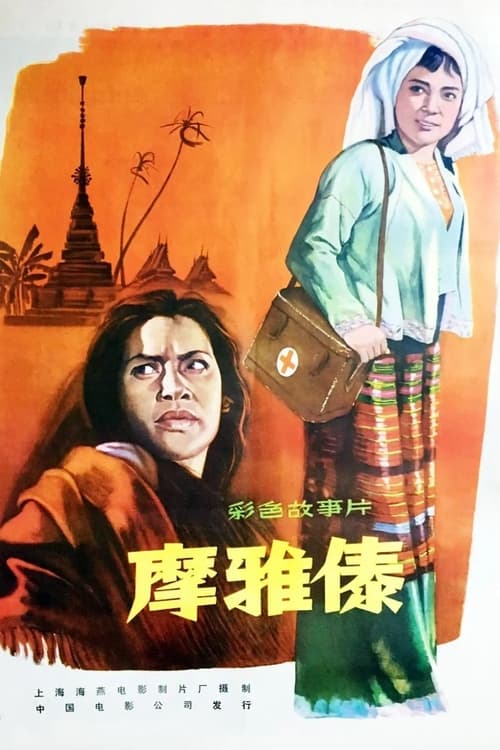
In the center of the story is the story of a young girl from the Dai nation, who, despite gossip and accusations of witchcraft, becomes a successful doctor and finds happiness in her personal life.
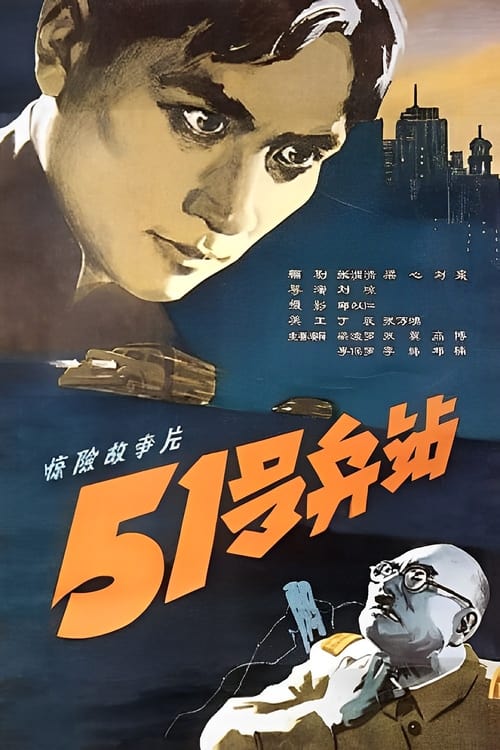
No plot available for this movie.

In the late 1950s, during China’s Great Leap Forward, Shanghai housewives participated, supported by Dai Mama from the neighbourhood committee. Liu Mama opposed her daughter-in-law Wang Caifeng’s involvement, wanting her to stay home, but her son Liu Genfa supported Caifeng. Zheng Baoqing also opposed his wife Cai Guizhen joining the production group, but Cai ignored him, organised her household, and led the sewing group. Dai Mama helped persuade Zheng Baoqing to change his mind. Lu Afeng joined the sewing group out of fear they would borrow her machine but felt ashamed when they made coats for the children’s welfare home.
Subscribe for exclusive insights on movies, TV shows, and games! Get top picks, fascinating facts, in-depth analysis, and more delivered straight to your inbox.