Action
Adventure
Animation
Comedy
Crime
Documentary
Drama
Family
Fantasy
History
Horror
Music
Mystery
Romance
Science Fiction
Thriller
War
Western
Explore all movies appearances
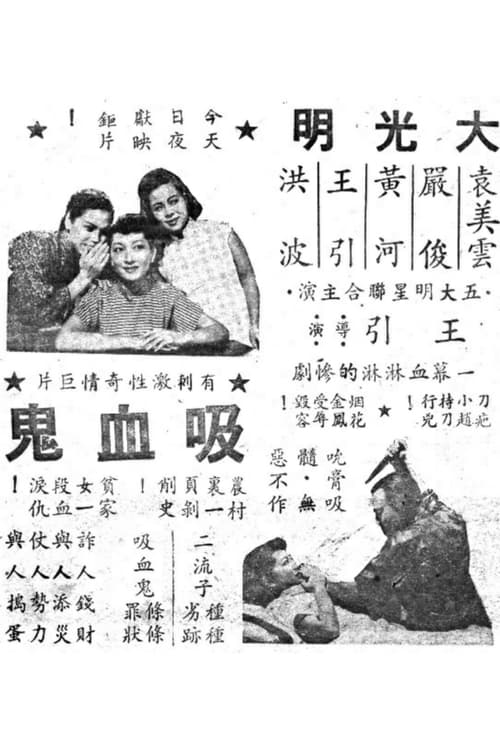
HK horror film.

The film focused on a conflict between Empress Dowager Cixi, her son Guangxi (the nominal emperor) and his wife, Zhenfei.
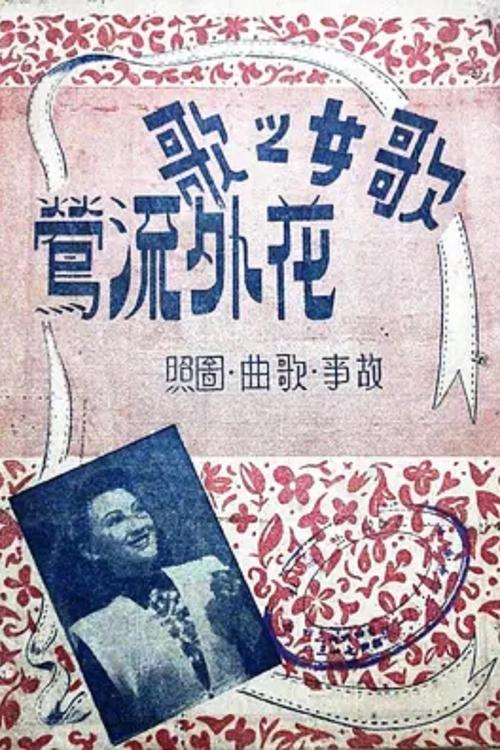
"Among the many filmmakers who immigrated to Hong Kong after WWII was theater tycoon Jiang Boying, who established the company Great China in 1946, inviting fellow migrants to work on the first post-war Mandarin films of Hong Kong. Their hearts still anchored in Shanghai, they made films catered to the mainland market, with production modes of the former glory days. Fan Peilin, a virtuoso in musicals, was invited south to make Orioles Banished from the Flowers, dying in the crash of the returning flight. The only two films Fan made in Hong Kong–the other one Song of the Songstress–are thus his last. Both star the singing-acting superstar Zhou Xuan. In this MusCom–musical comedy–Zhou plays not the hapless songstress but a vivacious, willful youngster, rollicking between a young man and his girlfriend, resulting in a series of embarrassing but amusing situations. A remarkable sample of transplanted Shanghai-style entertainment."-- Hong Kong Film Archive
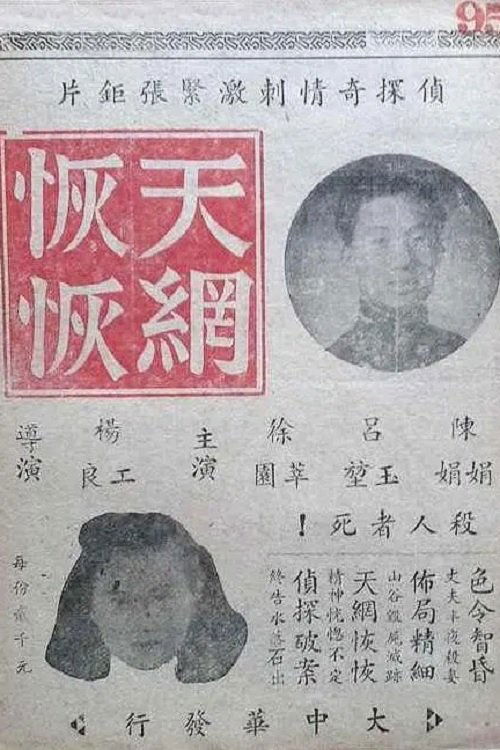
A Charlie Chan mystery, from Hong Kong.
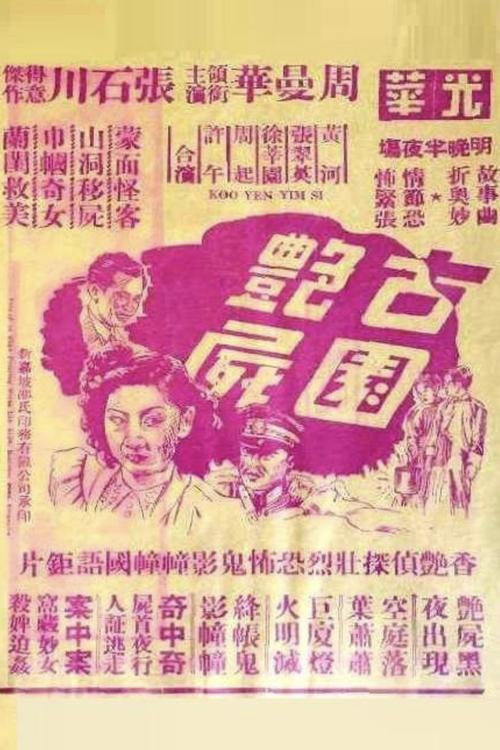
Hong Kong horror movie from 1947.
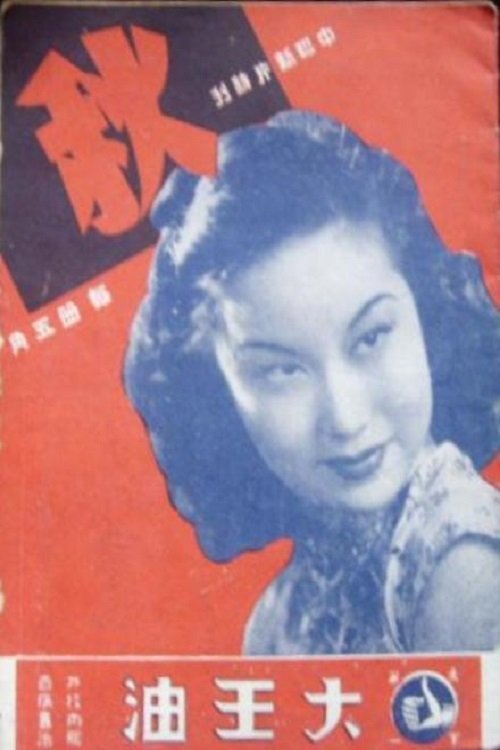
No plot available for this movie.
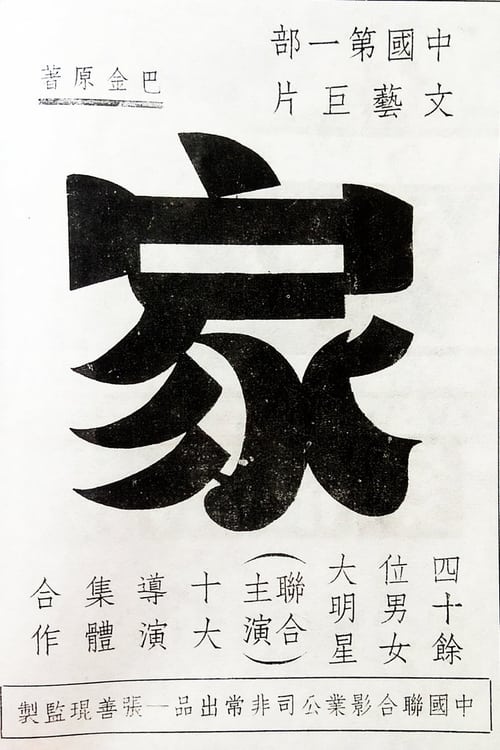
No plot available for this movie.
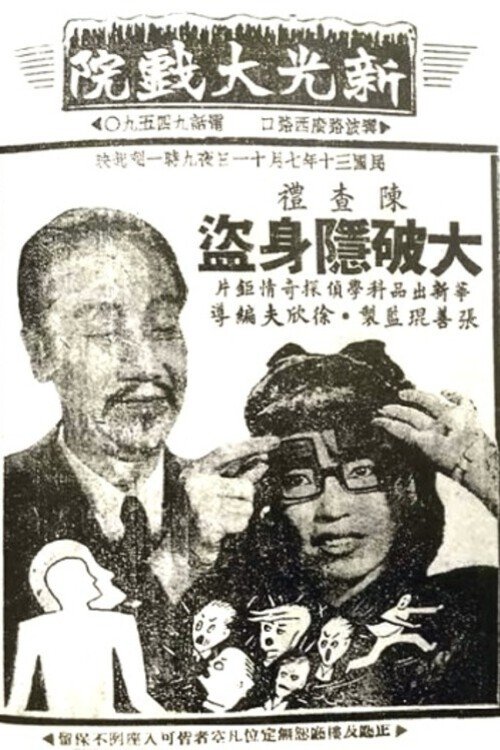
The film tells the story of detective Charlie Chan helping to solve a strange case involving the use of invisibility. It combines science fiction elements with gunfights and fight scenes, and enhances the urban feel through radio-based crime-solving techniques and modern characters.
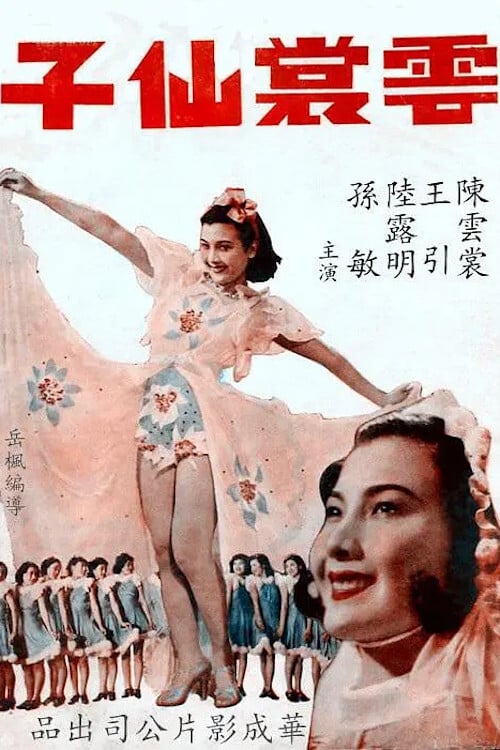
This is one of the rare gems in early Chinese musical films that still exists today. Nancy Chan plays a naïve young woman who can sing and dance. Under the arrangement of her stepfather, she becomes a star and indulges in the glitz and glamour of the entertainment world before getting married to a wealthy heir in Nanyang. Yet her husband is cruel and unfaithful, leading her to divorce and return to her parents in Shanghai. She is set for a comeback to the stage. Her young daughter suffers from a serious illness. A remake of the Bu Wanchang’s silent film The Light of Maternal Instinct (1933), this film takes cues from Hollywood musicals, resulting in an elegant and lively fusion of camera movement and musical numbers. The film also reflects the harsh reality of China in the 1930s and the pathos of popular literature by combining morals, entertainment and social commentary to show that changes in the idea of femininity is a symbol of progress.
Chinese horror movie from 1937.
Subscribe for exclusive insights on movies, TV shows, and games! Get top picks, fascinating facts, in-depth analysis, and more delivered straight to your inbox.