
Action
Adventure
Animation
Comedy
Crime
Documentary
Drama
Family
Fantasy
History
Horror
Music
Mystery
Romance
Science Fiction
Thriller
War
Western
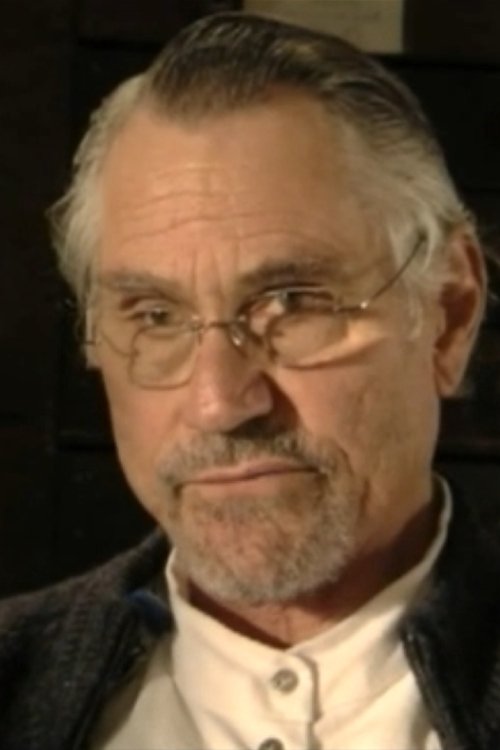
Known principally as a maverick spirit in the world of avant-garde American cinema, Lawrence Jordan played an important role in the late 1950s and early 1960s San Francisco art scene. Jordan has made over seventy experimental films, including a number of fanciful, filmic animations made from collaged cut outs of Victorian engravings. The animations extend dreamlike imagery of collaged landscape in...
Explore all movies appearances
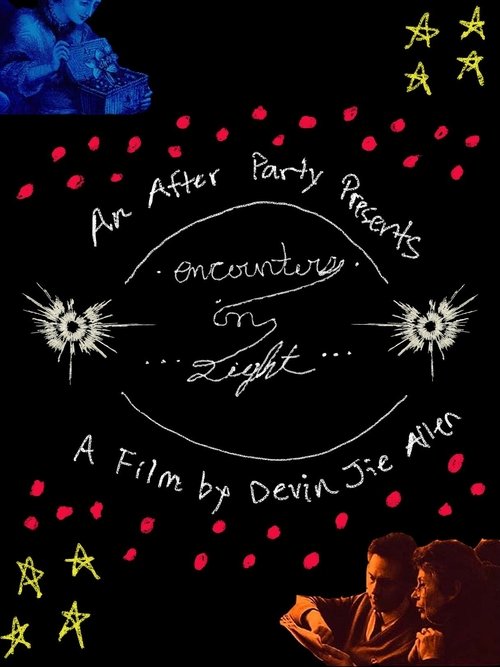
Encounters in Light is the poetic documentation of two artists, friends, and lovers. The film eschews any biographical structure and instead looks at the ways these two artists are bound by time and light. Lawrence Jordan and Joanna McClure have extensive bodies of work between them. The film interweaves Joanna’s poetry, Lawrence’s films, personal interviews, and emotive imagery to produce a sensory engagement with a long lasting friendship and artistic practice. An understanding of mortality is ever present and the film let’s that feeling permeate throughout. How does one relate to years of love, friendship, and art? How does it resonate in the present moment? In the film, there is a sense of boundlessness and understanding that indeed, time dissolves all boundaries until there is only the possibility of light.
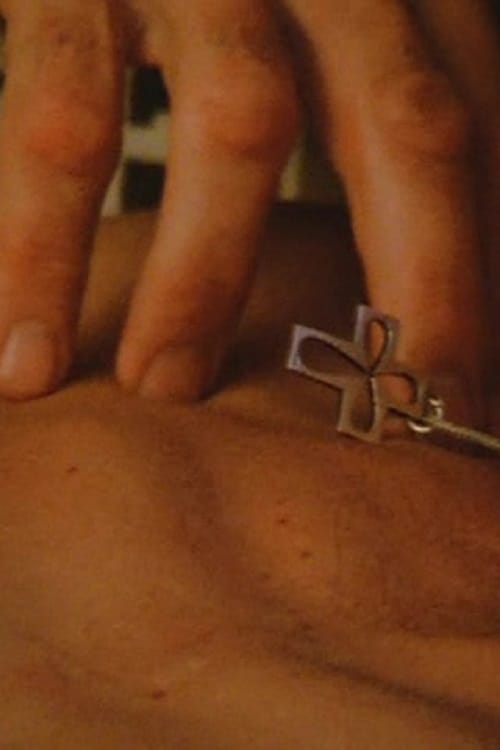
TAPESTRY, part of Lawrence Jordan's "Odyssey" triptych and filmed much later in Jordan's life, is a charged record of his bachelor life after marriage and child-rearing.

Lawrence Jordan's portrait of the reclusive artist Joseph Cornell.
Wedding gift from Maya Deren to Geoffrey Holder; Stan Brakhage and Larry Jordan made film of wedding at Maya Deren’s invitation, told to be “as free as possible”
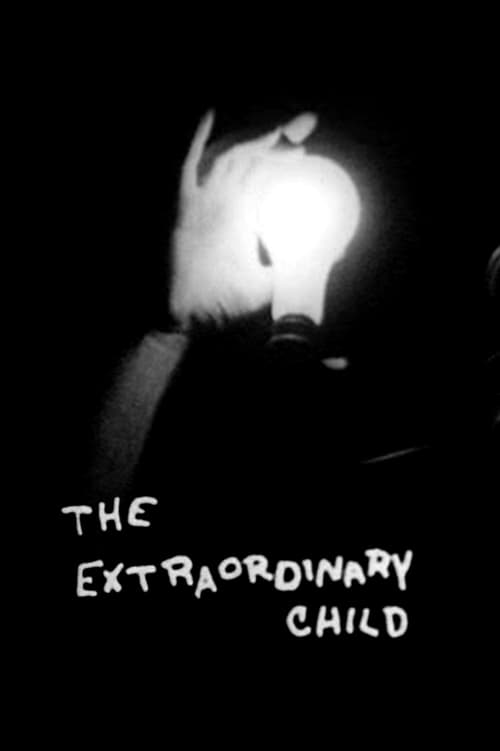
The Extraordinary Child applies his developing style to broad slapstick. His friends from the previous films and the director himself play out a riotous farce about an overgrown baby who steals his father’s cigars. Everyone mugs hilariously. The movie could be taken as another example of the Romantic notion of the artist as a monstrous child or misfit, or a parody of the same rather than the personal confessional statement seen so often in these film movements.

Four young men and a young woman sit in boredom. She smokes while one strums a lute, one looks at a magazine, and two fiddle with string. The door opens and in comes a young man, cigarette between his lips, a swagger on his face. The young woman laughs. As the four young men continue disconnected activities, the other two become a couple. When the four realize something has changed, first they stare at the couple who have kissed and now are dancing slowly. The four run from the house in a kind of frenzy and return to stare. The power of sex has unnerved them.
An anatomy of violence. Four young men and two young women are on a drive. There's a rivalry between two guys for one of the girls. On a remote road, the car stalls. The driver hitchhikes for help. Led by the intrepid girl, the others walk toward abandoned buildings, perhaps a mining operation. One of the three guys sits and reads. The intrepid one explores the building and sees something that scares her. She screams; the two rivals and the second girl run to find her. Something she says starts a fight between her two suitors. The one reading a book walks away in disgust. After stopping the fight, the two young women follow. How can this end? Preserved by the Academy Film Archive in 2005.
Subscribe for exclusive insights on movies, TV shows, and games! Get top picks, fascinating facts, in-depth analysis, and more delivered straight to your inbox.