Action
Adventure
Animation
Comedy
Crime
Documentary
Drama
Family
Fantasy
History
Horror
Music
Mystery
Romance
Science Fiction
Thriller
War
Western
Explore all movies appearances
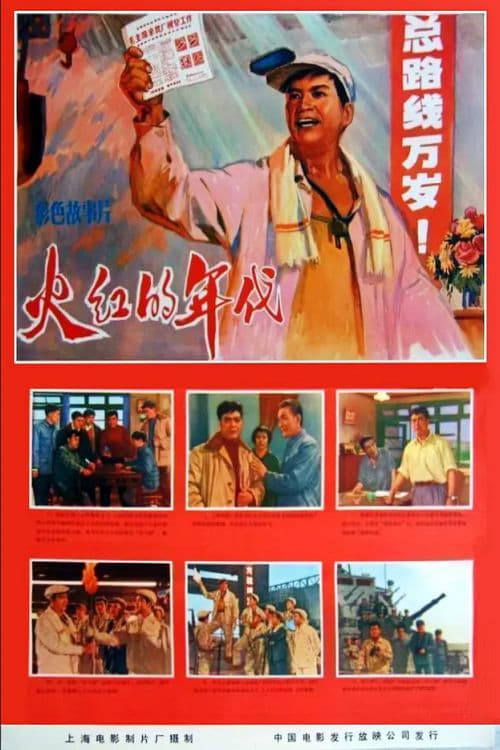
A steel plant staff is in conflict over whether to use domestic materials or continue importing from the Soviet Union after the Soviet Union adopts an anti-Chinese position in 1972.

In the late 1950s, during China’s Great Leap Forward, Shanghai housewives participated, supported by Dai Mama from the neighbourhood committee. Liu Mama opposed her daughter-in-law Wang Caifeng’s involvement, wanting her to stay home, but her son Liu Genfa supported Caifeng. Zheng Baoqing also opposed his wife Cai Guizhen joining the production group, but Cai ignored him, organised her household, and led the sewing group. Dai Mama helped persuade Zheng Baoqing to change his mind. Lu Afeng joined the sewing group out of fear they would borrow her machine but felt ashamed when they made coats for the children’s welfare home.
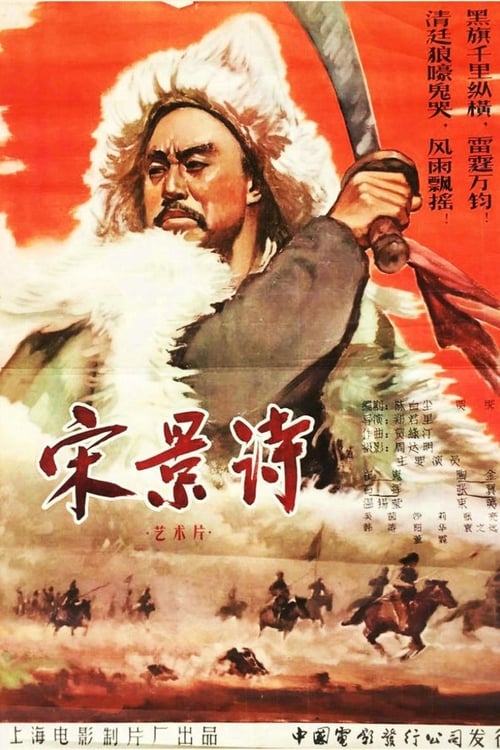
In the mid-19th century, at the height of the Opium War, the Chinese people rose up against the feudal system and the Manchu dynasty, which had capitulated to foreign invaders. ... With their heads bowed, peasants in chains trudge along, those who refused to give money to crush their rebellious brothers. Suddenly, their path is blocked. It is Song Jing-shi who has come to their rescue with his detachment. The freed peasants joined Song Jing-shi. This is how the core of the Black Flag Army was formed. The first historical film made in socialist China in the 1950s. The script is based on authentic material collected in villages in Shandong Province. Legends about the cruelty of Sen Gelinzin and the bravery of Sun Jing-shi, who is called the "Chinese Spartacus," still live on among the people.
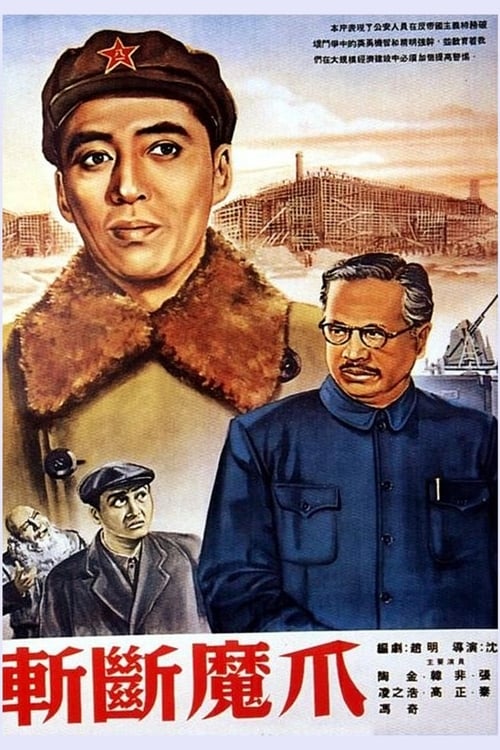
No plot available for this movie.
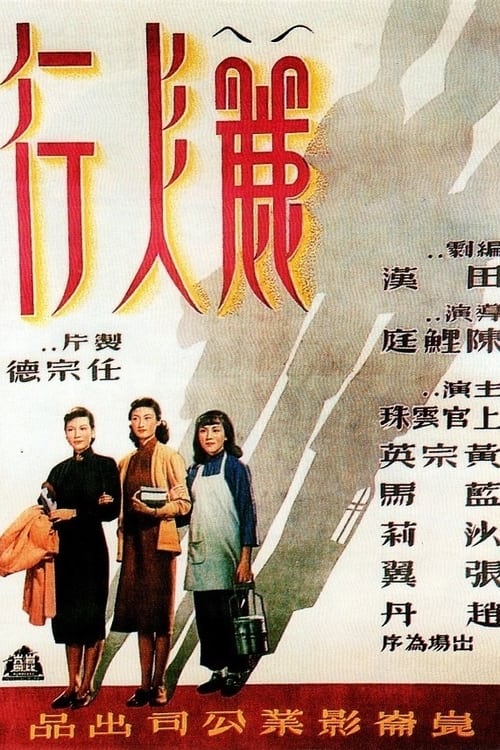
No plot available for this movie.
Subscribe for exclusive insights on movies, TV shows, and games! Get top picks, fascinating facts, in-depth analysis, and more delivered straight to your inbox.