Action
Adventure
Animation
Comedy
Crime
Documentary
Drama
Family
Fantasy
History
Horror
Music
Mystery
Romance
Science Fiction
Thriller
War
Western
Explore all movies appearances
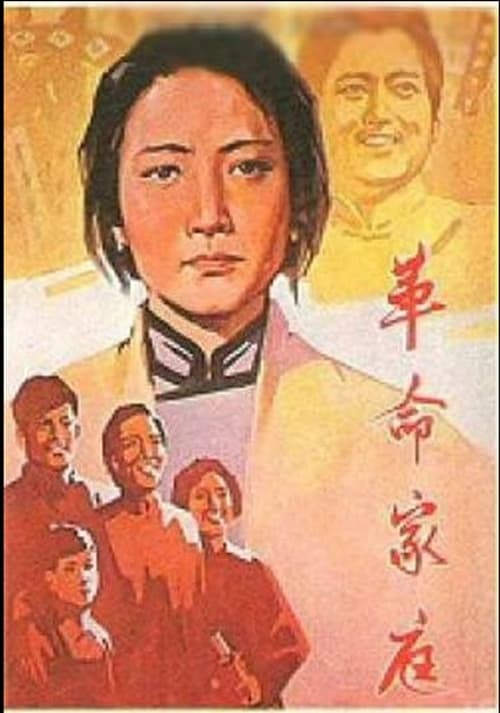
At the age of 16 Zhou Lian, who lost her parents at the age of two and was raised by a stepmother, marries Jiang Mei, a progressive young man from Changsha No. 1 Normal School. Jiang Meiqing has also lost both of his parents. The couple has two sons, Liqun, Xiaoqing and daughter Xiaolian. The film follows the family through turbulent times from 1924 to 1930.
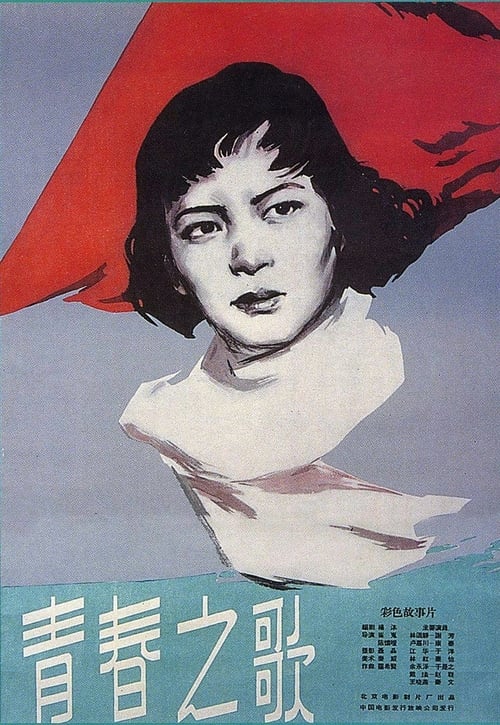
Adapted from a novel of the same title, this film depicts a young woman’s transformation from housewife to loyal Communist. This process is presented as “natural” – possessed of inherent logic rather than merely “incidental”. Hence, the film is really about Communist revolution that won over the hearts and minds of Chinese youth.
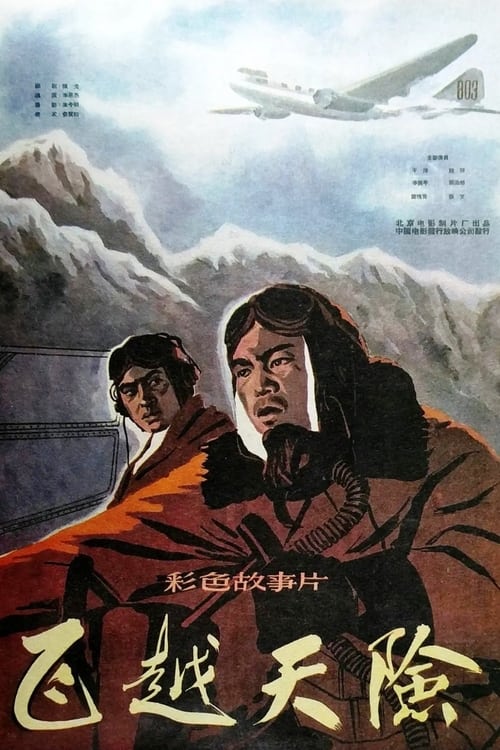
No plot available for this movie.

Financial and political pressures bankrupt a Chinese store owner.

The life and work of Chinese bacteriologists. The film is based on the theme of profound psychological changes in a person's character, who, under the influence of many factors of life and situations, has to change his view of the world and science. One of the characters, Professor Huang, is shown in the process of development and formation. His character is vivid and memorable. If at the beginning of the film the young scientists seemed insufficiently serious to Huang, and he regarded all their aspirations to enter science as a sign of their lack of understanding of the complexity of science and their responsibility, by the end of the film Huang already sees in the young graduate students courage, daring, and a desire to achieve an active intrusion of science into life. The theme of friendship and mutual respect among scientists united by a common goal—serving the people—plays an important emotional role in the film.
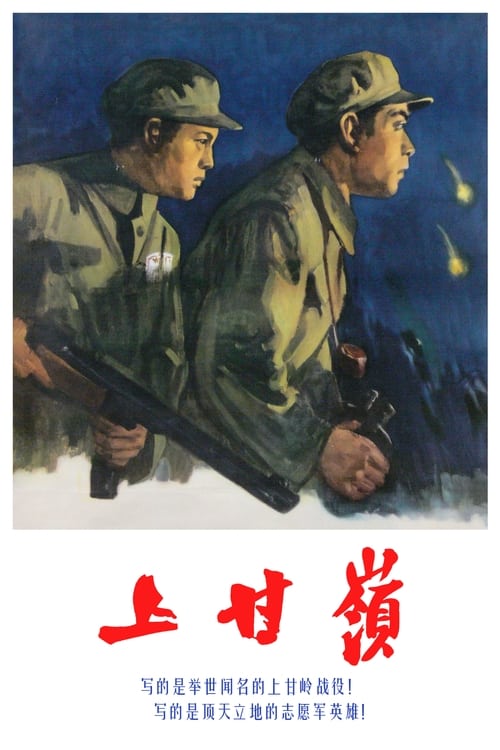
The film follows a group of Chinese People's Volunteer Army soldiers who are holding Triangle Hill for several days against US forces. Short of both food and water, they hold their ground until the relief troops arrive. The movie portray the battle as a Chinese victory over an American invasion, and the People's Volunteer Army soldiers were shown as Chinese war heroes."
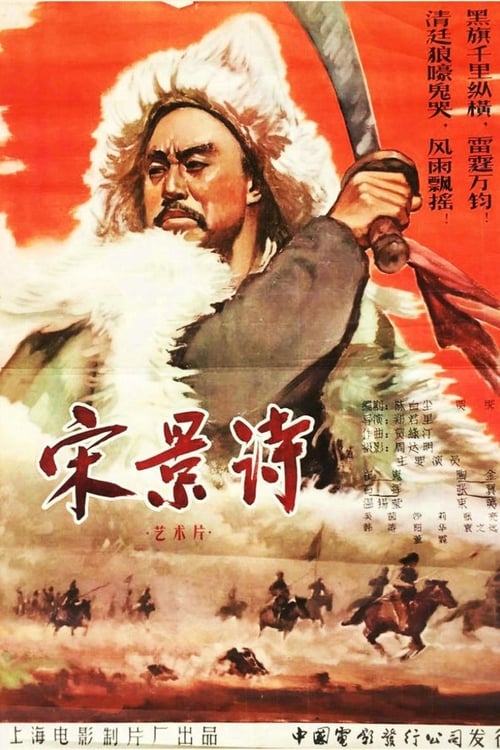
In the mid-19th century, at the height of the Opium War, the Chinese people rose up against the feudal system and the Manchu dynasty, which had capitulated to foreign invaders. ... With their heads bowed, peasants in chains trudge along, those who refused to give money to crush their rebellious brothers. Suddenly, their path is blocked. It is Song Jing-shi who has come to their rescue with his detachment. The freed peasants joined Song Jing-shi. This is how the core of the Black Flag Army was formed. The first historical film made in socialist China in the 1950s. The script is based on authentic material collected in villages in Shandong Province. Legends about the cruelty of Sen Gelinzin and the bravery of Sun Jing-shi, who is called the "Chinese Spartacus," still live on among the people.
Subscribe for exclusive insights on movies, TV shows, and games! Get top picks, fascinating facts, in-depth analysis, and more delivered straight to your inbox.