
Action
Adventure
Animation
Comedy
Crime
Documentary
Drama
Family
Fantasy
History
Horror
Music
Mystery
Romance
Science Fiction
Thriller
War
Western
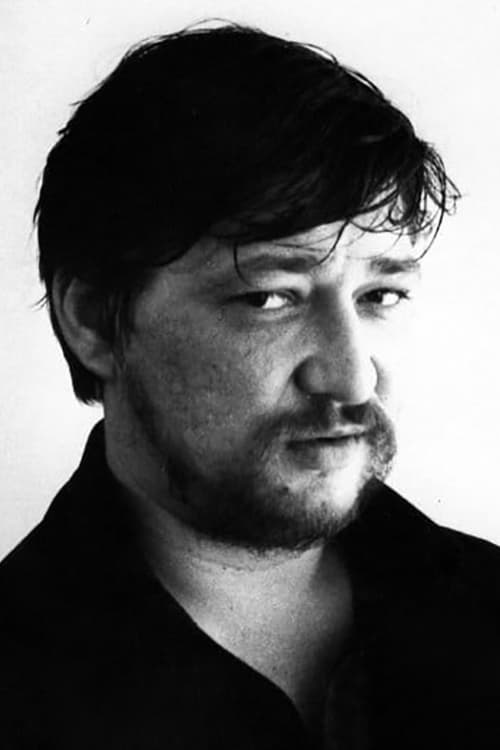
Rainer Werner Fassbinder was a German film director, screenwriter, and actor. He is one of the most important figures in the New German Cinema. Fassbinder was prolific; in a professional career that lasted less than fifteen years, he completed forty feature length films, two television film series, three short films, four video productions, twenty-four stage plays, and four radio plays. He had t...
Explore all movies appearances
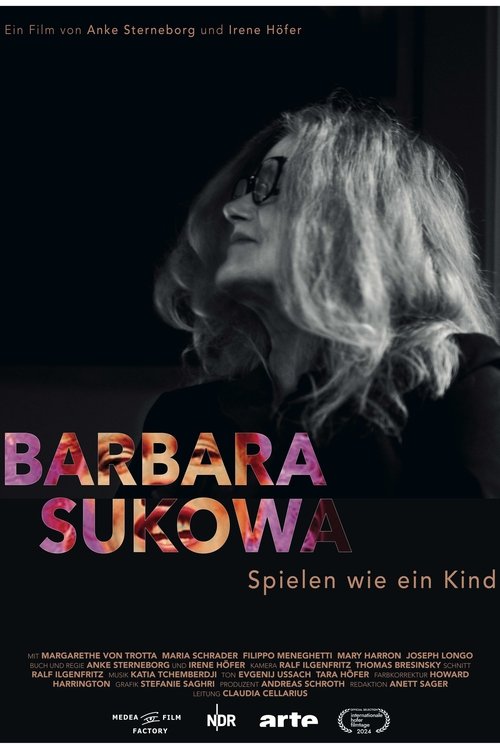
“Acting is something anyone can do,” says Barbara Sukowa. “It’s completely intuitive and instinctual, much like a child dressing up.” Those who have worked with her say that what she does is true artistry. Barbara Sukowa, a star of Fassbinder’s films, an icon, and a role model. Who says there are hardly any interesting roles for women beyond forty? New challenges continually come her way. A few years past normal retirement age, she is launching into a remarkable new chapter. The film chronicles the path of an internationally successful actress to this day.
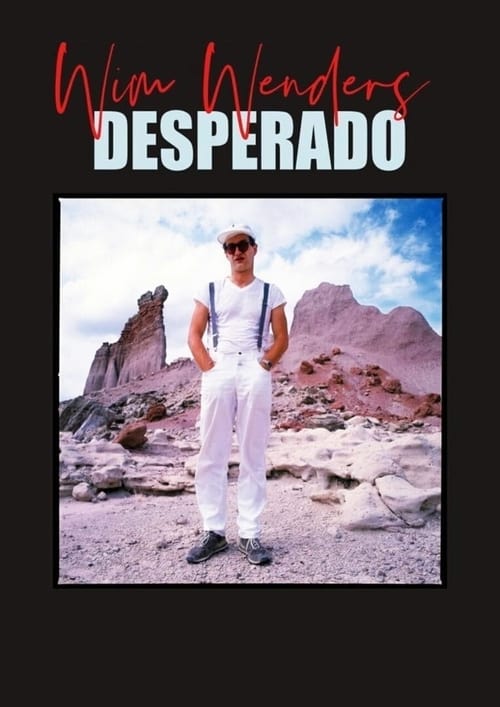
"Wings Of Desire" and "Buena Vista Social Club", "Paris, Texas" and "The State Of Things": Wim Wenders is considered one of the pioneers of New German Cinema and one of the most important and influential representatives of contemporary cinema. With never-before-shown archive material and extraordinary encounters with companions and contemporary witnesses such as Francis Ford Coppola, Willem Dafoe, Andie MacDowell, Hanns Zischler, Patti Smith, and Werner Herzog, this documentary provides unique insights into the life and work of one of the most multifaceted artists of our times. Renowned documentary filmmaker Eric Friedler ("It Must Schwing. The Blue Note Story") and his co-director Andreas Frege were given the exclusive opportunity to portray Wenders for this film. From Düsseldorf to Paris, and all the way to the desert of Texas, the film traces iconic locations and decisive moments in Wenders' work as director, producer, photographer, and author.
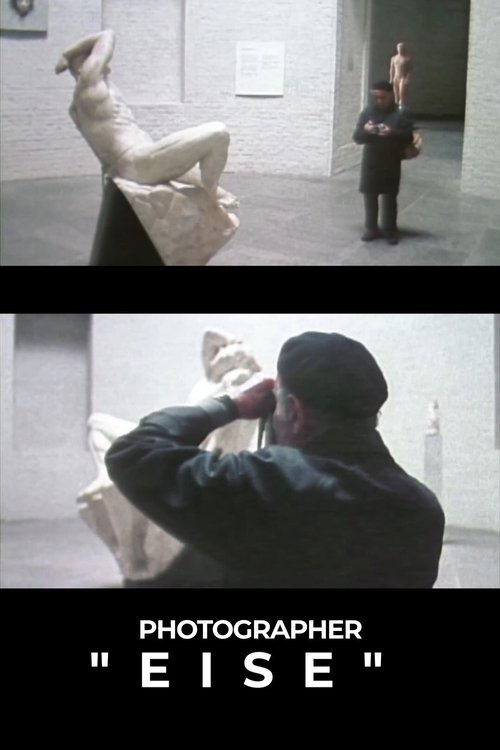
A portion of the Emmy award-winning documentary on the great Life Magazine photojournalist, Alfred Eisenstaedt (Eise). He photographed for over 50 years and was doing well in prewar Germany until he had to leave. This is him returning to Germany in 1982 to experience the country again and see how he felt about the new Germany. In making this film, viewers get a sense of the uniqueness of his character.
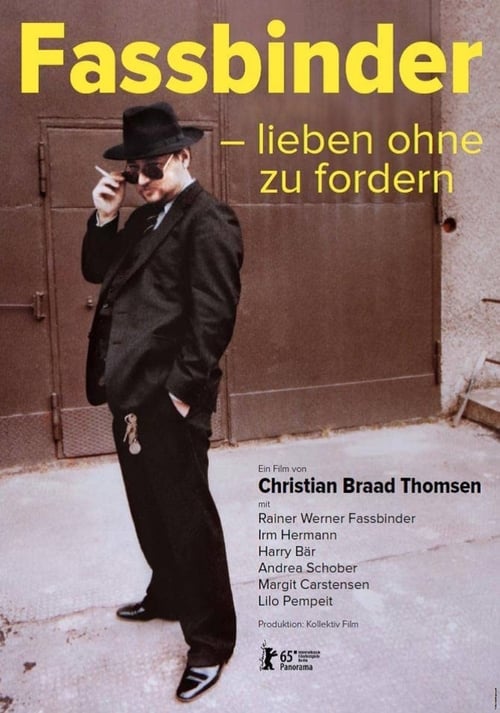
Rainer Werner Fassbinder was probably Germany’s most significant post-war director. His swift and dramatic demise at the early age of 37 in 1982 left behind a vacuum in European filmmaking that has yet to be filled, as well as a body of unique, multi-layered, and multifarious work of astonishing consistency and rigour. From 1969 onwards, Danish director and film historian Christian Braad Thomsen maintained a close yet respectfully distanced friendship with Fassbinder. The film is based on his personal memories as well as a series of conversations and interviews he held with Fassbinder and his mother, Lilo, in the 1970s.
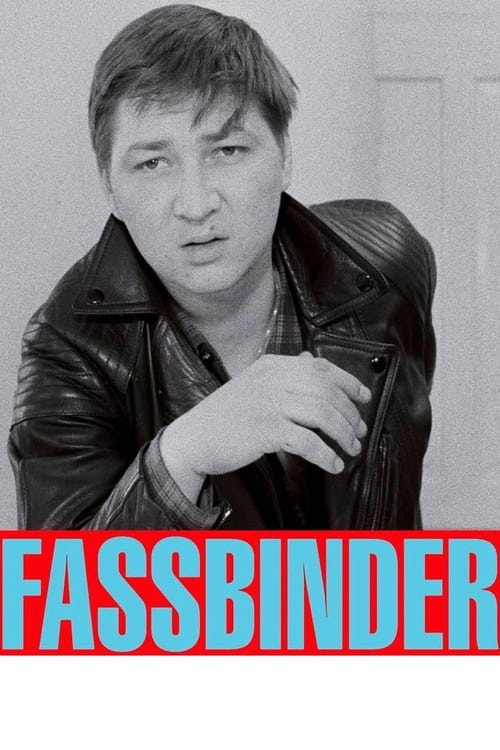
A film portrait of the influential Bavarian actor, director, and screenwriter who publicly confessed his homosexuality, which chronologically covers all the important stages from Action-Theater to the director's early death, supplemented with anecdotes.
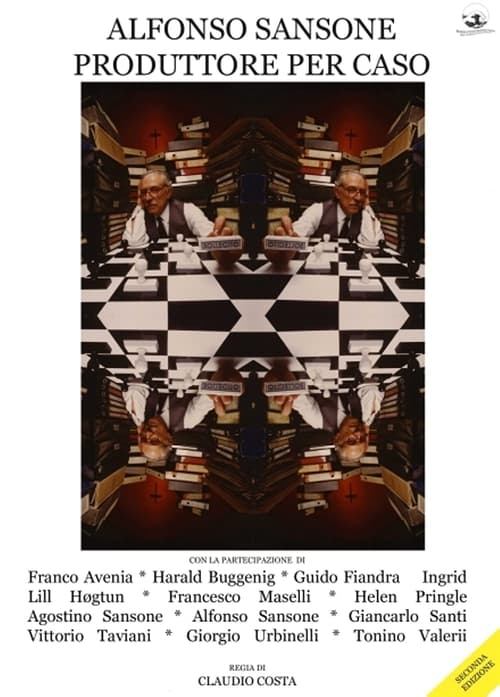
After the war, almost by chance, Alfonso Sansone started to produce documentary films and moved from Palermo to Rome, the city of film.

A documentary that focuses on the making of Rainer Werner Fassbinder's "The Marriage of Maria Braun".
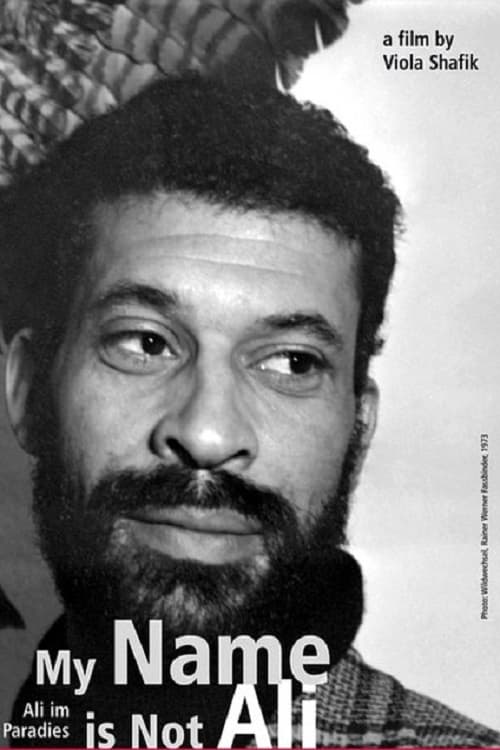
Travelling between Germany, France, and Tunisia, Viola Shafik reconstructs and deconstructs the unknown life story of El Hedi Ben Salem through interviews with his companions and family members as well as archival material. With openness and slight naivety, the interviewees explain how “Ali” became an oriental object of projection for the Fassbinder group, while El Hedi Ben Salem, the human being, was overlooked in order to establish the foreigner as “other.” A no-frills examination of a piece of German and Munich film history.
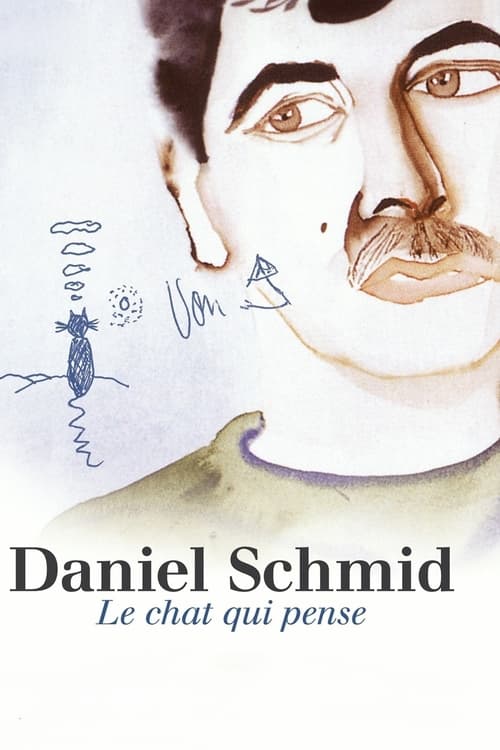
When director Daniel Schmid grew up, his parents ran a hotel in the Alps, and this singular setting was to influence his film. Rather by coincidence, he came to Berlin in the early 1960s and became part of the new German wave. Schmid worked with, among others, Wenders and Fassbinder, for example, as an actor in Wender’s The American Friend. He met Ingrid Caven, who was to play a diva in several of his films. This is a documentation of a part of modern European film history and a good analysis of artistry and how it corresponds to the individual behind the camera. A wealth of archival footage brings us close to many directors and actors in Schmid’s circle. If you’ve never seen a Daniel Schmid film, you are sure to want to after watching this portrait of his life.
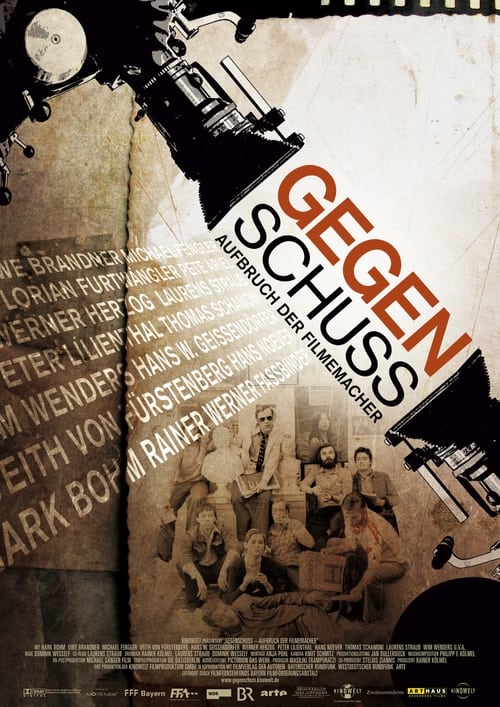
Documentary about filmmakers of the New German Cinema who were members of the legendary Filmverlag für Autoren (Film Publishing House for Authors). Among them are Werner Herzog, Rainer Werner Fassbinder, and Wim Wenders.
Subscribe for exclusive insights on movies, TV shows, and games! Get top picks, fascinating facts, in-depth analysis, and more delivered straight to your inbox.