
Action
Adventure
Animation
Comedy
Crime
Documentary
Drama
Family
Fantasy
History
Horror
Music
Mystery
Romance
Science Fiction
Thriller
War
Western

Aud Egede-Nissen was a Norwegian stage and screen actress, and producer. She made her acting debut on the Norwegian stage in 1911, appearing next in Norwegian director Bjørn Bjørnson's 1913 film "Scenens børn". She first moved to Denmark and later Bjørn Bjørnson invited her to Berlin, where there were opportunities in the rapidly expanding film industry.
Explore all movies appearances

Trysil-Knut is a Norwegian film from 1942. Directed by veteran Rasmus Breistein and is a ski themed melodrama about the legendary skier Trysil-Knut from Trysil. He is a powerful patriot, who in the early 1800s prevent that a war breaks out between Norway and Sweden using his skiing skills. While that goes on Knut is also preparing a court case of fraud to determine the ownership of his fathers old farm.
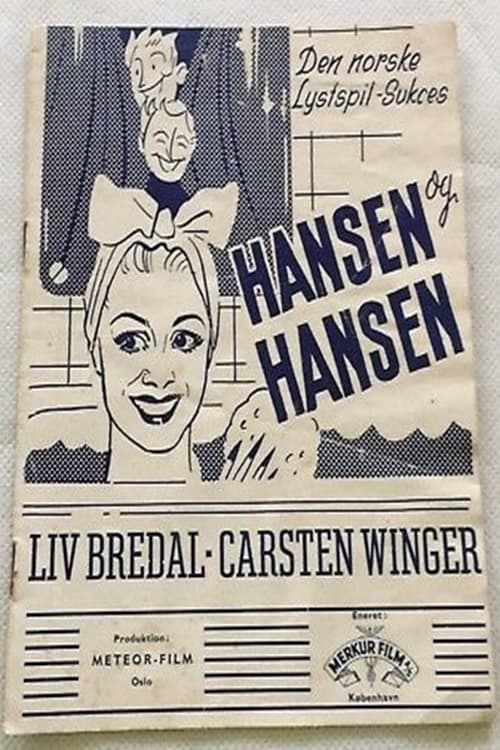
The young unknown Hansen stays at a pension, where they await a charmer with the same name. When the other Hansen escapes, the police arrest the wrong man.
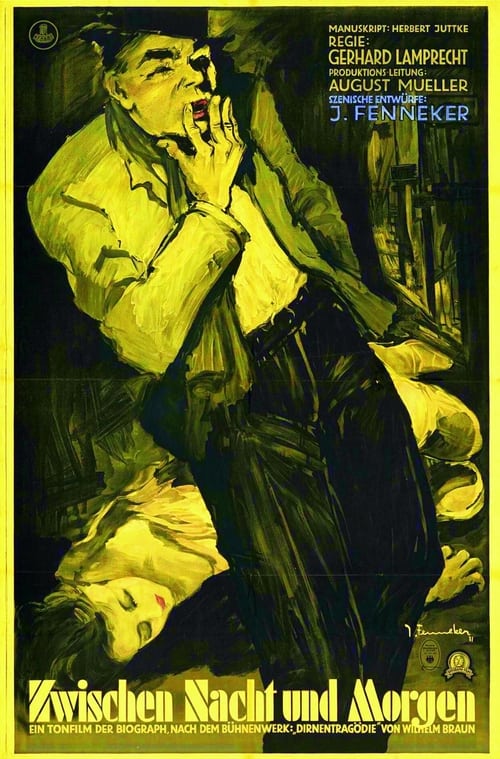
An aging prostitute develops a motherly affection for a kind young man, but her pimp does not approve.
No plot available for this movie.
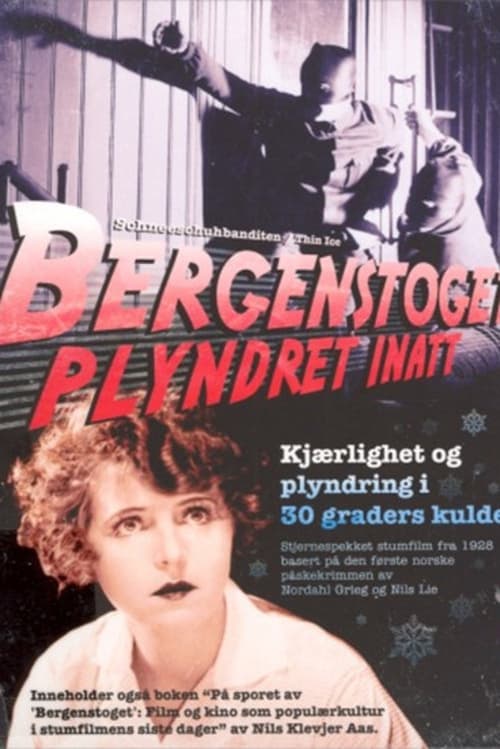
The film tells the story of an ambitious young man, Tom, who loves Grete, daughter of the manager of the national railroads; but Grete's father prefers Lund, an upright and uptight army officer. To prove his worth, Tom organizes a daring robbery of the nightly Bergen Express in the hopes of outwitting his rival, who's been assigned to track down the thieves.

Silent film social drama
No plot available for this movie.
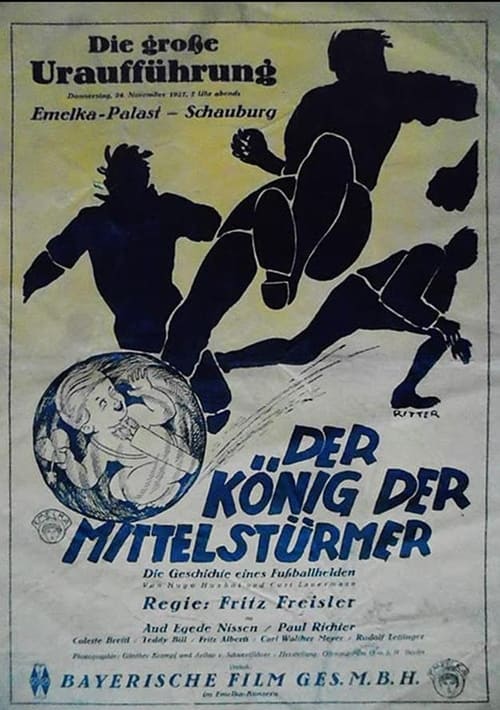
König der Mittelstürmer / King of the Centre Forwards refers with the name of its hero to the German soccer legend of the twenties: Tull Harder, star of the Hamburger Sport Verein (HSV). But the story itself is completely fictitious: The son of a trade company's director falls in love with the daughter of a big American oil magnat. But she suspects him to be only interested in her money. So she buys his father's company to take revenge on him. The son's true love is soccer, and from the very first moment the soccer fever is present throughout the film. It starts with pictures of a soccer game and even an apple or a crumpled up paper must serve as substitute for a ball. Whereas Die elf Teufel promotes soccer as "the sport of the century", König der Mittelstürmer shows the hero's father who still has to be convinced from its importance. He hates soccer and blames everybody to be "soccer crazy".
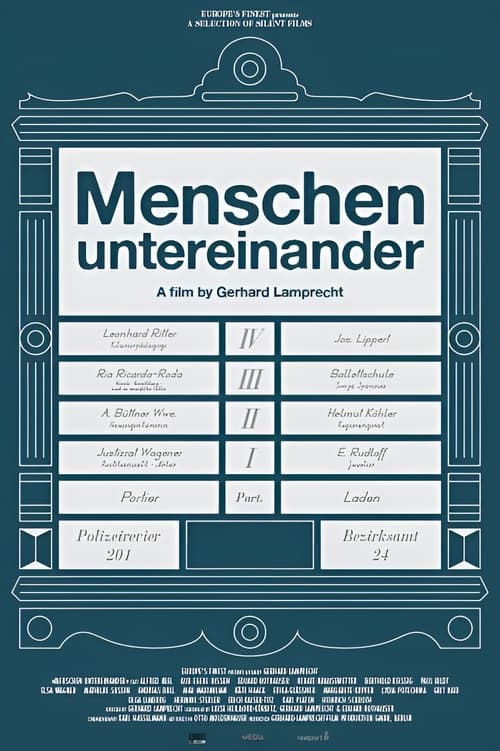
Gerhard Lamprecht sketches a cross-section of Germany's new post-war society, with its winners, social climbers, and losers, represented by the social microcosm of an apartment building. The gossip-mad Frau Mierig from the rear building gives the newly-arrived Frau Kaminski, the janitor's wife, a lively initiation into the tenants and their peculiarities.
No plot available for this movie.
Subscribe for exclusive insights on movies, TV shows, and games! Get top picks, fascinating facts, in-depth analysis, and more delivered straight to your inbox.