
Action
Adventure
Animation
Comedy
Crime
Documentary
Drama
Family
Fantasy
History
Horror
Music
Mystery
Romance
Science Fiction
Thriller
War
Western
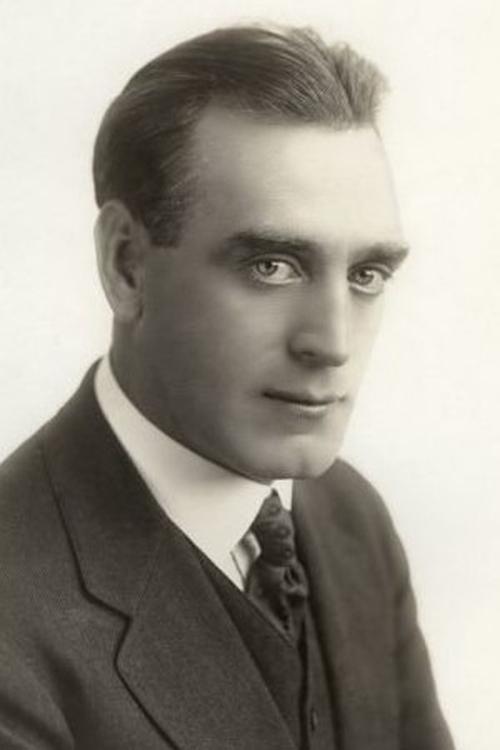
Alfred Paget (1880–1925) was an English silent film actor. He appeared in 239 films between 1908 and 1918. Paget was married to Leila Halstead. In the summer of 1919, he contracted a form of malarial fever, and died in Winnipeg on 8 October 1919.
Explore all movies appearances
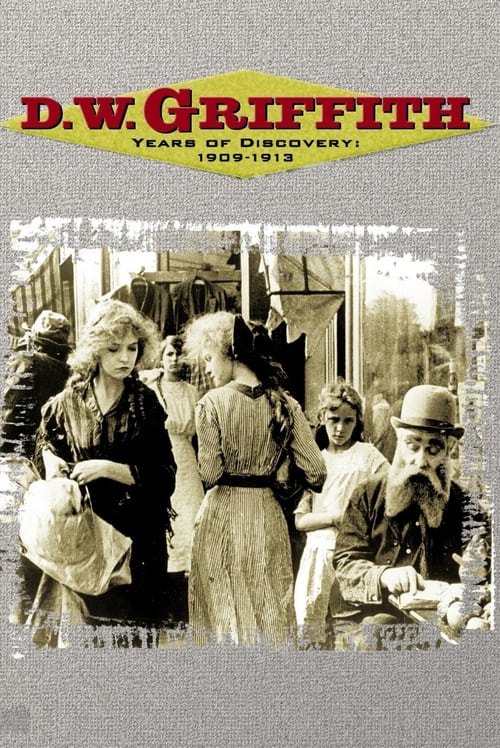
In the span of five years, pioneering director D.W. Griffith delivered some 450 films for the Biograph Company at a rate of two or three films per week. One and two reels in length, these works showed the filmmaker inventing, borrowing, and perfecting techniques he later used to memorable effect in "The Birth of a Nation," "Intolerance," "Way Down East" and "Orphans of the Storm." Including Lillian and Dorothy Gish, Mary Pickford, Mack Sennett, Lionel Barrymore, Henry Walthall, and Mae Marsh. Among the 22 titles included on this landmark release are such widely recognized masterworks as "The Musketeers of Pig Alley," "The Battle at Elderbush Gulch," "The New York Hat," and "A Corner in Wheat."

After the relatively low box office takings of 'Intolerance', D. W. Griffith would revisit his epic film three years later by releasing two of the film's interlocking stories as standalone features, with some new additional footage. The first of the two was 'The Fall of Babylon', which depicts the conflict between Prince Belshazzar of Babylon and Cyrus the Great of Persia.
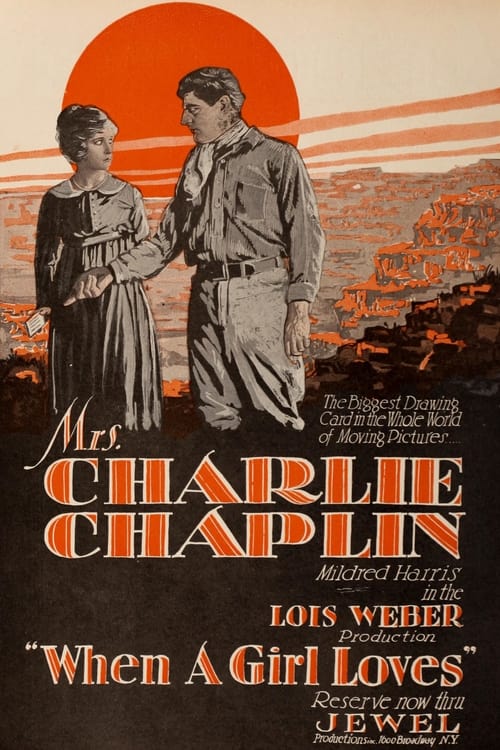
A minister and his young daughter Bess, journey west where he hopes to regain his health. They become involved with notorious outlaw 'Eagle' Ryan. The outlaw becomes influenced by the power of religion along with Bess's gentle persuasion, he is reformed from his life of crime and forgiven by all the townspeople.
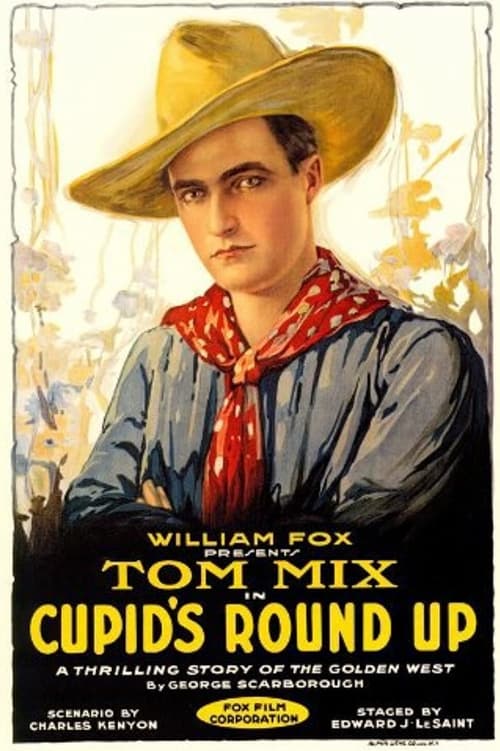
The film's highlight was a scene in which Mix, hoping to escape a pursuing posse, jumps towards a moving train and crashes neatly through one of the passenger windows.

On a boat to San Francisco, Nellie Proctor is nearly caught stealing a man's wallet, but because she slips it into James Blair's pocket, he is arrested for the crime and sentenced to two years on the chain gang. Nellie, ashamed at having sent an innocent man to prison, convinces her friend Milligan to help James escape, after which all three go to an Alaskan mining town to begin new lives. While James prospects for gold, Nellie and Milligan find work in a local saloon, and Nellie takes charge of four orphaned children. Warren McKenzie, the saloon owner, is also the sheriff, and when he discovers James' identity, he threatens to turn the young man over to the law unless Nellie visits him in his cabin. To save James, with whom she has fallen in love, from a second prison term, Nellie consents, but James and the children come to her rescue.
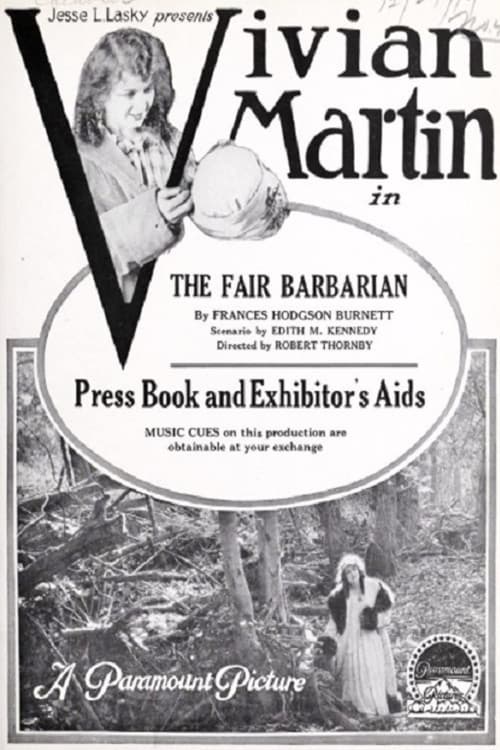
An Englishman who has made his fortune in America decides to return to England.

In Bagdad, Princess Badr al-Budur, the daughter of the Sultan, falls in love with Aladdin, the son of a poor tailor, and rejects the suit of evil alchemist al-Talib, her father's choice. Al-Talib consults his Evil Spirit, who advises him to find the magic lamp hidden in an underground cave. Unable to get it himself, al-Talib hires Aladdin, who secures the lamp but keeps it when he realizes al-Talib's wickedness. With wealth obtained through wishes, Aladdin courts the princess. After the lamp changes hands between al-Talib and Aladdin, al-Talib steals it and abducts the princess to the desert. Aladdin follows with only a gourd of water. Suffering from thirst and exhaustion, Aladdin nearly succumbs, but the horsemen of the Sultan, who learned of his daughter's abduction, ride up and rescue Aladdin.

Stella Benton, a young society girl who has lost her beautiful voice through the death of her father, goes to live with her brother Charles, in the lumber camp. Charles Benton is having a struggle to make both ends meet, and when his cook quits, he makes his sister do the work for the hundred men in the lumber camp. Jack Fyfe, a neighboring lumber man, meets Stella and gradually falls in love with her, but love is not reciprocated. Seeing that she is being overworked, Fyfe offers to marry her, in spite of the fact that she does not love him. A child is born of this loveless marriage, and the couple are reasonably happy, until Walter Monahan, a wealthy lumberman, begins to make love to Stella.
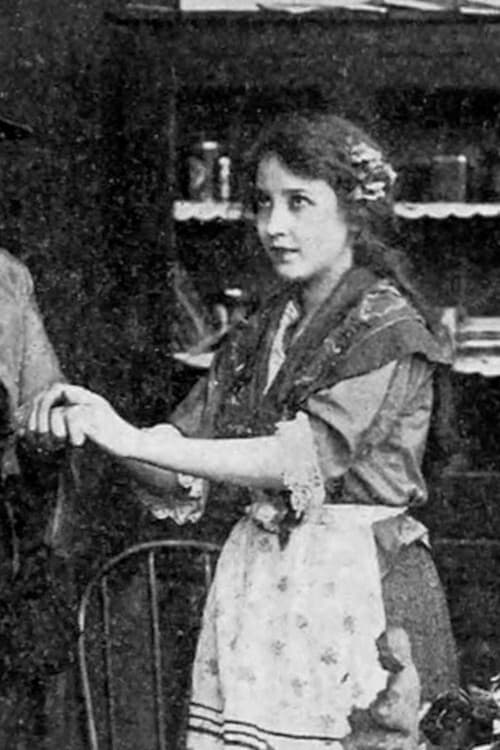
Nina, a blind girl, lives with her grandmother, who has taught her to make artificial flowers, which she sells at a flower-stand. Nina, and Jimmie, a crippled newsboy who sells papers on the same corner, are sweethearts. Nina's grandmother dies, and she turns to Jimmie. One day Jimmie has a fight with another newsboy, whom he thinks is hanging about Nina's stand too much, and the other boy is soon begging for mercy. Miss Fifi Chandler, an artist, happens to be passing, and becoming interested, she accompanies Nina and Jimmie to their rooms, and is surprised to find that Jimmie is an artist, having made a beautiful plaster cast of Nina. Fifi brings Jimmie and his protégé to the notice of her fellow artist, Fred Townsend, who falls in love with Nina.
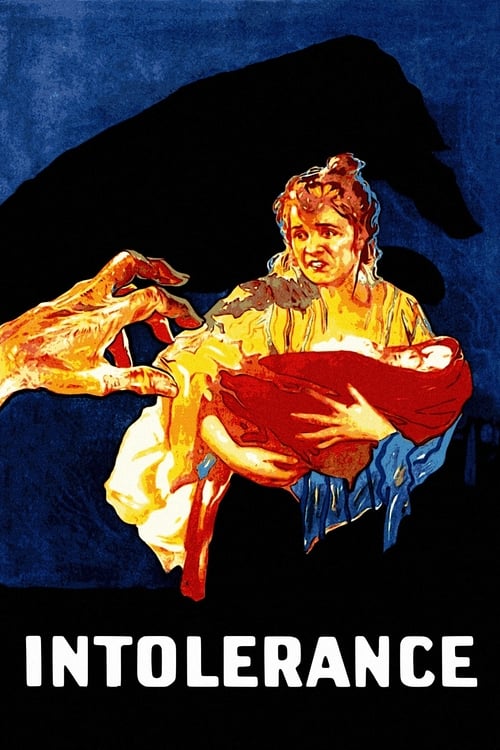
The story of a poor young woman, separated by prejudice from her husband and baby, is interwoven with tales of intolerance from throughout history.
Subscribe for exclusive insights on movies, TV shows, and games! Get top picks, fascinating facts, in-depth analysis, and more delivered straight to your inbox.